Who Are the Top Circular Formwork Manufacturers in China?
China’s construction sector is under growing pressure to use materials more efficiently. The United Nations Environment Programme and Global Alliance for Buildings and Construction reported that buildings and construction accounted for 32% of global energy demand and 34% of energy-related CO₂ emissions in 2023. These figures describe the wider sector, not formwork alone. Still, they show why reusable systems deserve closer scrutiny.
Circular formwork can help reduce waste when components are durable, repairable, and reused across projects. In practice, details matter: panel dimensions, release-agent compatibility, replacement parts, transport distance, and the number of successful pours. A product labeled “reusable” is not automatically circular. Buyers should ask for documented reuse cycles and clear maintenance guidance. Evidence can be uneven.
Architect and circular-design advocate William McDonough’s well-known principle, “Waste Equals Food,” offers a useful lens for assessing these systems. It is a broad design idea, not a claim specifically about formwork. This guide examines Chinese manufacturers through practical criteria, including system design, material choices, customization, production capability, and after-sales support. Company claims should be checked against technical documents and project references. The aim is not to crown a winner based on marketing language, but to help readers identify suppliers whose circular formwork can perform reliably on real job sites.
What Circular Formwork Is and How It Works
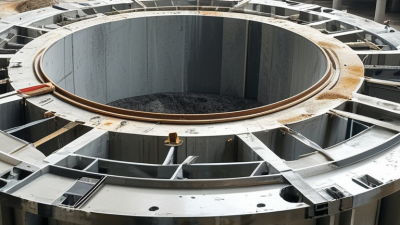
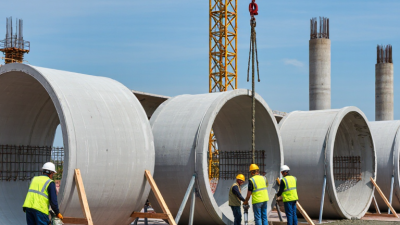
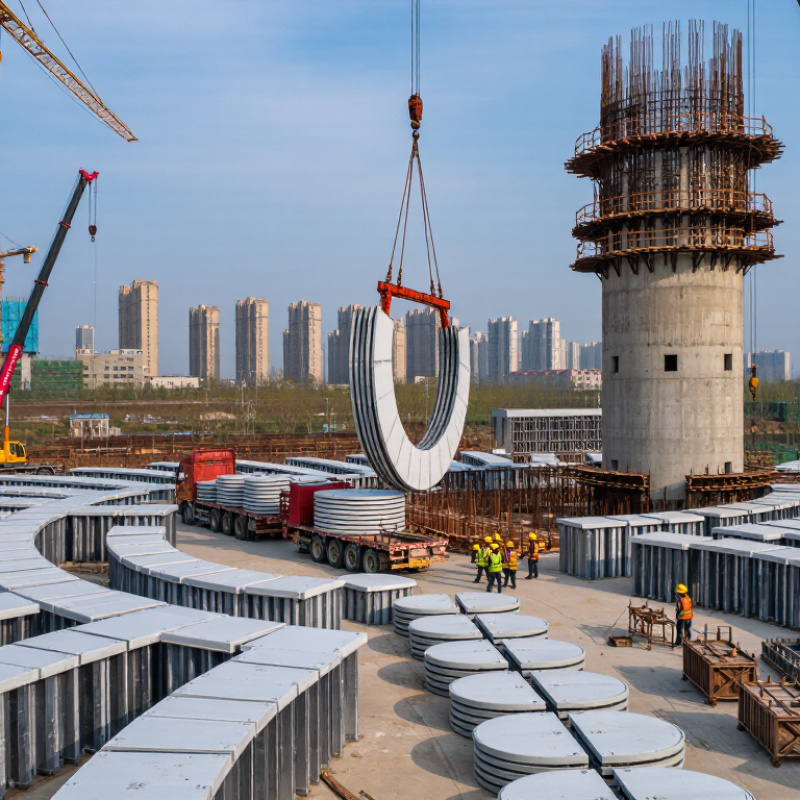
Circular formwork is a temporary mold for round columns, curved walls, tanks, and other concrete structures. It holds wet concrete in the required shape until the material gains enough strength to support itself. Unlike flat panels, curved sections must match the planned radius closely. Some systems use adjustable steel or aluminum panels; others use shaped plywood. That matters.
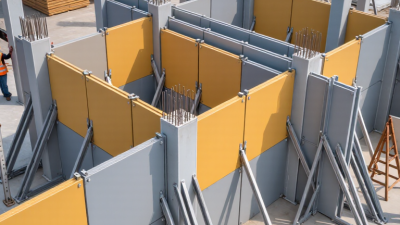
During a pour, fresh concrete presses outward against the form. Ties, clamps, and external braces resist that pressure and keep the panels aligned. Their spacing and strength must suit the pour height and concrete placement rate. A loose joint can leak cement paste, leaving rough seams or honeycombing. Even a small gap can show.
Setup begins with checking the radius, base level, and panel connections. Crews then position reinforcement, close the form, and inspect ties and bracing before pouring. Concrete is placed in controlled lifts to limit pressure and reduce trapped air. The exact method depends on the structure and the formwork design. The fit is rarely perfect on the first dry assembly. Minor adjustments are normal, but rushing them can create visible defects. After curing, workers release the clamps and remove the panels carefully, readying reusable sections for another placement.
Who Are the Top Circular Formwork Manufacturers in China? — What Circular Formwork Is and How It Works
| Comparison Dimension | What to Look For | How Circular Formwork Works | Practical Application or Check |
|---|---|---|---|
| System type | Adjustable steel panels, curved steel panels, or custom-made formwork | Panels are assembled into a circular or curved mold that contains fresh concrete until it gains sufficient strength. | Match the system to the required radius, wall height, project repetition, and site access. |
| Radius and diameter | Available adjustment range and the method used to set the required curvature | The panel arrangement or custom geometry establishes the curve; the specified radius determines the final circular shape. | Confirm whether the design gives the inside radius, outside radius, or diameter, and check tolerances against the project drawings. |
| Form-facing material | Steel, plywood, or another facing suited to the required finish and reuse plan | The form-facing surface contacts the concrete and defines its visible surface after stripping. | Check surface condition, joint alignment, cleaning requirements, and compatibility with the specified release agent. |
| Structural frame and ties | Stiffeners, walers, clamps, ties, and connectors designed for the intended pour | The supporting components hold panels in position and resist the pressure exerted by fresh concrete. | Use the supplier’s design information and the project engineer’s requirements to verify the formwork layout and connections. |
| Assembly and adjustment | Clear assembly instructions, compatible components, and practical adjustment details | Workers position and connect panels, align the curve, brace the assembly, and check its dimensions before placing concrete. | Review access for installation, alignment checks, concrete placement, and safe removal. |
| Concrete placement | Formwork designed for the specified concrete, placement sequence, and project conditions | Fresh concrete is placed inside the closed form. Placement rate and concrete behavior affect pressure on the formwork. | Follow the approved pour plan and the formwork design; do not assume one pressure limit applies to every project. |
| Stripping and reuse | Safe release details, accessible connections, and maintainable components | After the concrete has reached the strength required by the project, the formwork is released, removed, cleaned, and prepared for another use where applicable. | Follow the engineer’s stripping requirements and inspect panels and connections before reuse. |
| Supplier evaluation | Documented drawings, technical support, component compatibility, quality controls, and delivery capability | A manufacturer supplies the formwork system and relevant technical information; the project team verifies that the proposed system fits the design. | Compare quotations against the same radius, height, finish, loading, accessory, and delivery requirements rather than price alone. |
Note: Circular formwork specifications and allowable loads depend on the system design, concrete mix, pour sequence, and site conditions. Confirm project-specific dimensions and engineering requirements with the formwork supplier and the responsible project engineer.