Choosing the right circular column formwork supplier is not a simple comparison of prices and catalog photographs. It requires practical judgment, technical knowledge, and evidence from real construction sites. Around the world, suppliers offer steel, aluminum, plastic, and engineered composite systems. Each option behaves differently under pressure, weather, transport, and repeated use.
Peter H. Emmons, a respected formwork engineer and author, expresses a core principle: “Formwork is temporary, but it must be designed with permanent-structure discipline.” This warning matters when evaluating circular column formwork. A smooth concrete finish begins with accurate panel geometry, reliable joints, and sufficient resistance to fresh-concrete pressure. Small alignment errors can create visible seams around a column. Weak clamps can become expensive delays.
The strongest suppliers usually provide more than equipment. They offer load data, assembly drawings, project-specific advice, and responsive technical support. Their systems should also show consistent results across different column diameters and heights. Look for documented reuse cycles. Check the locking method. Ask how damaged panels are repaired.
Some rankings may favor large international brands. That does not automatically make them the best choice for every project. A regional supplier may provide faster replacement parts and better site support. Conversely, a low-cost system may appear attractive until labor, cleaning, and rework are counted.
This overview examines leading circular column formwork suppliers worldwide through performance, safety, adaptability, delivery capability, and customer experience. The assessment is not perfectly objective. Project conditions vary. Still, these criteria provide a practical starting point for contractors, engineers, and procurement teams seeking dependable results.
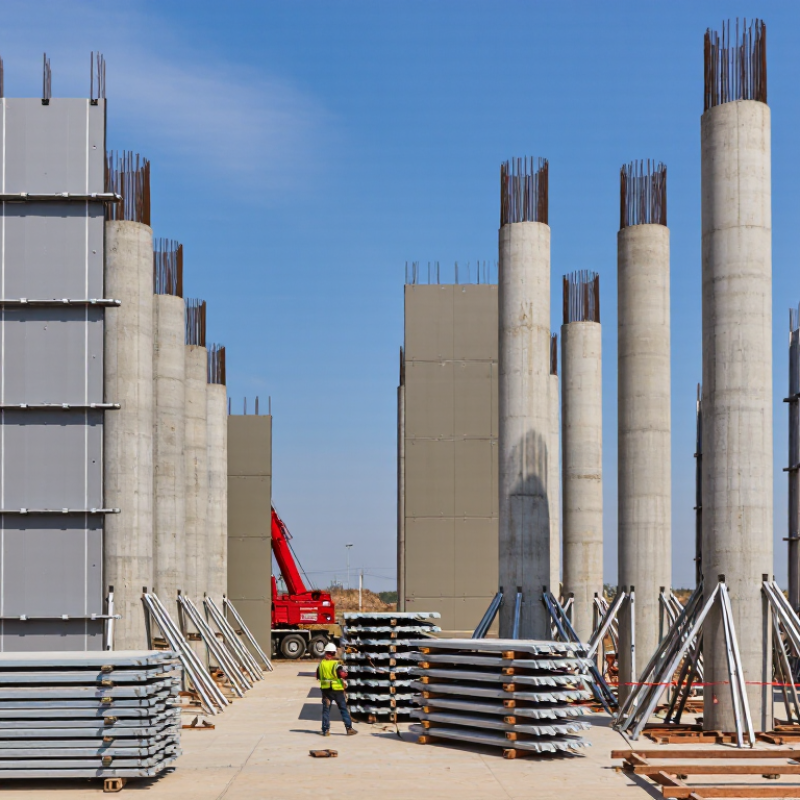
Circular column formwork is a temporary mould used to create round concrete columns.
It holds fresh concrete until the material gains enough strength to stand independently. Unlike rectangular systems, it produces a continuous curved surface with fewer visible corners and joints.
Most systems use steel, aluminium, plastic, or engineered composite panels. Their sections connect around a circular frame, often with adjustable clamps or locking devices. The correct diameter must match the structural drawing, not a rough site measurement. Even a small mismatch can create uneven pressure, leakage, or a distorted column. Experienced crews check the form’s roundness, vertical alignment, and base sealing before pouring. Concrete placement should remain controlled. A fast pour can overload the lower section.
Tips: Clean the contact surface after every use. Apply release agent evenly, but avoid excessive coating. Check clamps before each lift. Use a plumb laser or spirit level during installation. Record the column diameter and pour height. These simple records help identify repeated problems. They also expose a practical weakness: reusable formwork is efficient only when maintenance is consistent. Damaged edges, missing connectors, and poor storage can reduce accuracy quickly. A supplier should provide clear load data, assembly instructions, and technical support based on real site conditions. Safety planning remains essential, especially around lifting, access platforms, and fresh concrete pressure.
Leading circular column formwork suppliers compete on more than panel shape. Their strongest systems combine engineered steel or aluminum frames, adjustable diameters, and verified load tables. Site teams need clean tolerances around rebar cages and predictable stripping times. According to Grand View Research, the global formwork market was valued at approximately USD 7 billion in 2023, with reusable systems supporting long-term demand. That figure matters because reuse changes the cost calculation. A supplier should document expected cycle counts, panel deflection, concrete pressure limits, and repair procedures. Independent testing reports are valuable. They reduce guesswork when columns rise beside active work zones.
Leading suppliers also provide practical field support. Detailed assembly drawings, lifting points, training, and rapid replacement parts can prevent a half-day delay from becoming a week. The International Labour Organization reports that construction remains one of the most hazardous employment sectors worldwide, so guarded platforms, secure access, and clear handling instructions deserve equal attention. Digital modeling is another useful feature. BIM-ready files help contractors check clashes before panels arrive. However, glossy software cannot replace an experienced site engineer. No supplier gets every project decision right. I would question any brochure promising universal compatibility. A reliable evaluation compares total rental or purchase cost, transport dimensions, labor hours, cleaning needs, and local technical response. Research from Dodge Construction Network shows continuing pressure for schedule certainty, but speed alone is a weak measure. The best supplier proves performance with references, inspection records, and transparent limitations.
Circular column formwork systems differ in strength, reuse, adjustment, and installation speed. Steel systems provide high stiffness for large columns, bridges, and repeated construction cycles. Their smooth panels can produce consistent concrete surfaces, but cranes may be necessary on demanding sites. Aluminum systems are lighter and easier to reposition manually. They suit projects where access is limited and column dimensions remain fairly consistent.
Plastic systems resist moisture, cleaning chemicals, and rough storage conditions. They are useful for smaller columns and projects needing quick assembly. Some designs use interlocking sections, reducing the need for complex tools. Cardboard systems are lightweight and often economical for single-use columns. They work well for interior frames, but rain, impact, and poor storage can weaken them. That limitation is easy to underestimate.
Adjustable modular systems offer another practical option. Crews can change the diameter with clamps, panels, or interchangeable inserts. This flexibility helps when a project includes several column sizes. Stay-in-place systems remain around the concrete and may support insulation, fire protection, or architectural finishes. Selection should consider column diameter, pour pressure, concrete slump, lifting access, cleaning time, and expected reuse. Supplier reliability also matters: check load data, connection tolerances, technical drawings, and on-site support. In practice, a cheaper system can cost more when alignment takes longer. I have found that installation trials reveal problems that brochures rarely mention. Measure twice. Test the release process.
Choosing circular column formwork internationally requires more than comparing catalog prices. On-site experience exposes weaknesses quickly. A panel may look precise, yet loosen after repeated pours. Ask suppliers for material grades, thickness tolerances, allowable pressure, and reuse data. Request drawings showing dimensions, connection details, and compatible accessories. Technical answers should come from qualified engineers, not only sales staff. Independent test reports and traceable quality records strengthen confidence. However, documents can be incomplete. That is worth admitting.
Evaluate manufacturing controls through a live video inspection or an appointed factory audit. Check welding, surface treatment, packing, and dimensional checks. Ask for a sample unit before placing a large order. Measure its roundness and joint alignment at your own site. International reliability also depends on communication. Confirm response times, spare-part procedures, export packaging, and realistic production dates. Clarify which party handles customs documents and damage claims. Verify references from projects with similar column diameters and concrete pressures. A low quotation can hide redesign, storage, or delayed replacement costs. I once treated delivery time as a minor detail; that assumption proved expensive. Supplier evaluation should remain evidence-based, but practical judgment still matters.
Circular column formwork serves bridges, stadiums, silos, water tanks, and high-rise structures. Each application demands different pressure resistance and surface control. A 600-millimeter column is not procured like a three-meter pier. Diameter, height, pour rate, concrete temperature, and crane access must be checked together. Small details matter.
Standards should guide the selection, not decorate the tender document. Request load calculations, material certificates, dimensional tolerances, and inspection records. Project teams may reference regional concrete and temporary-works standards, including ACI guidance or relevant EN requirements. Requirements differ by country and contract. Ask the supplier to confirm compliance with local engineering rules. Never accept a generic certificate without checking its scope.
Procurement should examine more than the purchase price. Compare panel weight, joint sealing, adjustment range, stripping time, cleaning effort, and expected reuse cycles. A practical trial assembly can reveal awkward handles, uneven seams, or difficult crane lifts. It is worth measuring the finished column, not only reviewing drawings. Catalog photographs can mislead. One weakness remains common: suppliers sometimes provide excellent hardware but slow technical responses. Clarify delivery schedules, spare-part availability, training, warranty limits, and on-site support before ordering. A lower initial cost may become expensive when every pour needs manual correction.