2026 Best Cardboard Column Formwork Manufacturers?
Choosing the best cardboard column formwork manufacturer in 2026 requires more than comparing catalog prices. A reliable supplier must combine precise engineering, consistent paper quality, and practical support on active construction sites. This guide examines manufacturers through measurable factors, including spiral winding accuracy, load performance, moisture resistance, release quality, and delivery reliability. It also considers custom diameters, recyclable materials, regional standards, and documented quality controls.
Small details matter. A tube that arrives slightly oval can create alignment problems, visible concrete marks, and costly rework. Likewise, weak end protection may damage otherwise sound cardboard column formwork during transport. The 2026 market is changing as contractors seek faster installation, lower waste, and safer handling. Manufacturers are responding with lighter cores, improved coatings, and clearer technical documentation. Yet product claims should not be accepted without evidence. Independent test reports, sample inspections, factory audits, and references from comparable projects offer stronger confidence. This review focuses on suppliers that can explain their processes, support site teams, and maintain stable performance across repeated orders. It does not treat global brand visibility as proof of quality. No shortlist is perfect. Some information changes quickly, and regional availability may affect the final choice. Readers should verify current certifications, lead times, warranty terms, and project suitability before signing a purchase agreement. That caution is not hesitation; it is responsible sourcing.
What Is Cardboard Column Formwork and How Does It Work?
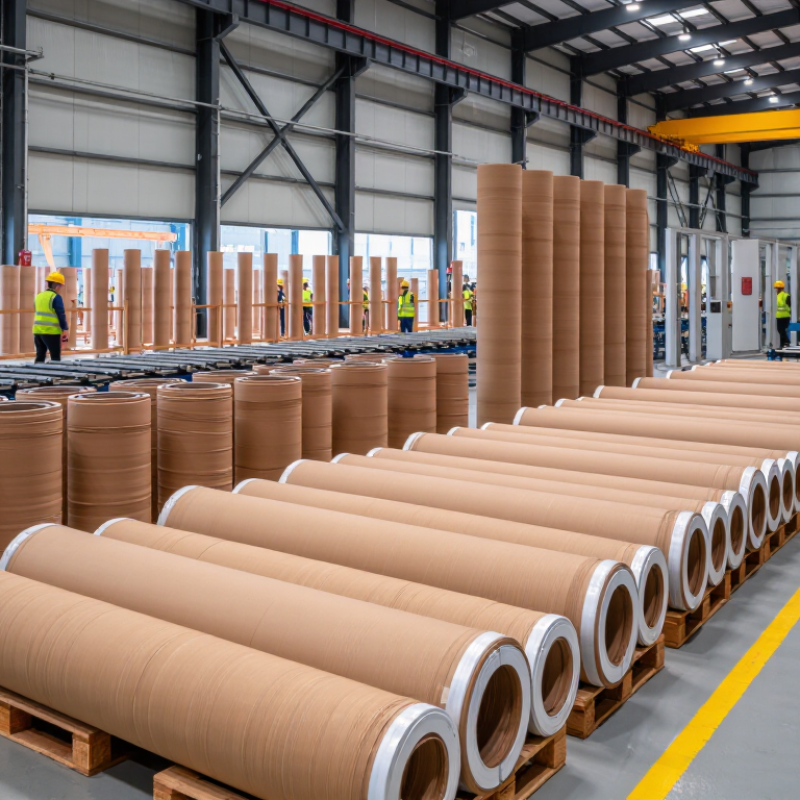
Cardboard column formwork is a lightweight tube used to shape poured concrete columns. It is usually made from spiral-wound paper layers with a moisture-resistant coating. Workers place the tube around the reinforcement cage before pouring concrete. The form holds the wet mix in a round, clean cavity. After curing, the tube is often peeled away, revealing a smooth column surface.
The process depends on accurate positioning and steady support.
Crews check the tube’s diameter, height, vertical alignment, and base seal. Concrete is poured in controlled lifts, then vibrated carefully to reduce air pockets. Excessive vibration can damage the form or cause leakage. Moisture, rain, and rough handling can weaken exposed cardboard. The method looks simple. It is not foolproof. A rushed installation may produce bulges, uneven edges, or a slightly leaning column. Engineers should confirm the form’s pressure rating and the concrete design before use.
Tips:
Store tubes above the ground and protect them from rain. Mark the column center on the slab before installation. Use temporary braces during pouring. Inspect the surface immediately after stripping. Small defects may be repairable, but deeper voids require professional assessment. Choosing a form based only on price can be a costly mistake. Diameter accuracy, wall strength, coating quality, and installation guidance deserve equal attention.
Main Types and Construction Applications of Cardboard Column Formwork
Cardboard column formwork is mainly available in round, square, and rectangular profiles. Spiral-wound tubes are common for circular concrete columns. They are lightweight, easy to cut, and simple to remove after curing. Square forms suit structural grids that require flat faces. Custom profiles can create tapered, fluted, or decorative columns, but they need more careful detailing. Small differences matter.
In cast-in-place construction, round cardboard forms are used for building columns, entrance supports, garden structures, and temporary posts. Larger tubes can form bridge piers or vertical supports when engineers specify suitable strength and bracing. The form should stand on a level base, remain plumb, and resist concrete pressure during placement. External clamps, timber braces, and controlled pouring help prevent bulging. A smooth inner liner can improve the finished surface.
Moisture is a practical concern. Store tubes above damp floors and protect them from rain before installation. During pouring, workers should avoid dropping concrete from excessive heights. Vibration must be controlled, because over-vibration may damage weaker form walls. Site experience shows that rushed alignment causes more defects than the material itself. Even a well-designed tube can fail when the base is uneven or bracing is incomplete. Engineers should confirm dimensions, concrete pressure, curing conditions, and removal timing for each project. Some forms remove cleanly; others leave minor surface marks that require patching.
Top Cardboard Column Formwork Manufacturers to Consider in 2026
Top Cardboard Column Formwork Manufacturers to Consider in 2026
Choosing cardboard column formwork manufacturers in 2026 requires more than comparing prices. Site experience shows that paper tube strength varies with moisture, storage, and concrete pressure. Reliable manufacturers should provide tested load data, clear dimensions, and traceable production records. Their technical teams should also explain safe pouring rates instead of offering vague promises.
Look for manufacturers using consistent recycled paper layers, strong spiral winding, and moisture-resistant outer coatings. Quality control should cover tube diameter, wall thickness, straightness, and cutting accuracy. Ask whether custom column sizes are available. Confirm delivery schedules, packaging methods, and replacement procedures before placing an order. Small details matter.
On active projects, easy stripping can reduce labor and surface repairs. However, not every cardboard system performs equally in humid conditions. I would request samples and conduct a small site trial before approving large quantities. That step may feel slow, but it can expose weak edges, uneven interiors, or poor storage performance. Manufacturers with practical installation guidance, responsive support, and documented testing deserve closer consideration. Still, specifications should be checked against the project engineer’s design, because a convenient product is not automatically a suitable one.
Pricing, Sustainability, and Purchasing Considerations for 2026
2026 Best Cardboard Column Formwork Manufacturers?
Pricing depends on diameter, height, wall thickness, and order volume. A standard 3-meter column tube may cost less than a custom, moisture-resistant model. Freight also matters. Cardboard formwork is light, but long tubes need careful stacking. Ask manufacturers for itemized quotations. Include connectors, release agents, cutting tools, and delivery charges. Cheap units can become expensive when installation takes longer.
Sustainability needs practical checking. Most cardboard tubes use renewable paper fibers, but coatings and adhesives may affect recycling. Request recycled-content data, disposal guidance, and manufacturing certifications. A credible supplier should explain sourcing and factory quality controls. Ask for compression strength, dimensional tolerance, and test results. Site experience matters. Damp storage can weaken even well-made tubes. I have seen purchasing teams overlook this risk. That mistake is avoidable, but not always.
Tips: Compare three written quotations. Order samples first. Test one tube on site. Check the inner surface after stripping. Confirm lead time before pouring. Choose a manufacturer that provides clear technical support, not just attractive pricing. Reuse may sound sustainable, yet most cardboard forms are designed for single use. Calculate waste honestly. Also, inspect packaging damage when the shipment arrives. Photographs help resolve disputes.
2026 Best Cardboard Column Formwork Manufacturers: Pricing, Sustainability, and Purchasing Considerations
The chart shows the EU’s official paper and cardboard packaging recycling targets, which provide a useful sustainability benchmark when evaluating cardboard column formwork suppliers in 2026. Buyers should also compare landed price, reusable or recyclable material content, transport volume, column dimensions, demoulding performance, fire and moisture resistance, delivery lead time, technical support, and documented environmental certifications. These figures are regulatory benchmarks rather than manufacturer-specific claims.
Source: European Union packaging recycling targets under Directive 94/62/EC and the Packaging and Packaging Waste Regulation framework.