China Top Concrete Formwork Manufacturers and Suppliers
China is a major source of concrete formwork for construction projects ranging from housing to bridges. Its manufacturers offer systems made from steel, aluminum, timber, and engineered panels. These options differ in weight, reuse potential, setup time, and maintenance needs. The right choice depends on the project, not just the catalogue. A panel that looks efficient in a factory may be less practical on a crowded site.
This guide introduces China’s concrete formwork manufacturers and suppliers, with attention to product range, customization, quality controls, and export support. Buyers should ask for clear specifications, including panel dimensions, material grades, connection details, and stated load capacities. Test reports and references from comparable projects can help verify claims. So can a careful review of drawings and sample components. Small details matter. A misaligned tie hole or unclear installation guide can slow a crew and create avoidable rework.
Price still matters, of course. But the lowest quotation may not reflect replacement parts, freight, training, or after-sales response. Compare suppliers using the same project requirements, and confirm what each offer includes. Factory visits can provide useful context, though they cannot guarantee performance on site. There is no perfect checklist. Construction schedules change, and even well-reviewed systems may require adjustment. The aim is to make a sound, documented choice—not to assume that one supplier fits every project.
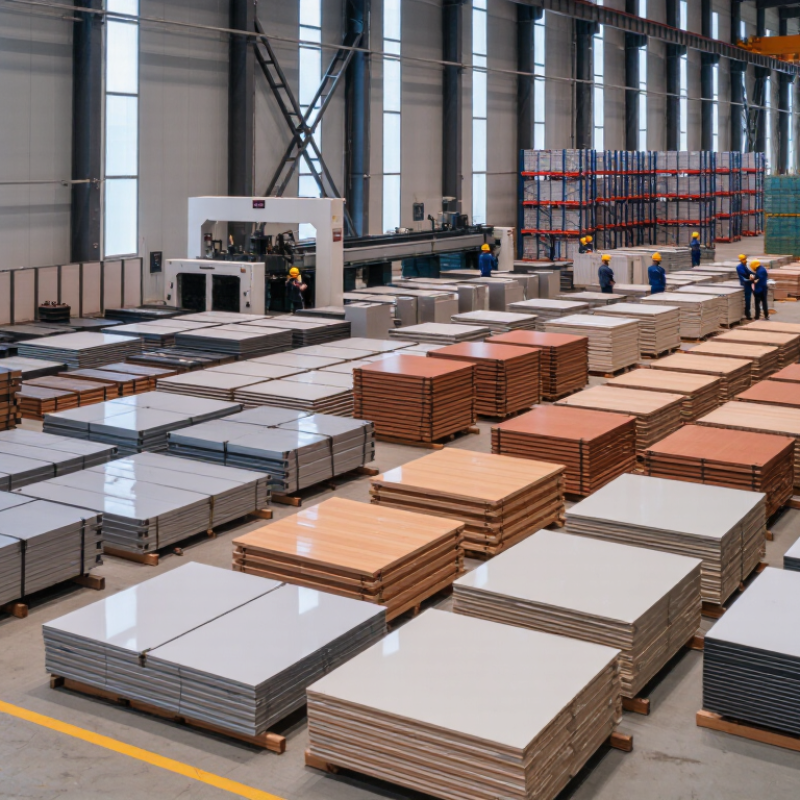
Concrete Formwork Systems Used Across China’s Construction Sector
Concrete formwork systems support walls, columns, slabs, cores, and foundations across China’s construction sector. Their choice depends on pour height, concrete pressure, site access, and the planned reuse cycle. Timber panels can suit irregular details, while steel and aluminum systems offer repeatable dimensions on larger projects. Selection is rarely one-size-fits-all. A tight site may favor lighter panels; a high-rise core may need carefully coordinated climbing formwork.
The National Bureau of Statistics reported that construction enterprises with general and professional contracting qualifications produced 31.59 trillion yuan in construction output in 2023, up 5.8% year on year. This figure describes the sector, not formwork sales, but it indicates the scale of work these systems serve. On site, reliable ties, bracing, and clean joints matter as much as panel material. A small alignment error can leave a visible seam or require extra finishing. Drawings help, but field conditions still change.
Tips: Check the supplier’s load calculations, panel tolerances, and reuse guidance against the actual pour sequence. Confirm that crews can handle the panels safely. Fit matters. And even a well-designed system needs inspection before each pour.
China Top Concrete Formwork Manufacturers and Suppliers - Concrete Formwork Systems Used Across China’s Construction Sector
| Formwork System | Common Materials | Typical Applications | How the System Works | Key Planning Considerations |
|---|---|---|---|---|
| Timber and Plywood Formwork | Timber framing with plywood or film-faced plywood panels | Building columns, beams, slabs, walls, foundations, and projects with varied shapes | Panels are cut and assembled on site, then supported with studs, walers, props, and ties as required. | Flexible for custom dimensions, but cutting, assembly, surface quality, and material reuse depend on workmanship and site conditions. |
| Steel Panel Formwork | Reusable steel panels, frames, clamps, ties, and supporting members | Walls, columns, foundations, retaining structures, and repetitive concrete elements | Factory-made panels are connected into form faces and braced to resist fresh-concrete pressure. | Durable and dimensionally stable; lifting access, panel weight, corrosion protection, and cleaning should be considered. |
| Aluminum Formwork | Lightweight aluminum alloy panels and connecting accessories | Repetitive residential building layouts, including walls, slabs, columns, and stair cores | Standardized panels are assembled into an integrated wall-and-slab formwork layout and reused between floors. | Works best where floor plans repeat; design coordination, accurate setting-out, and trained assembly crews are important. |
| Plastic Formwork | Reusable molded plastic panels and modular connectors | Small or medium-scale walls, columns, foundations, and other repetitive concrete elements | Lightweight modules are joined by hand and supported according to the formwork design. | Low panel weight can simplify handling; panel capacity, connection details, concrete pressure, and temperature limits must be checked. |
| Table or Flying Formwork | Large slab panels supported by beams, frames, or adjustable props | Repeated floor slabs in multi-storey buildings with suitable access for moving large units | Large slab-form units are stripped and relocated as assemblies to the next casting area or floor. | Efficient for repeated floor layouts; requires a planned lifting or shifting method, clear access, and coordinated slab cycles. |
| Climbing Formwork | Steel or timber-faced panels with brackets, platforms, and climbing mechanisms | Tall building cores, bridge pylons, shafts, and other high vertical structures | The formwork is raised in stages as concrete work progresses, using crane-assisted or self-climbing arrangements. | Requires engineered anchorage, wind and load checks, safe working platforms, and a coordinated lift sequence. |
| Tunnel Formwork | Large steel form units shaped to cast walls and slabs together | Repetitive cellular building layouts, such as projects with recurring room or apartment plans | Room-sized units form walls and slabs in a single cycle; units are stripped and moved for the next pour. | Best suited to regular layouts and repeatable construction sequences; design changes and non-standard spaces can reduce flexibility. |
| Slipform | Continuous form panels, jacks, yokes, and working platforms | Tall silos, chimneys, cores, towers, and other structures with continuous or near-continuous vertical profiles | The formwork moves upward gradually while concrete is placed and gains sufficient strength below the moving forms. | Needs continuous concrete supply, careful control of lifting speed, monitoring of geometry, and experienced supervision. |
System selection depends on structural design, repetition, concrete pressure, site access, labor, equipment, and the approved formwork design. Actual performance and reuse vary by project conditions and handling practices.
Related Posts
-
China Top 10 Concrete Formwork Manufacturers?
-
What Are the Top 10 Types of Concrete Formwork?
-
China Best Concrete Formwork Solutions for Global Buyers?
-
Top 10 Bulkhead Formwork Solutions for Global Buyers?
-
10 Best Circular Formwork Suppliers for Global Buyers?
-
How to Choose the Right Bracing Formwork System?