10 Best Circular Formwork Suppliers for Global Buyers?

Choosing among the 10 Best Circular Formwork Suppliers for Global Buyers requires more than comparing product prices. Circular formwork must maintain a consistent radius, resist fresh-concrete pressure, and remain stable during assembly. A small panel mismatch can create visible seams inside a water tank, column, or curved wall. That detail matters.

Peter H. Emmons, a respected formwork engineer and author, is associated with this practical warning: “Formwork is a temporary structure, not a temporary responsibility.” The sentence is brief. Its meaning is not. Reliable suppliers should provide load data, radius ranges, connection details, assembly guidance, and clear inspection procedures. They should also explain reuse cycles under real site conditions, not only laboratory figures.

This guide examines suppliers through an international buyer’s lens. It considers engineering support, material quality, delivery capability, documentation, customization, and after-sales service. Standards such as ACI 347 and EN 12812 can support technical comparisons, but certification alone cannot guarantee good performance. Site training, shipping damage, replacement parts, and regional support may decide the final result.

There is no perfect shortlist. A supplier may offer excellent steel panels but weak communication. Another may provide fast delivery but limited custom radii. Buyers should question both strengths and gaps. The best circular formwork partner is not always the cheapest option. It is the supplier that helps create a safe, accurate, and repeatable curved concrete structure.
10 Best Circular Formwork Suppliers for Global Buyers?

What Is Circular Formwork and Where Is It Used?

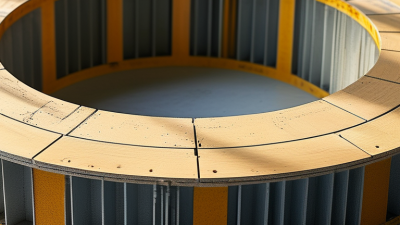
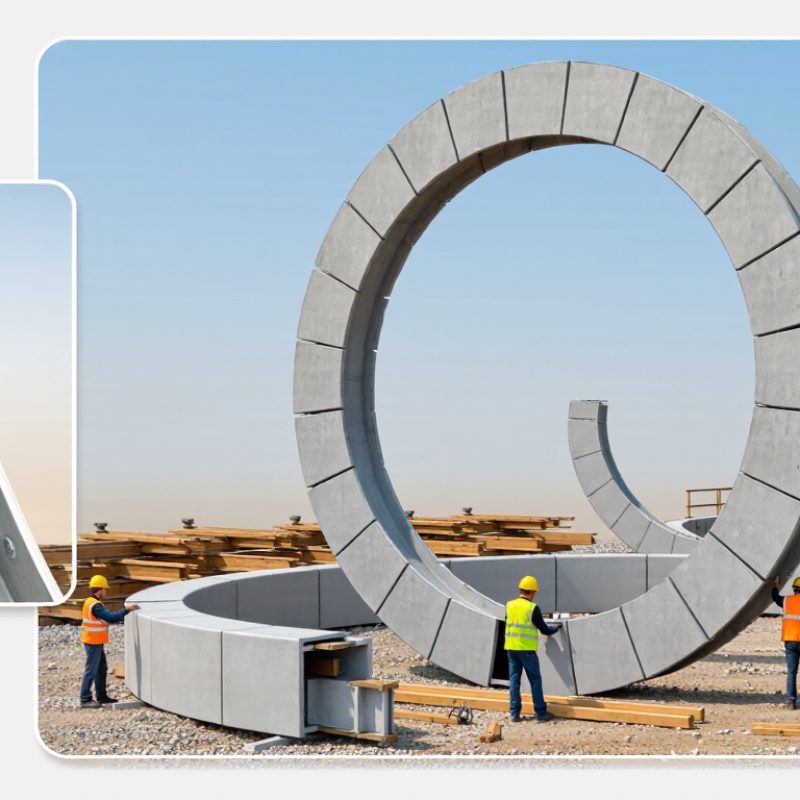
Circular formwork is a temporary mold system for casting round or curved concrete structures. It shapes wet concrete until the material gains enough strength to support itself.

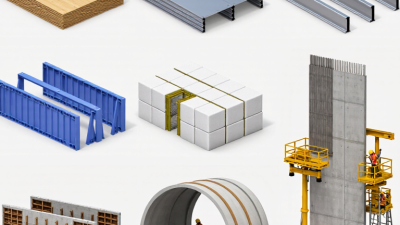
Common systems use steel, plywood, plastic, or adjustable panels. Some create smooth circular columns. Others form large tanks, silos, stair cores, and curved retaining walls. Adjustable designs can handle different diameters, which reduces custom fabrication and storage needs.

On a real site, the details matter. Workers must check the radius, panel joints, bracing, and release-agent coverage before pouring. A small gap can create grout leakage and a rough surface. Uneven tightening may also produce a distorted column. That problem is easy to underestimate.

Circular formwork suits bridges, water-treatment facilities, industrial buildings, and architectural concrete projects. It can improve repeatability when several identical columns are required. Reusable panels may also reduce material waste and installation time. However, reuse depends on careful cleaning and inspection. Damaged edges should not be ignored.

Global buyers should request load data, assembly drawings, tolerance information, and compatible accessories. Shipping dimensions deserve attention too. Oversized panels can increase freight costs unexpectedly. Suppliers should also explain stripping methods, maintenance needs, and technical support during installation.

The best choice depends on concrete pressure, structure diameter, surface requirements, labor skills, and project schedule. A low purchase price may not deliver the lowest installed cost. In practice, the first setup is rarely perfect. Trial assembly can reveal problems before concrete reaches the form.

How to Evaluate Circular Formwork Suppliers Worldwide

How to Evaluate Circular Formwork Suppliers Worldwide

A reliable evaluation begins with engineering evidence, not attractive catalogs. Request radius ranges, allowable concrete pressure, panel tolerances, tie spacing, and stripping procedures. The supplier should provide calculations aligned with recognized temporary-works and concrete-execution standards, such as EN 12812 and EN 13670. Ask for independent test records, inspection dates, and clear responsibility for design checks.

McKinsey Global Institute reported that construction productivity grew only about 1% annually over two decades. That gap makes installation speed and repeatability important purchasing measures.

Inspect the complete service chain. Compare steel or composite quality, adjustment accuracy, reuse cycles, replacement-part availability, packaging, and delivery performance. Require project references with similar wall radii, heights, temperatures, and pour rates. Technical training matters. So does emergency support across time zones.

The UNEP Global Status Report for Buildings and Construction 2023 stated that the sector consumed about 34% of global energy and produced 37% of energy- and process-related carbon emissions in 2022. Therefore, request material weights, repair policies, and documented reuse data, rather than accepting vague sustainability claims.

A polished certificate can still hide weak field control. No checklist is perfect. Buyers should record failed adjustments, damaged panels, and actual labor hours after each pour. Those uncomfortable details often reveal more than a sales presentation.

10 Best Circular Formwork Suppliers for Global Buyers

10 Best Circular Formwork Suppliers for Global Buyers

The ten strongest circular formwork suppliers usually differ in engineering depth, not appearance. Engineering-led manufacturers offer radius calculations, structural drawings, and project-specific panel layouts. Modular-system suppliers suit repeated columns, tanks, silos, and curved walls. Custom fabricators can adjust diameters, panel heights, tie positions, and surface finishes. Their workshop records matter. Clean welds and consistent plate thickness reduce site corrections.

Rental-integrated suppliers help buyers control costs on short projects. Regional steel producers may provide faster delivery and simpler replacement-part access. Export-focused suppliers understand packing, port handling, documentation, and spare hardware. Digital manufacturers support BIM files, load data, and assembly instructions. Safety-oriented suppliers provide verified working-load limits and practical training. High-capacity producers serve large infrastructure projects with standardized systems. Smaller specialist firms often solve unusual radii better.

Experience should be tested through evidence, not polished photographs. Request recent project references, dimensional tolerances, coating specifications, and independent quality records. Ask whether the quoted system includes clamps, ties, walers, platforms, and cleaning tools. A low price can hide missing accessories. That mistake is expensive on site. Delivery promises also need scrutiny. Customs delays, damaged panels, and unclear replacement terms remain common concerns. No ranking is perfect; climate, labor skills, concrete pressure, and local regulations can change the best choice. Buyers should compare complete installed cost, technical support, and after-sales response before approving a supplier.

10 Best Circular Formwork Suppliers for Global Buyers

Typical reuse potential of circular formwork systems by material

Reuse cycles are a practical purchasing indicator for global buyers. Steel and aluminum systems generally support repeated use on large projects, plastic systems offer moderate reuse with lower handling weight, while single-use paper or cardboard tubes are commonly selected for simple, cost-sensitive applications.

Key Products, Technologies, and Services Offered by Each Supplier

10 Best Circular Formwork Suppliers for Global Buyers?

Global buyers should compare more than catalogue prices. The strongest circular formwork suppliers offer steel, aluminum, and adjustable modular systems. Steel panels suit repeated pours and heavy structural walls. Aluminum systems reduce lifting effort on congested sites. Some suppliers also provide custom radii, corner units, and climbing formwork for tall structures.

Technology separates basic suppliers from capable partners. Look for CAD support, BIM-ready models, adjustable locking systems, and accurate radius controls. These features reduce alignment problems around tanks, shafts, and curved retaining walls. Useful services include engineering calculations, assembly drawings, rental options, spare parts, and on-site training. Delivery planning also matters. A perfect panel arriving late is still a project problem.

Tips: Request load tables, tolerance data, coating details, and cleaning guidance before ordering. Ask whether replacement parts are available locally. Check the supplier’s references for similar diameters and concrete pressures. Do not rely only on polished product images. In practice, site conditions can expose weaknesses that brochures hide. A small trial assembly may reveal awkward clamps, unclear instructions, or poor access for workers. That extra check can prevent expensive changes during the first pour.

How to Choose the Right Supplier for Your Construction Project

Choosing among circular formwork suppliers requires more than comparing catalog prices. Start with the project’s radius, wall height, concrete pressure, and required surface finish. A supplier should provide load calculations, assembly drawings, and clear tolerances. Ask whether the system suits repeated pours or only one installation.

Check the supplier’s real project experience. Request photos, inspection records, and references from comparable curved structures. Speak with the site teams, not only sales staff. Their comments may reveal slow adjustments, damaged panels, or missing hardware. Small details matter. Confirm panel weights, lifting points, storage needs, and cleaning procedures before signing.

Reliable technical support is equally important. The supplier should explain training, delivery schedules, replacement parts, and emergency responses in writing. Review material certificates and quality-control procedures. Check whether the formwork can handle local weather and the available crane capacity. A cheap quotation can hide transport delays or expensive modifications. I would also test one section before full production, even if the schedule feels tight. No supplier gets every detail right. That is why measurable checks are safer than confident promises. Assess communication during the tender stage; unclear answers often become site problems later.