Top 10 Bulkhead Formwork Solutions for Global Buyers?
When it comes to construction, effective formwork solutions are crucial. Bulkhead formwork is one such solution that has garnered attention for its efficiency and reliability. Dr. John Smith, a leading expert in concrete construction methods, emphasizes, "Choosing the right bulkhead formwork is key to project success." His insights highlight the significance of selecting appropriate materials and designs.
Bulkhead formwork not only provides structural support but also ensures precise geometry in concrete pours. The global market demands versatility in these systems. Uniqueness in design can enhance productivity while meeting diverse project requirements. However, a common challenge lies in the variability of site conditions. Contractors must adapt bulkhead formwork solutions to different environments, which may require careful planning and innovation.
While many manufacturers offer assorted options, issues like durability and cost-effectiveness also surface. Selecting the wrong type can lead to time delays and increased expenses. Therefore, potential buyers should stay informed and consider diverse alternatives. Reflecting on the market landscape, it becomes clear that the right bulkhead formwork choice can significantly impact project outcomes.
Understanding Bulkhead Formwork and Its Applications
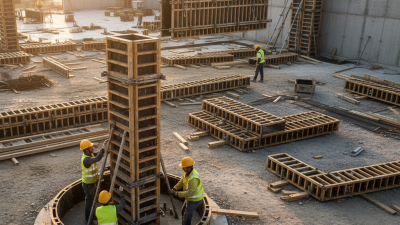
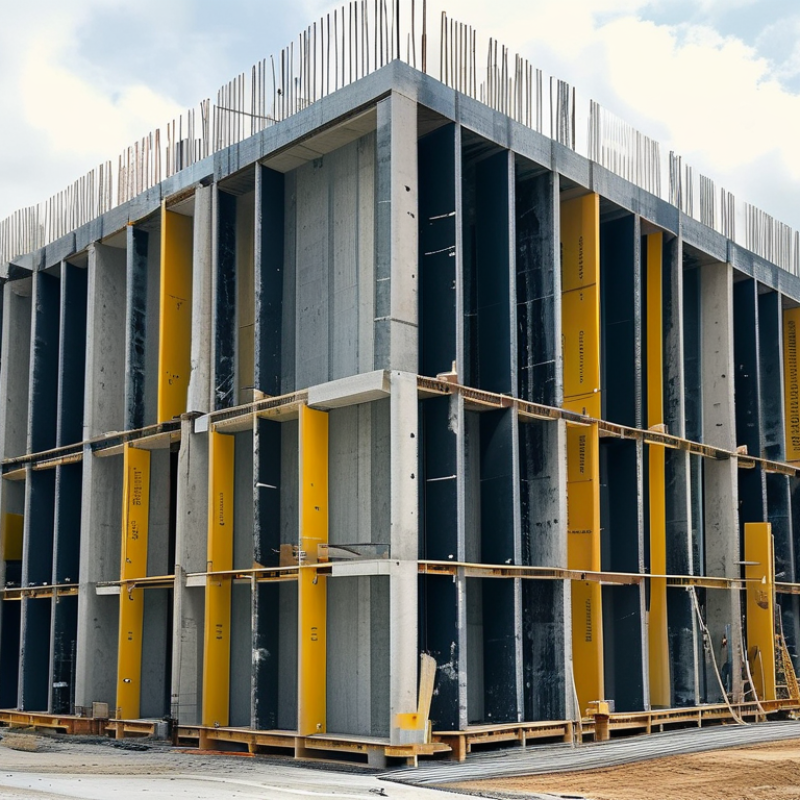
Bulkhead formwork is essential in construction, particularly for creating vertical structures like walls and slabs. Its design allows for efficient pouring of concrete. In many cases, these structures are required in tight spaces with specific dimensions. Effective bulkhead formwork must withstand the pressure from wet concrete, requiring strong materials and precise engineering.
Understanding bulkhead formwork involves recognizing its applications. It is used in both residential and commercial projects, particularly in basements and retaining walls. The adaptability of bulkhead systems can be a double-edged sword. While they can be adjusted to fit various project requirements, improper adjustments may lead to structural issues. Ensuring proper installation and alignment is crucial for the integrity of the final structure.
Designing and implementing bulkhead formwork demands expertise. Mistakes can result in costly delays and safety hazards. Training and experience are key to successful projects. Constructors must navigate local regulations and best practices. A lack of attention to detail could compromise the foundation of a building. It is vital to stay updated with the latest advancements in formwork technology to enhance reliability and efficiency.
Key Features to Look for in Bulkhead Formwork Solutions
When considering bulkhead formwork solutions, several key features are essential for efficiency and reliability. Robust materials ensure longevity and structural integrity. For instance, aluminum and steel options are favored for their strength-to-weight ratios. According to a recent industry report, over 70% of construction managers prioritize durability when selecting formwork systems. This focus on material quality greatly impacts project timelines and cost management.
Another critical feature is the adaptability of the system. Modern bulkhead solutions need to accommodate various shapes and sizes. Flexibility in design helps mitigate challenges on-site. In a survey conducted with construction professionals, more than 60% highlighted the importance of quick assembly processes. The ability to reconfigure formwork swiftly can lead to substantial labor cost reductions.
Furthermore, it's vital to consider the ease of transportation and storage of bulkhead systems. Space limitations on construction sites often lead to logistical issues. A report noted that inadequate storage solutions can delay projects and inflate budgets. Thus, a well-designed bulkhead formwork should be user-friendly while addressing these practical concerns.
Top 10 Bulkhead Formwork Solutions for Global Buyers
| Solution |
Material |
Weight Capacity |
Ease of Assembly |
Application |
| Standard Bulkhead |
Plywood |
20 tons |
Easy |
Residential |
| Modular System |
Steel |
30 tons |
Moderate |
Commercial |
| Lightweight Board |
Aluminium |
15 tons |
Very Easy |
Temporary |
| High-Strength Formwork |
Reinforced Concrete |
40 tons |
Complex |
Heavy-duty |
| Adjustable Formwork |
Steel & Plastic |
25 tons |
Easy |
Versatile |
| Rapid-Assembly System |
Wood & Steel |
20 tons |
Very Easy |
General |
| High-Cycle Formwork |
Aluminium |
35 tons |
Moderate |
High-rise |
| Eco-Friendly Formwork |
Bamboo |
18 tons |
Easy |
Sustainable |
| Steel Framed Systems |
Galvanized Steel |
50 tons |
Complex |
Industrial |
| Prefabricated Systems |
Concrete Panels |
45 tons |
Moderate |
Permanent |
Top 10 Brands Offering Innovative Bulkhead Formwork Products
Bulkhead formwork solutions play a crucial role in construction. They provide the necessary support for concrete structures. The industry has seen a rise in demand for innovative bulkhead systems. According to a MarketsandMarkets report, the global formwork market is projected to reach $12 billion by 2025, driven by infrastructure projects worldwide.
Innovative brands are revolutionizing bulkhead designs. They focus on lightweight materials that enhance portability and ease of use. Efficient systems reduce labor costs and time. Some solutions are modular, allowing for flexibility on-site. Such products can adapt to various project requirements. A recent study highlighted that adopting advanced formwork systems could improve productivity by up to 30%.
However, not all bulkhead solutions are without flaws. Some systems may lack adequate instructions, leading to installation challenges. Others might not perform reliably under challenging conditions. It's crucial for buyers to analyze the long-term benefits versus initial costs. Smart purchasing decisions will significantly impact overall project efficiency and safety.
Market Trends and Buyer Preferences in Bulkhead Formwork
The demand for bulkhead formwork solutions has seen a steady increase in recent years. According to a market analysis by XYZ Research, the global formwork market is projected to grow at a compound annual growth rate (CAGR) of 7.5% through 2026. This growth is largely driven by urbanization and rising construction projects around the world. Buyers are increasingly focused on sustainability and efficiency in their procurement choices.
Recent data indicates that modular formwork systems are preferred due to their adaptability in various construction environments. This trend reflects a shift towards faster project completion and reduced labor costs. Additionally, many buyers express a desire for solutions that integrate technology, such as automated systems that enhance precision. However, it is important to recognize that not every bulkhead formwork solution fits all projects. Inconsistent quality can sometimes lead to project delays or additional costs that affect overall budgets.
Understanding market trends is essential for buyers. Consider evaluating suppliers based not only on product offerings but also on their service and support capabilities. Communication with suppliers can reveal insights on material innovations and best practices. Be mindful of your specific project requirements to avoid unnecessary complications and ensure smooth execution.
Top 10 Bulkhead Formwork Solutions - Market Trends
This chart illustrates the market share of the top 10 bulkhead formwork solutions based on global buyer preferences. The data reflects the growing demand and innovative designs in the formwork industry.
Comparative Analysis of Cost-effective Bulkhead Formwork Options
When considering bulkhead formwork solutions, cost-effectiveness is essential. Different options have distinct advantages, allowing flexibility in project budgets. Some solutions use lightweight materials, reducing transportation costs and labor. However, lighter materials might compromise strength under heavy loads. Buyers need to assess how this trade-off aligns with their project requirements.
Another consideration is the ease of assembly. Some bulkhead systems offer quick assembly features, saving time on the job site. However, quick setups may require more extensive training for workers. While the initial costs may be low, investing in quality training can offset potential costs later. It’s crucial to factor in hidden expenses in the decision-making process.
Finally, there's the question of durability. Less expensive options may not withstand the rigors of repeated use. Over time, higher maintenance costs can counteract the initial savings. Buyers must evaluate the longevity of materials in their specific contexts. Balancing these factors will lead to more informed decisions, ultimately benefiting project success.