How to Choose the Best Circle Formwork for Your Project?
Choosing the right circle formwork is crucial for any construction project. According to a report by the International Formwork Association, the formwork industry is expected to grow by 4.5% annually through 2025. This growth highlights the importance of selecting high-quality materials to ensure structural integrity and efficiency.
Expert in formwork design, John Smith, states, "The choice of circle formwork significantly impacts both the aesthetics and strength of the final structure." His assertion emphasizes the importance of informed decision-making in formwork selection.
When considering circle formwork, factors like material type, cost, and application are key. Innovative solutions aim to enhance project efficiency, yet not all products on the market meet these standards. A careful evaluation of options is necessary to avoid costly mistakes. Recognizing these complexities can help teams select the best circle formwork for their specific needs.
Understanding Different Types of Circle Formwork Available in the Market
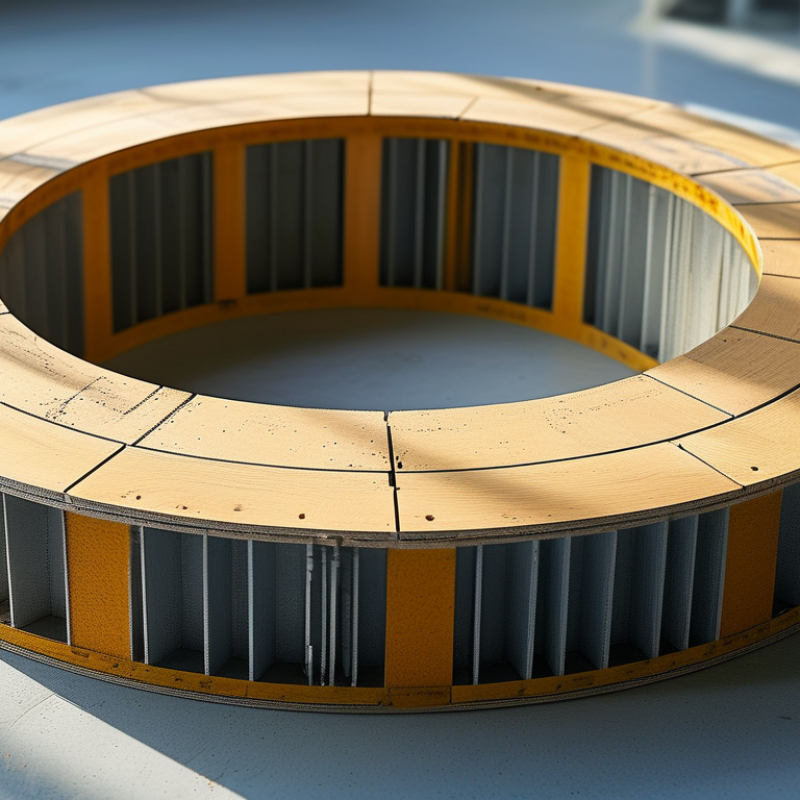
Choosing the right circle formwork is crucial for ensuring structural integrity and efficiency in construction projects. Various types of circle formwork are available in the market, including traditional plywood, steel, and flexible systems. According to industry reports, around 30% of construction errors stem from improper formwork choices. This statistic underscores the importance of understanding the unique features of each type.
Traditional plywood formwork offers a cost-effective solution for many projects. However, it may not provide the strength needed for larger structures. In contrast, steel formwork, while more expensive, delivers superior durability and a longer lifespan. It's especially beneficial for large projects requiring high load-bearing capacity. Surprisingly, flexible formwork is gaining popularity for its adaptability, yet it demands a higher skill level for proper installation.
Each formwork type has its pros and cons. For instance, plywood can warp if not maintained, while steel can be heavy and cumbersome to handle. According to a recent study, nearly 50% of contractors reported difficulties in transporting and setting up steel forms. Awareness of these challenges is essential in making informed decisions. Understanding these diverse options can lead to better project outcomes and minimized errors.
Factors to Consider When Selecting Circle Formwork for Your Project
Selecting the best circle formwork for your project involves crucial considerations. Start by assessing your project's scale and complexity. Larger projects may require sturdy, reusable formwork systems. If your project is smaller, lighter options could suffice. The material choice impacts durability and ease of assembly. Wood, steel, and plastic all have unique benefits, but also bring various costs and maintenance needs.
When examining the site conditions, consider the ground type and accessibility. Heavy formwork needs a solid foundation. Look for systems that can adapt to uneven terrain. Compliance with safety regulations is essential; ensure your chosen formwork meets industry standards to protect workers.
Tips for decision-making include evaluating the availability of support staff for assembly. Experienced professionals can help you avoid common mistakes. Always calculate the total cost, not just the initial price, to understand long-term investment. A meticulous approach can save money and time, ensuring a smoother project execution. Be prepared to rethink your choices when circumstances change, as flexibility can lead to better outcomes.
How to Choose the Best Circle Formwork for Your Project?
| Factor |
Description |
Importance (1-10) |
| Material |
The type of material used can affect durability and weight. |
9 |
| Size |
Availability of various sizes to accommodate project specifications. |
8 |
| Weight |
Lightweight options may be easier to work with on-site. |
7 |
| Cost |
Budget constraints can impact material choices. |
9 |
| Ease of Assembly |
How quickly and easily the formwork can be set up and dismantled. |
8 |
| Reusability |
Durable designs allow for multiple uses over time. |
8 |
| Compatibility |
Must work well with existing construction methods and other materials. |
7 |
Cost Analysis: Budgeting for Circle Formwork Options
When selecting circle formwork, budgeting is vital. The cost can vary significantly based on materials, design, and project complexity. Concrete is the primary material, but options like plywood and steel also exist. Each has its advantages and limitations. Plywood is cost-effective but may lack durability compared to steel. Steel offers strength but at a higher price point.
It’s essential to analyze the project size and requirements. For smaller projects, less expensive and lighter materials may suffice. Larger structures often demand more robust options. Keep in mind the potential for additional costs. These may include delivery fees or equipment rentals. Always include a contingency in your budget, as unexpected expenses can arise.
Getting accurate quotes from suppliers can be challenging. Some might not include installation costs. Others may offer discounts for bulk orders. Take time to compare these factors. Expense is only one piece of the puzzle. Quality and reliability should also influence your decision. A cheaper option might lead to higher costs later due to repairs or replacements. Investing in quality formwork can save money in the long run.
Assessing Durability and Longevity of Circle Formwork Materials
When selecting circle formwork, durability and longevity are critical factors. Various materials are used in formwork, including wood, steel, and plastic. Each has distinct characteristics affecting its lifespan. For example, steel formwork can last up to 20 years with proper maintenance, while plywood's typical lifespan is only about five years. Understanding the environmental conditions of your project can help determine the best choice.
Recent industry data indicates that around 30% of construction issues stem from inadequate material selection. This highlights the importance of assessing how materials respond to weather and physical stress. For instance, plastic formwork often degrades quickly under UV exposure. On the other hand, treated wood can be more resilient but is subject to rot if not sealed properly.
Evaluating the performance of formwork materials against industry standards is imperative. Reports show that projects using high-quality materials experience up to 25% fewer delays. However, the initial investment may be higher, potentially impacting budget constraints. Identifying a balance between cost and quality is vital for long-term success.
Durability Comparison of Circle Formwork Materials
Best Practices for Installation and Use of Circle Formwork
Installing circle formwork requires careful planning and execution. Ensure that your site is prepared properly before starting. Leveling the ground is crucial for achieving a strong foundation. Check for any obstacles such as rocks or debris that may hinder installation.
Follow the manufacturer’s guidelines for assembly. Each piece of formwork should fit snugly together. Pay attention to connections; gaps can lead to leaks. Consider the weather; rain can weaken the structure. A damp environment might require additional support.
Once installed, inspect the formwork regularly. Look for signs of stress or damage. Adjustments may be needed during the pouring process. Have a contingency plan for unexpected issues. Maintaining vigilance can save time and costs in the long run. Getting feedback from your crew can also highlight potential improvements.