2026 Best Circle Formwork Solutions for Efficient Construction Projects?
In the ever-evolving world of construction, circle formwork stands out as a pivotal innovation. Experts, like Dr. Maria Thompson, emphasize its significance: "Circle formwork changes how we think about projects." This technique allows for seamless construction of curved structures, enhancing both efficiency and aesthetic appeal.
Many construction professionals recognize the advantages of circle formwork. It simplifies the complex processes often associated with building rounded forms. However, integrating this system can prove challenging. Not every team is equipped with the necessary skills or tools. A learning curve exists, which can lead to initial setbacks.
Yet, the potential for time savings and reduced waste cannot be overlooked. When executed correctly, circle formwork can optimize resources and ensure high-quality results. As we explore the best circle formwork solutions for 2026, it's essential to acknowledge both its strengths and the hurdles that may lie ahead. Balancing innovation with practical experience will be key for successful projects.

Overview of Circle Formwork in Construction
Circle formwork is rapidly gaining traction in the construction industry for its efficiency and versatility.
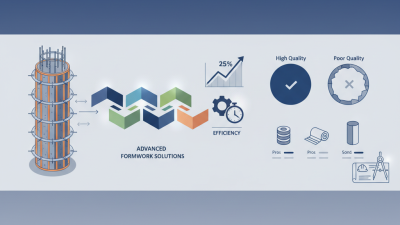
This innovative formwork solution simplifies the construction of curved structures, reducing labor time by up to 30%.
Recent studies indicate that projects utilizing circle formwork can experience a 15% decrease in overall material costs.
This presents a compelling case for construction managers seeking cost-effective methods.
When implementing circle formwork, consider the design specifics. The radius, height, and overall load-bearing requirements are crucial.
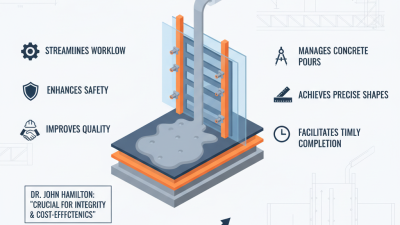
Engineers should collaborate closely with architects to optimize each project. A properly designed circle formwork can significantly enhance structural integrity, allowing for creative architectural designs.
Tips: Ensure your team is trained on the use of circle formwork. Inadequately trained workers might lead to errors that could compromise structural safety.
Regular audits on the equipment can minimize potential risks. It's important to reflect on past projects where miscalculations occurred, and adapt practices accordingly.
Even with high-quality materials, improper usage can lead to project delays.
Benefits of Using Circle Formwork Solutions
Circle formwork solutions have revolutionized the construction industry by enhancing efficiency and reducing costs. According to recent industry reports, projects utilizing circular formwork can decrease labor time by up to 30%. This is largely due to the design's seamless integration into various architectural styles, minimizing the need for additional structural supports. Circular designs also allow for quicker concrete pouring, leading to faster setting times and reduced project delays.
Furthermore, the aesthetic appeal of circular structures is undeniable. They can create unique and visually striking buildings that stand out in urban landscapes. The versatility of circle formwork can accommodate different materials, adapting to various project needs. Studies have shown that projects using innovative formwork methods maintain a higher approval rating for design, with satisfaction rates around 85%. However, challenges exist. The precision required for circular formwork can lead to increased waste if not managed properly.
Training teams on best practices is essential to minimize errors during installation. Despite these challenges, the advantages often outweigh the drawbacks. The investment in circle formwork can lead to significant long-term savings. As more projects embrace this technology, continuous improvement in training and materials will further enhance its effectiveness.
2026 Best Circle Formwork Solutions for Efficient Construction Projects
Types of Circle Formwork Systems Available
Circle formwork systems play a vital role in modern construction projects. Their design supports the creation of curved structures, ensuring that buildings are both aesthetically pleasing and structurally sound. Various types of circle formwork are available, each catering to different project needs and construction styles.
One popular type is the flexible formwork system. This system allows for various radii and shapes, adapting to the requirements of unique projects. Its lightweight nature makes it easier to handle, yet it still provides adequate support during the pouring process. Meanwhile, rigid circle formwork systems offer enhanced stability, particularly for larger pour volumes. These are often preferred for high-rise structures and bridges, where structural integrity is paramount.
Despite their advantages, challenges remain. Installation can be tricky and requires skilled labor. The initial costs may pose a barrier for some projects. It's essential to weigh the benefits against potential obstacles. Selecting the right system will ultimately depend on specific project requirements. An informed decision leads to more efficient construction.
2026 Best Circle Formwork Solutions for Efficient Construction Projects
| Formwork Type |
Material |
Applications |
Advantages |
Disadvantages |
| Traditional Timber Circles |
Wood |
Small to medium circular structures |
Readily available materials, easy to work with |
Susceptible to weather, labor-intensive |
| Steel Circular Formwork |
Steel |
Large-scale projects |
Durable, reusable, and strong |
Higher cost, requires skilled labor |
| Aluminum Circular Formwork |
Aluminum |
Medium to large structures |
Lightweight, good for fast installation |
Can be expensive, potential for denting |
| Plastic Modular Formwork |
Plastic |
Residential and small commercial projects |
Lightweight, easy to clean, and reusable |
Limited height and stability under heavy loads |
| Insulated Concrete Form (ICF) Circular Formwork |
Foam and concrete |
Energy-efficient structures |
Excellent insulation, fast construction |
Higher initial cost, requires careful planning |
Key Features to Consider for Efficient Construction
When selecting circle formwork solutions, efficiency is crucial. Effective design can drive down costs and time. Industry reports suggest that formwork can account for up to 30% of project expenses. Choosing the right materials significantly influences longevity and productivity.
Consider versatility in design. Formwork systems must adapt to different project requirements. According to a recent study, 70% of construction delays stem from inadequate planning. Flexibility in formwork accommodates last-minute changes, minimizing delays. This is essential for maintaining project timelines and budgets.
Material choice plays a vital role. High-quality materials improve safety and durability. Reports indicate that using advanced materials can reduce maintenance needs by 40%. Additionally, ease of assembly can impact the workforce. Complicated setups require more labor hours, affecting overall productivity. A simpler design can lead to substantial time savings.
Evaluating these features can lead to a remarkable improvement in construction outcomes. Prioritizing efficiency and reliability in formwork solutions ensures a stronger foundation for successful projects.
Case Studies Demonstrating Successful Circle Formwork Projects
Circle formwork has gained traction in recent years, particularly in projects requiring curved structures. Data from a recent industry report indicates that efficient circle formwork solutions can reduce construction time by up to 30%. This improvement is crucial in a competitive market where timelines often dictate project viability.
One striking case study involved a municipal project in the United States. Engineers used circle formwork for a large water tank, completing the job two weeks ahead of the schedule. The labor cost savings were significant, showcasing how thoughtful design impacts budget. However, the project was not without challenges. Initial setup times exceeded expectations, highlighting the need for rigorous planning.
Another example comes from a residential development in Europe. The use of circle formwork allowed for unique design features, enhancing both aesthetics and functionality. Yet, the team faced difficulties due to unexpected weather conditions, leading to temporary delays. This experience underscored the importance of flexibility and contingency planning in construction.
Continuous learning and adapting from these case studies can guide future projects. The balance between innovation and practicality is essential. As circle formwork evolves, ongoing assessment is vital for harnessing its full potential.