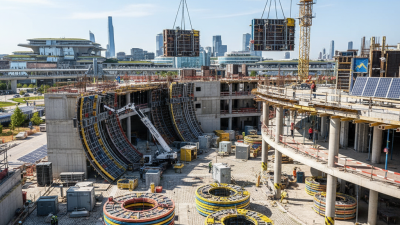
Essential Tips for Using Suspended Slab Formwork Effectively?
Suspended slab formwork is a crucial component in modern construction. Expert engineer John Doe states, “Effective use of suspended slab formwork can elevate project efficiency.” His insight reflects the significance of mastering this method.
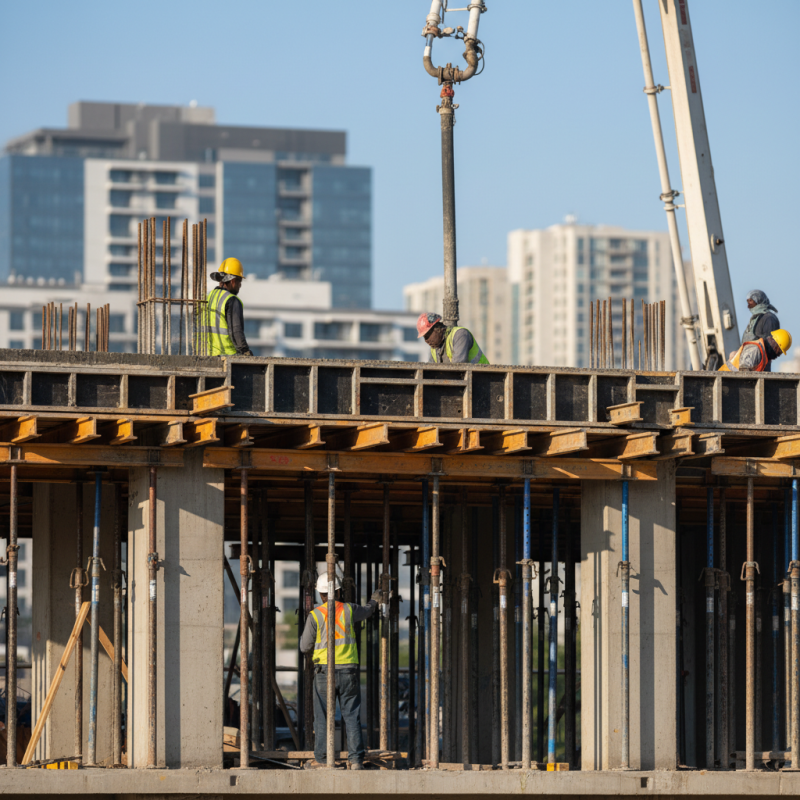
Utilizing suspended slab formwork requires careful planning and execution. It supports concrete structures, ensuring they maintain shape during curing. A well-designed formwork system minimizes errors and rework. However, the complexity can lead to mistakes. Workers must understand load distributions and material choices.
Despite its advantages, some teams struggle with implementing suspended slab formwork effectively. It demands precise calculations and skilled labor. Misjudgments can result in costly delays and safety hazards. Continuous training is essential for teams to keep up with industry standards. A focus on quality assurance can lead to better outcomes.
Understanding Suspended Slab Formwork: Types and Applications
Suspended slab formwork is crucial in construction. It supports concrete during curing. Different types serve various needs. Traditional systems use timber, offering flexibility but requiring careful labor.
Steel frames, on the other hand, provide durability and speed but can be costly. Each type has its advantages and shortcomings.
Understanding both can impact project efficiency. For example, timber can warp under moisture, causing delays. Steel frames might not fit unique site constraints. Selecting the right formwork type can save time and material costs.
The application of suspended slab formwork varies widely. For residential buildings, lighter systems may suffice. Commercial projects often need more robust options. Examining site conditions thoroughly helps in making informed decisions. Inadequate planning here can lead to challenges later in the project. Each choice affects stability and overall safety.
Key Factors in Selecting the Right Formwork System for Suspended Slabs
When choosing the right formwork system for suspended slabs, consider several key factors. The structural load is critical. Ensure the chosen formwork can support the weight of concrete and any reinforcing materials. Inadequate support may lead to failures. Evaluate the material of the formwork. Steel and aluminum are strong options, while timber offers flexibility.
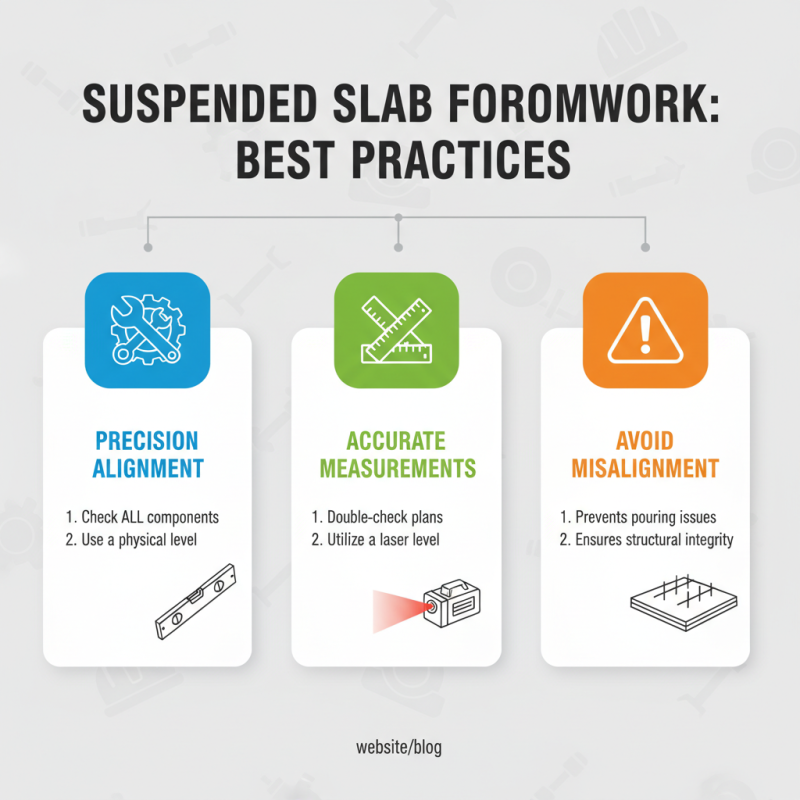
Tips for effective use include proper installation. Ensure that all components are securely in place. Regular inspections are vital. Look for signs of stress, wear, or misalignment. These may indicate potential issues that need addressing. Weather conditions can also influence your choice. Rain or extreme heat may affect drying times and, consequently, the integrity of the slab.
The ease of dismantling the formwork matters too. Choose a system that allows for quick and safe removal. This reduces downtime and labor costs. Still, don’t rush this process. Careful dismantling helps maintain the integrity of your newly poured slab. Reflecting on these aspects can enhance safety and efficiency.
Safety Considerations When Using Suspended Slab Formwork
When working with suspended slab formwork, safety is paramount. Proper training is essential for all personnel. Each worker should understand the specific risks associated with this method. Overlooking safety can lead to severe accidents.
Regular inspections of formwork systems are crucial. Ensure that all components are in good condition. Check for signs of wear or damage. If any part appears compromised, it must be replaced immediately. An effective communication plan among team members is also vital. Everyone should be aware of their roles and responsibilities.
Consider the load capacity of the formwork. Overloading can lead to failures. Make sure to calculate the weight of materials carefully. Use a checklist to confirm that all safety measures are taken. Implementing these tips can significantly reduce risks, but no system is foolproof. Always encourage workers to voice concerns about safety issues. Their experiences can uncover potential problems. Prioritize a culture of safety to enhance overall project success.
Maintenance Tips for Ensuring Durability of Formwork Systems
Maintaining formwork systems is essential for longevity and performance. Regular inspections are crucial. Look for signs of wear, such as cracks or deformities. Small issues can escalate quickly. Addressing them promptly prevents larger problems later.
Cleaning is another vital aspect. Remove debris, concrete remnants, and other contaminants after each use. This helps maintain the integrity of the formwork. Pay attention to joints and seams; they often accumulate dirt. Neglecting these details can lead to major failures.
Proper storage also plays a critical role. Store the formwork in a dry environment to prevent warping. Avoid stacking them in ways that cause pressure points. Rot or rust can develop in improper conditions. These factors can render your formwork unusable, leading to project delays and increased costs. Regular maintenance helps ensure that your formwork systems stay reliable and effective over time.
Durability Factors for Suspended Slab Formwork