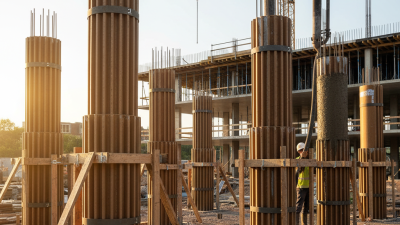
2026 Top Trends in Precast Formwork Innovation and Best Practices?
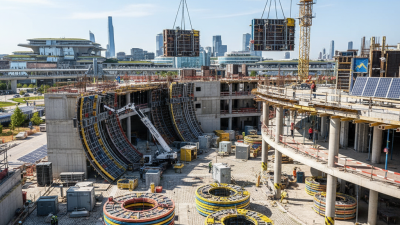
The precast formwork industry is set for transformative changes in 2026. With the global construction market expected to grow by 4.2% annually, the demand for innovative precast solutions is rising. A recent report from McKinsey highlights that precast formwork can reduce construction time by up to 30%. Experts believe that embracing technology is key to this shift. John Smith, a leading authority in the field, once stated, "Innovation in precast formwork will redefine efficiency in construction."
As we delve into 2026’s trends, several advancements come to the forefront. Biodegradable materials are becoming essential for sustainability. High-performance concrete is gaining traction for its durability and strength. Despite these promising advances, challenges abound. The need for skilled labor remains a significant barrier, and many companies still rely on outdated techniques. The balance between tradition and innovation must be carefully managed.
Staying informed about best practices is crucial. It ensures that projects meet industry standards while optimizing costs. The landscape of precast formwork is evolving. Addressing these challenges will require collaboration and adaptation from all industry players. Embracing change is not just an opportunity; it is a necessity for future success.

Emerging Materials and Technologies in Precast Formwork for 2026
In 2026, the precast formwork industry is witnessing a surge in innovative materials and technologies. Lightweight composites are gaining traction. These materials reduce transportation costs and improve worksite efficiency. Their durability is impressive, but they require careful handling during installation. The risk of damages is higher compared to traditional options, which can lead to project delays.
3D printing is another game-changer, enabling on-demand production of formwork elements. This technology allows customization to meet specific project needs. However, adoption can be slow due to the initial investment and the learning curve involved. Additionally, integrating 3D printing into existing workflows poses challenges.
New digital monitoring tools are emerging, enhancing quality control and project tracking. These tools can identify issues early, yet they rely on skilled operators to interpret the data effectively. The potential for human error exists. With these advancements, the industry can expect faster projects but also a need for continuous training. Balancing innovation and practicality is key for success in the evolving landscape of precast formwork.
2026 Top Trends in Precast Formwork Innovation
Sustainable Practices in Precast Formwork Design and Production
Sustainable practices in precast formwork design and production are increasingly essential as the construction industry seeks eco-friendly solutions. Using recycled materials can significantly reduce environmental impact. Common materials include reclaimed concrete and steel, minimizing waste. This approach not only conserves resources but also lowers costs.
Moreover, innovative design techniques play a critical role. Modular formwork allows for reused elements across multiple projects. This flexibility supports sustainability by optimizing production. However, the challenge lies in ensuring quality remains high while achieving efficiency. Many companies struggle to balance cost-effective practices with the need for durable structures. Striving for resource efficiency without compromising on safety is vital.
Energy-efficient production methods also contribute to sustainability. Employing renewable energy sources in manufacturing processes can reduce carbon footprints. Yet, transitioning to these methods requires upfront investment, which may deter some firms. It's essential to analyze long-term benefits and viability. The drive toward sustainable precast formwork is promising but requires ongoing commitment and innovation.
Digital Transformation: BIM and Automation in Precast Industry Standards
Digital transformation is reshaping the precast industry significantly.
Building Information Modeling (BIM)
is at the forefront of this shift. It enables enhanced collaboration among architects, engineers, and contractors.
This integration improves accuracy and reduces errors during the design phase. Real-time updates within a digital environment lead to
better project management.
Implementing automation can streamline production processes. For example,
automated machines can construct precast modules with precision.
This minimizes human error and increases output speed. Embracing these technologies requires
training and adaptation. Many teams may resist changes initially, questioning their effectiveness.
Tips: Start small. Pilot a single project with BIM and automation before full-scale implementation.
Monitor progress closely. Collect feedback from team members. Adjust strategies as needed.
Not all approaches will succeed the first time. Stay flexible to refine your process continuously.
Adaptation can lead to improved quality and efficiency over time.
Enhancing Efficiency: Key Metrics and Case Studies on Precast Methods
In recent years, precast formwork has become a vital part of construction. Innovative techniques are enhancing efficiency in this field. Case studies reveal actionable insights on performance metrics. These advancements highlight the importance of reducing cycle times and improving safety protocols.
When adopting precast methods, consider these tips. First, always engage in thorough planning before execution. Evaluate your team’s capabilities and training needs. Streamlined communication can eliminate delays. Use a simple checklist to ensure all materials are ready before assembly.
Metrics play a crucial role in gauging progress. Track dimensions, timing, and quality regularly. This data helps identify areas for improvement. Be cautious though; over-reliance on numbers can obscure real-world challenges. A balance between analytics and hands-on feedback can lead to better results. Prioritize ongoing training to adapt to new techniques and overcome potential obstacles.
Future Market Trends: Growth Projections for Precast Formwork Solutions
The construction industry is evolving rapidly, especially in the realm of precast formwork solutions. As trends suggest, the precast formwork market is expected to see significant growth in the coming years. Innovations in design and technology are driving this expansion, creating opportunities for efficiency and sustainability. Companies that adapt to these changes will likely lead the market.
One major trend is the integration of smart technologies into precast formwork. Sensors and monitoring systems enhance safety and precision. However, integrating these technologies is not without challenges. Many firms must invest in training and equipment upgrades to reap the benefits fully. Data privacy and cybersecurity are also concerns that need addressing as technology becomes more prevalent.
Sustainability is another critical aspect of future market trends. The demand for environmentally friendly construction practices is rising. Precast formwork can contribute to this goal by minimizing waste and decreasing carbon footprints. Yet, businesses must reflect on the lifecycle of materials. Ensuring that sourcing and disposal methods are eco-friendly remains a complex issue. Balancing innovation with responsible practices is essential for long-term success in this evolving market.