2026 Top Trends in Wall Formwork Solutions for Global Buyers?
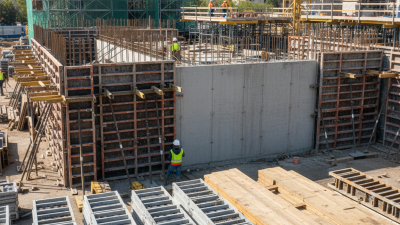
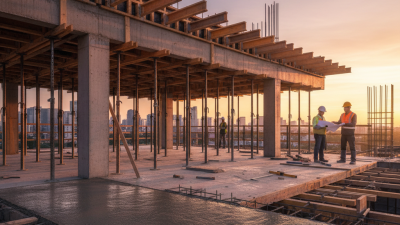
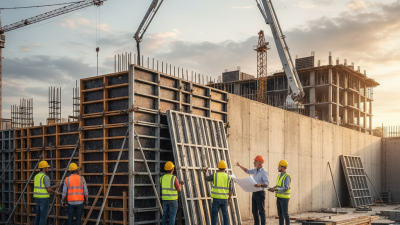
As the construction industry evolves, wall formwork solutions play a crucial role in project efficiency. According to recent reports by the Global Construction Forecast, the market for wall formwork is expected to grow substantially, driven by increasing urbanization and infrastructure development. Current trends indicate a shift towards innovative, lightweight materials that enhance safety and reduce labor costs.
The demand for sustainable practices also shapes this market. Companies are exploring eco-friendly materials, which are gaining traction among global buyers. However, not all solutions have proven equally effective. Some traditional formwork methods still lag, requiring reevaluation.
In a competitive landscape, factors such as cost, reliability, and adaptability define successful wall formwork solutions. It's essential for industry players to stay informed and continuously assess their practices. Embracing new technologies can lead to improved outcomes while addressing the challenges of rising environmental concerns. As the industry looks to 2026, understanding these trends will be vital for making informed decisions in wall formwork procurement.
2026 Projected Growth of Wall Formwork Market: Statistics and Insights
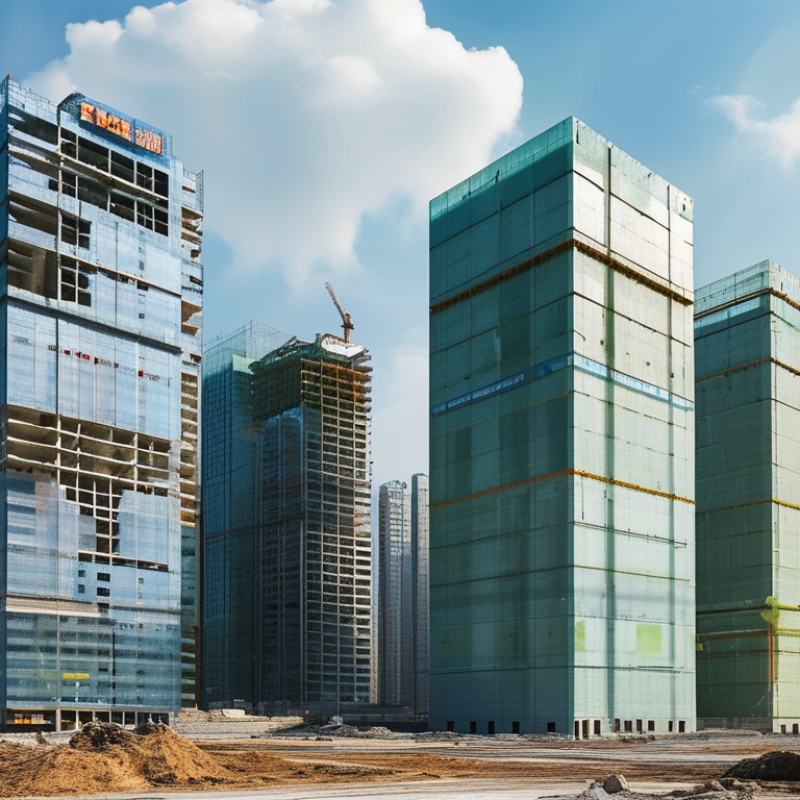
The wall formwork market is on a promising growth trajectory, projected to expand significantly by 2026. Factors driving this growth include urbanization and infrastructure development. Countries are investing heavily in residential and commercial construction. This trend opens up opportunities for innovative formwork solutions. Enhanced safety measures and environmental considerations also push for advancements in this field.
Market statistics indicate a growing demand for customizable wall formwork solutions. Buyers are looking for products that adapt to various project specifications. Shorter construction timelines motivate companies to invest in efficient formwork systems. However, there are challenges such as rising material costs and supply chain disruptions. Companies must continuously innovate and improve processes to stay competitive.
Sustainability is becoming more crucial in construction practices. Eco-friendly materials in formwork can attract environmentally-conscious buyers. Yet, achieving sustainability while maintaining quality is not straightforward. The industry must balance these aspects carefully. Insights show that collaboration among manufacturers, architects, and builders is essential for success moving forward.
2026 Top Trends in Wall Formwork Solutions for Global Buyers
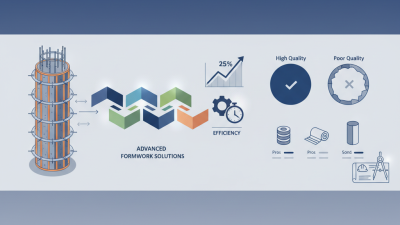
This chart illustrates the projected growth of the wall formwork market over the years leading to 2026. As indicated, the market is expected to grow steadily, reflecting increasing demand for innovative wall formwork solutions worldwide.
Key Innovations in Wall Formwork Technology Expected in 2026
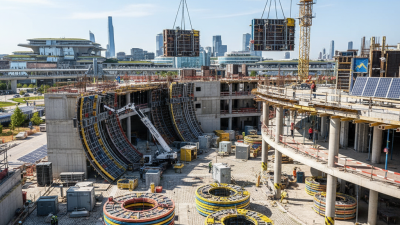
Wall formwork technology is evolving rapidly. In 2026, significant innovations will streamline construction projects. Companies are focusing on materials that are lighter yet stronger. This shift will enhance durability while reducing transportation costs. New composite materials will be widely adopted. They promise improved performance and sustainability.
Automation is another trend. Smart formwork systems will capture data in real-time. This capability allows for better planning and execution of projects. Moreover, these systems reduce labor costs and improve precision. However, reliance on technology can pose risks. Miscommunication between machines and workers may lead to mistakes.
Sustainability remains a priority. Eco-friendly materials will be a game changer. Companies will need to embrace recycling practices. Building with a lower carbon footprint is crucial for the future. Yet, the challenge lies in balancing cost with environmental impact. As the industry progresses, these innovations will define the landscape of wall formwork solutions.
Sustainability Trends Affecting Wall Formwork Solutions for Global Buyers
Sustainability is becoming crucial in wall formwork solutions. Buyers are increasingly aware of their environmental impact. They seek materials that minimize waste and energy consumption. Prefabricated solutions are gaining popularity in this context. These systems reduce on-site waste and streamline construction processes. Reusable materials are also seen as a way to achieve sustainability goals.
Innovative designs and technologies are transforming traditional methods.
Modular formwork systems can adapt easily to various project needs. This flexibility allows for efficient resource use and reduced logistics costs.
However, not all sustainable solutions are perfect. Some may require higher initial investments or specific maintenance protocols. Buyers must evaluate long-term benefits against immediate costs.
Industry experts emphasize the importance of recycling in formwork projects. Recycled materials can enhance structural integrity while reducing carbon footprints. Additionally, adopting local sourcing practices can cut down on transportation emissions.
Nevertheless, these solutions may not always be readily accessible. Challenges in supply chains or local regulations can hinder implementation.
Sustainability in wall formwork requires careful consideration but offers significant rewards.
Impact of Automation on Wall Formwork Efficiency and Safety Standards
The impact of automation on wall formwork solutions is transforming the construction industry. Automated systems enhance the efficiency of wall formwork processes. They reduce human error and increase safety standards on job sites. However, this shift requires careful implementation. Not every construction team is equipped to handle advanced technologies effectively.
Integrating automated systems can lead to significant time savings. For instance, automated pouring and curing processes streamline operations. Companies can see a reduction in labor costs and project timelines. But, reliance on automation may create challenges. Workers need training to adapt to new systems. Companies should invest in upskilling their teams to maximize benefits.
Tips: Always conduct a thorough risk assessment before adopting new technology. Understand the learning curve involved for your team. Regular feedback loops can help address any issues early on. Consider pilot projects to test automation on a smaller scale before full implementation. These steps can enhance both safety and efficiency in wall formwork solutions.
Major Regional Markets for Wall Formwork: Comparative Analysis and Projections
The demand for wall formwork solutions is growing significantly across major regions. North America is emphasizing innovative materials and sustainability, pushing the market forward. Meanwhile, Europe focuses on cost-effectiveness and durability, leading to unique local practices. Each region has its own set of challenges and opportunities. Competitors must adapt to these variations to thrive.
In Asia-Pacific, rapid urbanization drives an urgent need for efficient construction methods. Emerging economies are investing heavily in infrastructure. This creates an opportunity for wall formwork manufacturers to offer tailored solutions. However, fluctuating raw material costs present a potential barrier. Buyers must evaluate long-term reliability versus immediate savings.
Latin America shows a mixed approach, balancing traditional methods with modern techniques. Strong local partnerships can enhance market entry strategies. Yet, understanding regional regulatory frameworks remains crucial to avoid setbacks. Each region’s landscape presents both risks and rewards that require careful planning and adaptability.
2026 Top Trends in Wall Formwork Solutions for Global Buyers
| Region |
Market Size (USD Million) |
Growth Rate (CAGR %) |
Major Drivers |
| North America |
750 |
4.5 |
Infrastructure Development, Sustainability Trends |
| Europe |
650 |
3.8 |
Regulatory Support, Technological Advancements |
| Asia-Pacific |
900 |
6.2 |
Urbanization, Economic Growth |
| Latin America |
300 |
5.0 |
Investment in Infrastructure, Housing Projects |
| Middle East & Africa |
200 |
4.0 |
Construction Boom, Expo 2020 Follow-ups |