China Top Precast Concrete Formwork Manufacturers

China is a major sourcing destination for precast concrete formwork, with manufacturers serving projects that range from housing components to bridges and utility structures. Choosing a supplier takes more than comparing catalog photos or quoted prices. The formwork must match the component drawings, concrete pressure, production cycle, and site handling plan. Small details matter: corner alignment, weld consistency, lifting points, and the finish of contact surfaces can affect both the finished element and daily production.

A reliable review begins with clear questions. Can the manufacturer explain its design assumptions? Are material specifications, inspection records, and drawing revisions easy to verify? Ask for relevant project examples, not just a list of industries served. If possible, inspect sample panels or arrange a factory visit. Check how the team handles changes, replacement parts, and technical support after delivery. A polished catalog is not proof. It is only a starting point.

This guide introduces China’s precast concrete formwork manufacturers and the practical factors buyers can use to compare them. It looks at product range, customization, quality control, communication, and delivery planning. No supplier fits every project. A lower initial price may bring extra adjustment work; a highly customized system may need longer coordination. That trade-off deserves attention. The right choice depends on drawings, production volume, budget, and the support available where the formwork will be used.
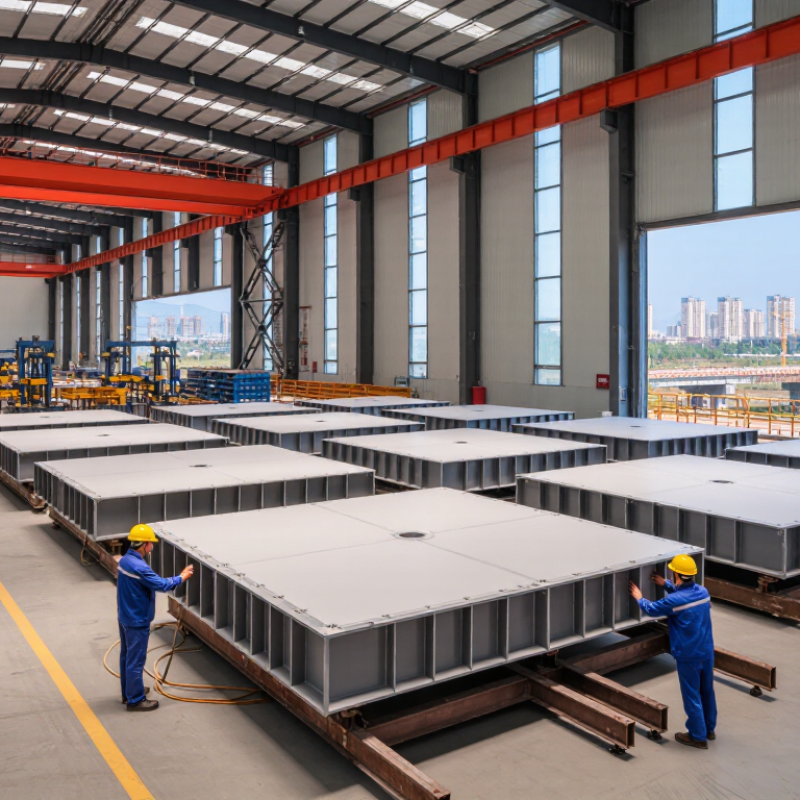
China Top Precast Concrete Formwork Manufacturers

Understanding Precast Concrete Formwork and Its Role in Construction

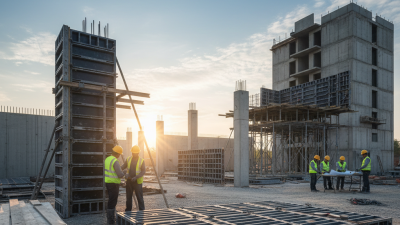
Precast concrete formwork is the mold that gives a concrete element its shape before it reaches the construction site. It may be made from steel, timber, or other suitable materials. The mold holds wet concrete in place while it is compacted and cured. Its dimensions, joints, and surface finish affect the finished panel or beam. Small gaps can cause grout leakage. Poor alignment may leave edges uneven.

Unlike formwork used for a single site pour, precast formwork is often designed for repeated production. A well-planned system can help crews make consistent components and reduce adjustments during installation. For example, a factory team may check the mold’s dimensions, apply release agent evenly, and confirm that reinforcement fits without touching the form. Details matter. Cleaning between pours also helps prevent marks from hardened concrete.

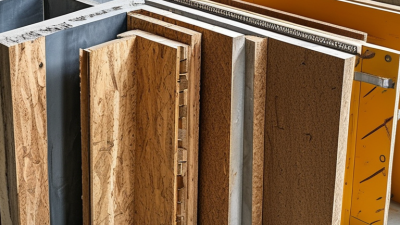
Choosing a formwork system depends on the element’s shape, production volume, lifting points, and curing process. Steel forms can suit repeated cycles, while timber may be useful for unusual shapes or limited runs. Neither option is automatically right. Real projects involve trade-offs, and even a carefully designed mold may need adjustment after trial production. Reviewing sample components and maintenance needs gives manufacturers and buyers a more practical basis for decisions.

China’s Precast Formwork Industry: Products, Applications, and Market Scope

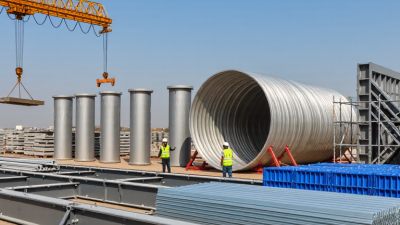
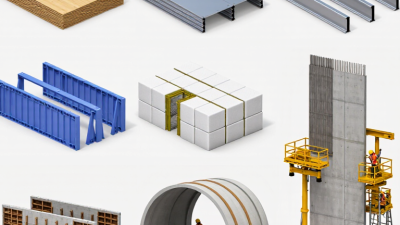
China’s precast formwork industry supplies systems for casting wall panels, floor slabs, beams, columns, stairs, and facade units. Common products include steel table forms, adjustable modular panels, and custom molds for complex shapes. Factories may also provide reinforcement positioning accessories and casting-bed equipment. The right setup depends on concrete pressure, unit dimensions, surface finish, and production volume.

Applications range from apartment blocks and commercial buildings to bridges, rail projects, drainage channels, and utility structures. Repeated components often benefit from reusable molds, while one-off geometries may need tailored tooling. Small details matter: a misaligned joint can leave a visible seam, and poor release-agent coverage can damage a panel’s face. Careful trial casting helps reveal these issues before production scales up.

The market spans domestic construction projects and export-oriented manufacturing, but requirements vary by destination and project specification. Buyers should review drawings, dimensional tolerances, weld quality, corrosion protection, assembly instructions, and spare-part availability. Ask how the supplier handles design changes and replacement components. Price alone tells little. A low-cost mold may require more labor or repairs over its service life. That comparison is easy to miss, especially when delivery schedules are tight.

How to Assess Leading Chinese Precast Formwork Manufacturers

Assessing a Chinese precast formwork manufacturer starts with the drawings, not the sales brochure. Ask how the team converts architectural and structural details into shop drawings, and how revisions are tracked. Request a sample inspection record for a specific panel or mold. Check dimensions, welds, surface finish, and release-agent application under real production conditions. Small details matter.

Engineering capability should be visible in calculations and working processes. Confirm allowable concrete pressure, vibration loads, lifting points, and expected reuse cycles for your project. Ask whether adjustable components can meet your tolerances without improvised shims. A polished technical answer is not enough; compare it with trial-assembly photos or a factory visit. If possible, inspect a mold after repeated use, not only a new unit.

Review quality control at incoming steel, machining, welding, and final fit-up. Ask for traceable material documents, calibration records, nonconformance logs, and corrective-action examples. Clarify packing, spare parts, installation guidance, and response times across time zones. Speak with previous buyers about dimensional consistency and after-sales support. There may be gaps. No supplier is flawless, and a neat audit can miss rushed shifts or inconsistent subcontracting. A modest pilot order with agreed acceptance criteria can reveal issues before a larger commitment.

Profiles of Notable Precast Concrete Formwork Manufacturers in China

China’s precast concrete formwork sector includes manufacturers with different strengths. Some focus on steel table forms for wall and floor panels, while others build modular systems for beams, stairs, or façade elements. Their profiles are best judged by the work they can demonstrate, not by broad claims.

Look for evidence of engineering support, production capacity, and quality control. A capable supplier can explain how panel dimensions, reinforcement openings, and lifting points are coordinated before fabrication. Ask for drawings, sample inspection records, and details about surface treatment. On a factory visit, inspect weld consistency, edge alignment, and how components are stored. Small details matter.

Some manufacturers emphasize customized designs; others offer repeatable systems that help standardize production. Neither approach suits every project. Still, a polished catalog can hide limits in tooling or delivery capacity. Ask how design changes are handled and what happens when site measurements differ. No profile tells the whole story. Comparing documented projects, technical responses, and after-sales support gives buyers a more grounded view of China’s notable formwork manufacturers.

Comparing Manufacturer Capabilities, Quality Standards, and Services

China Top Precast Concrete Formwork Manufacturers: Comparing Manufacturer Capabilities, Quality Standards, and Services

Comparisons should look beyond factory size. Check whether a manufacturer can convert drawings into coordinated shop plans, hold repeatable dimensions, and build curved or heavily reinforced elements. Ask for sample inspection records, trial-assembly photos, and clear tolerances. Small details matter. A panel that needs repeated site adjustment can slow an entire casting cycle.

McKinsey’s 2017 Reinventing Construction report found construction labor productivity grew about 1% annually over two decades, compared with 2.8% across the wider economy. That gap makes reliable fit and delivery schedules practical evaluation points, not marketing extras.

For quality, ISO 9001 indicates documented management processes; it does not guarantee formwork accuracy. Review checks for flatness, welds, surface finish, and dimensional deviation. ACI 347R offers useful guidance on formwork design and construction. Service matters too: confirm drawing support, spare-part availability, and response times for site issues.

UNEP and GlobalABC reported that buildings accounted for 37% of energy- and process-related CO2 emissions in 2022. Reusable formwork may support lower material use, but actual results depend on cycle life and handling. One weakness in many comparisons: quoted service life is hard to verify without project records.