How to Choose the Best Cement Formwork for Your Project?
Choosing the right cement formwork is crucial for any construction project. The formwork directly impacts the quality and durability of the concrete structure. Various types of cement formwork are available, each serving different project needs. Understanding these options helps ensure successful outcomes.
When selecting cement formwork, consider the specific requirements of your project. Factors such as weight, shape, and environmental conditions affect the choice. Improper selection can lead to issues like leaks and structural weaknesses. Experience matters here; professionals know the pitfalls of poor formwork choices.
Consulting experts and reviewing past projects can guide your decision. Quality and reliability are paramount in selecting cement formwork. Look for trusted suppliers with a proven track record. Make sure to assess different materials and designs. A thoughtful approach ensures your project stands strong and lasts.
Understanding the Different Types of Cement Formwork Available
Choosing the right cement formwork can significantly impact your project's success. There are various types available, each with unique features.
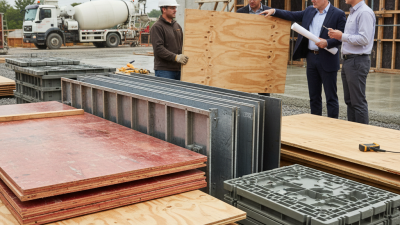
Traditional timber formwork is one of the oldest methods. It is cost-effective and easy to handle. However, it may not provide the desired durability and precision, leading to a need for frequent repairs.
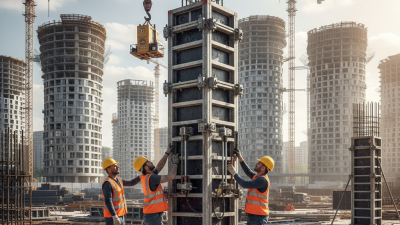
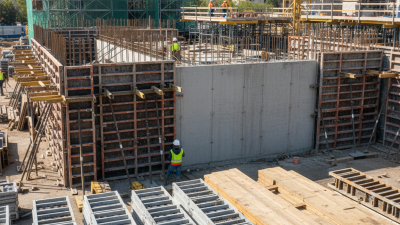
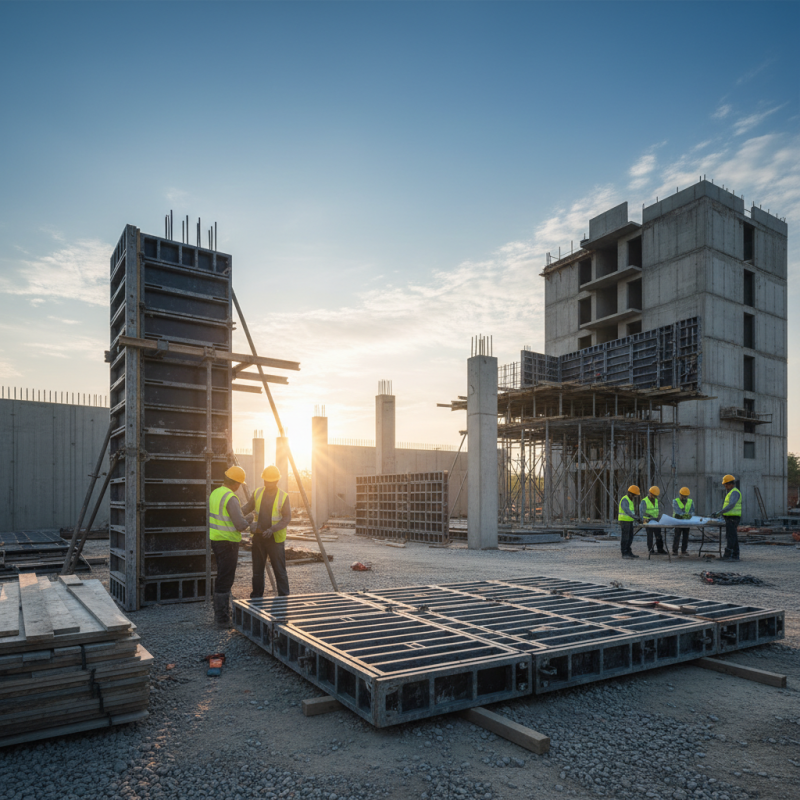
Metal formwork has gained popularity due to its durability. It offers strong support and can withstand harsh conditions. Its reusable nature can reduce costs over time. On the downside, it requires more expertise to set up. Failing to follow proper procedures can lead to structural issues.
Plastic formwork is another option that's lightweight and user-friendly. It is resistant to water and corrosion, making it ideal for various applications. However, it may not support heavy loads. The choice of formwork depends on the specific needs of your project. Factors like budget, project size, and expected load should be considered carefully to avoid mistakes.
Assessing Your Project Requirements for Formwork Selection
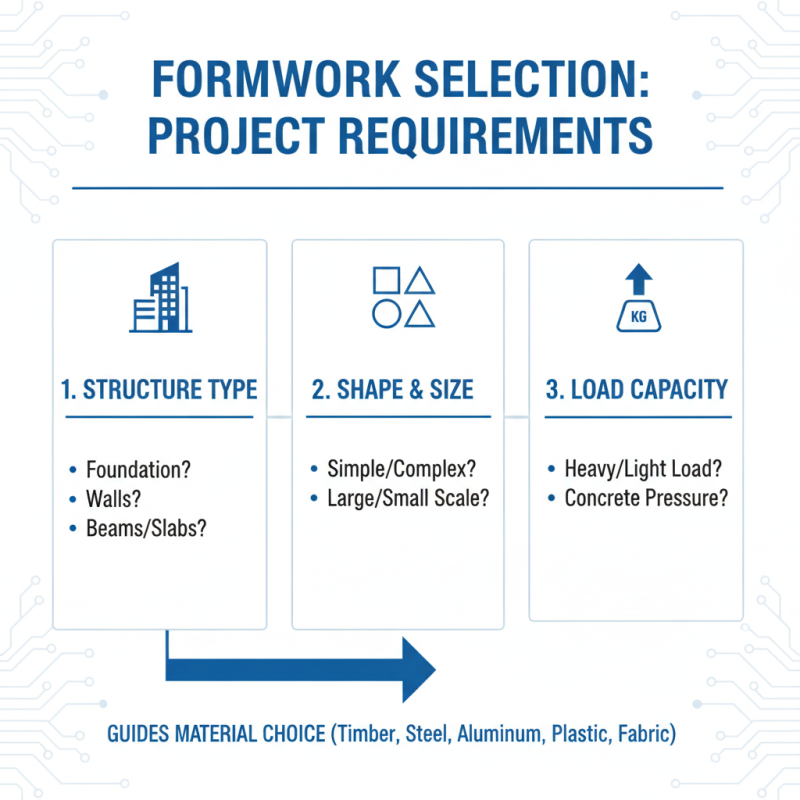
Choosing the right cement formwork for your project begins with understanding its specific requirements. Each project comes with unique challenges, whether regarding the desired shape, size, or load-bearing capacity. Consider the type of structure you are building. Are you constructing a foundation, walls, or perhaps beams? Knowing this will guide your selection process.
Next, assess the environmental conditions. Will the formwork be exposed to extreme temperatures or moisture? This can affect the material’s integrity and the curing process of the cement. Opt for formwork solutions suited to these conditions. Sometimes, it's tempting to choose the cheapest option. However, not investing in quality can result in higher costs later due to failures or rework. Balancing cost against durability is crucial.
Also, think about the timeline and labor involved. If time is tight, modular systems might be a good choice for speed. However, they can be more expensive upfront. Reflect on the skills of your team. Can they work with complex systems, or would simpler configurations yield better results? Each decision has implications; careful consideration of these details will lead you to a fitting choice.
Evaluating Material Options for Durability and Cost-Effectiveness
When selecting the best cement formwork, evaluating material options is crucial for both durability and cost-effectiveness. Various materials like wood, steel, and aluminum have distinct advantages and limitations.
Wood is often the least expensive but can be less durable. It may require reinforcement to withstand the pressures of wet concrete. Steel offers great strength and longevity but can be cost-prohibitive for some projects. Meanwhile, aluminum combines lightness and durability, making it easier to handle.
Cost considerations should also include maintenance and reusability. Steel forms can be reused many times, making them cost-effective for large projects. However, they can rust if not properly maintained. Wooden forms can be less durable, leading to increased disposal costs after use. It's essential to think critically about the full lifecycle costs of each material.
Factors like availability, labor costs, and local climate also affect your final decision. Reflecting on these aspects ensures that you choose an option that meets budgetary constraints without sacrificing quality.
Considering Ease of Assembly and Disassembly in Formwork
Choosing the right cement formwork is crucial for any construction project. A key factor to consider is the ease of assembly and disassembly. This can significantly affect your project's efficiency and budget. When workers spend less time on setup, they can focus on the core tasks.
Before selecting formwork, evaluate the complexity of assembly. Some forms require specialized tools or extensive labor. Others can be snapped together easily and do not need additional equipment. This simplicity can lead to labor cost savings. It also reduces the risk of injuries on-site.
Keep in mind that disassembly can also pose challenges. A design that allows for quick and safe disassembly can improve workflow. Formwork pieces that stack neatly take up less space. This feature can be a real advantage for projects with tight timelines.
Tips: Always check the weight of the formwork. Heavy materials can complicate assembly. Look for options with built-in handles or lift points. Also, assess how the formwork will hold up under different conditions. Frequent changes in weather can impact the performance of various materials. Be sure to think about these factors before making a decision.
Comparison of Ease of Assembly and Disassembly of Common Cement Formwork Types
This chart displays a comparison of the ease of assembly and disassembly of various types of cement formwork. The ratings are on a scale of 1 to 10, providing insight into which formwork types may be more suitable for projects based on their assembly and disassembly efficiency.
Analyzing Environmental Impact and Sustainability of Formwork Choices
When selecting cement formwork, consider its environmental impact and sustainability. Formwork materials directly affect the carbon footprint of construction projects. According to a report by the International Energy Agency, building operations account for 36% of global energy use and 39% of carbon emissions. Using eco-friendly formwork can significantly reduce these figures.
Wooden formwork, for instance, has a lower environmental impact than traditional materials. It is renewable and biodegradable. However, sustainable forestry practices are essential. Overharvesting can lead to deforestation, which has long-term consequences on biodiversity. On the other hand, plastic and metal formworks offer durability. Their initial environmental cost is higher due to production energy, but they can be reused multiple times.
Energy-efficient design is crucial in choosing formwork. Effective insulation and modular designs can minimize waste. The design phase should assess potential environmental impacts. However, the challenge lies in balancing cost and sustainability goals. Savings may tempt some to overlook greener options. It's important to weigh these factors thoroughly to ensure responsible choices in modern construction.
How to Choose the Best Cement Formwork for Your Project? - Analyzing Environmental Impact and Sustainability of Formwork Choices
| Formwork Type |
Materials Used |
Cost per Square Meter |
Reusability |
Environmental Impact |
Sustainability Rating |
| Plywood Formwork |
Plywood, Steel |
$25 |
3-5 times |
Medium |
B |
| Metal Formwork |
Aluminum, Steel |
$40 |
10+ times |
Low |
A |
| Plastic Formwork |
PVC, Polypropylene |
$30 |
5-10 times |
Medium |
B+ |
| Fiber Concrete Formwork |
Fiber-Reinforced Concrete |
$35 |
5-7 times |
Low |
A- |