Top Types of Timber for Concrete Formwork Explained
Concrete formwork is a crucial aspect of construction projects. The choice of timber for concrete formwork can significantly impact the project's efficiency and durability. Selecting the right type of timber ensures the concrete is held in place correctly, preventing unnecessary costs and delays. Many factors influence this decision, such as the type of project, budget, and environmental conditions.
Common types of timber for concrete formwork include plywood, softwood, and engineered wood products. Each type has its strengths and weaknesses. For instance, plywood offers excellent resistance to water, while softwood is cost-effective but may not hold up under heavy loads. Understanding these differences is essential for making informed choices.
However, challenges can arise when using timber for concrete formwork. Issues like warping, cracking, and moisture absorption may lead to complications. Therefore, it's vital to weigh the pros and cons carefully. Engaging with experienced professionals can help navigate these choices and optimize project outcomes.
Types of Timber Commonly Used in Concrete Formwork
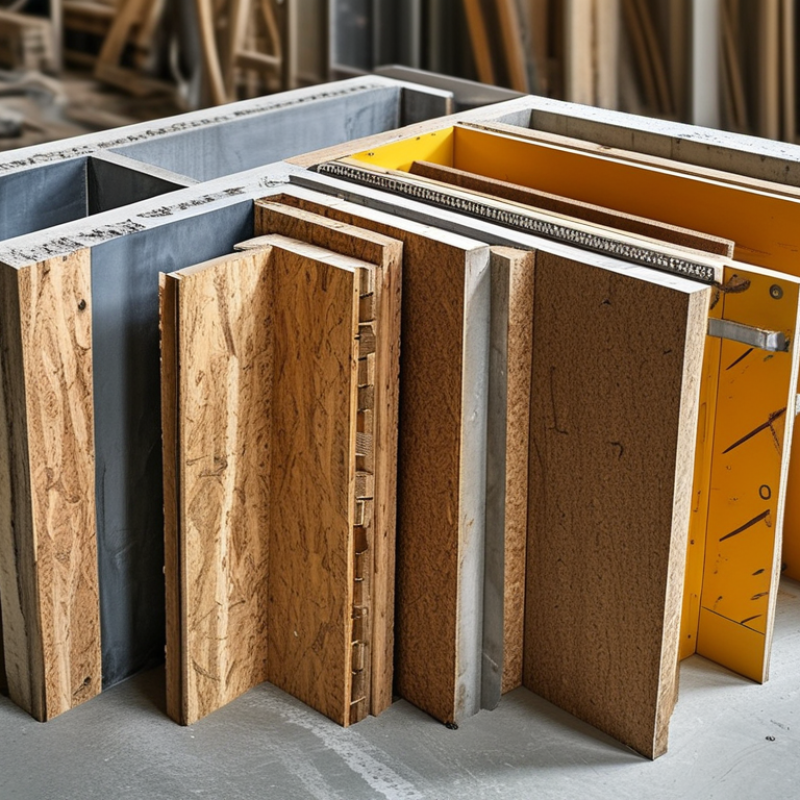
Concrete formwork relies on various types of timber to deliver reliable results. Key timber choices include plywood, which is often used due to its strength and flexibility. Plywood can easily be cut and shaped to fit specific project requirements. It's essential for creating smooth surfaces.
Another popular choice is oriented strand board (OSB). It offers durability at a lower cost compared to plywood. However, OSB can absorb water quickly, leading to potential damage. Proper sealing is crucial when using OSB.
Tips: Consider the climate of your construction site. In wet environments, choose water-resistant types of timber. Always inspect the timber for defects before use. Ensure that it meets your project specifications.
Lastly, softwoods like pine and fir are commonly used for formwork. They are lightweight and easy to work with. Yet, they may warp or split under stress. Always evaluate the load requirements of your project to ensure that the selected timber can withstand them effectively.
Top Types of Timber for Concrete Formwork Explained - Types of Timber Commonly Used in Concrete Formwork
| Type of Timber |
Characteristics |
Durability |
Common Uses |
| Plywood |
Strong, engineered wood made of multiple layers. |
High resistance to moisture and warping. |
Commonly used for walls, slabs, and beams. |
| Timber Planks |
Solid wood, easily accessible and versatile. |
Moderate to high durability depending on treatment. |
Used for formwork and scaffolding. |
| Oriented Strand Board (OSB) |
Made from compressed wood strands. |
Good moisture resistance, suitable for short-term use. |
Used in temporary formwork and panels. |
| Laminated Veneer Lumber (LVL) |
High strength due to thin layers bonded together. |
Excellent durability and stability. |
Ideal for heavy-load applications in formwork. |
| Plywood Spacer |
Flexible and lightweight sheets of plywood. |
Good for temporary setups, easily replaceable. |
Used for spacing in concrete formwork. |
Characteristics of Softwood vs. Hardwood for Formwork
When choosing timber for concrete formwork, understanding softwood and hardwood is essential.
Softwoods, like pine and fir, offer lightness and flexibility. They are generally easier to work with, making them popular for temporary structures. However, they can absorb moisture, leading to warping. This characteristic might affect the final concrete finish, so careful selection is vital.
In contrast, hardwoods such as oak and maple provide exceptional durability. They resist wear and deformation, making them suitable for repeated use. However, hardwoods are heavier and often more expensive. This could lead to increased labor costs during installation and removal. Balancing cost and performance is key when deciding.
Tips for formwork selection: Always consider the climatic conditions of your project. Different woods respond uniquely to moisture and temperature changes. Additionally, inspect for knots and defects before use. Even slight imperfections can lead to significant issues in concrete quality. Prioritizing reliable timber will save time and money in the long run.
Always test samples if possible to ensure suitability for your specific project needs.
Advantages of Plywood in Concrete Formwork Applications
Plywood is a preferred choice in concrete formwork applications for several compelling reasons. It is lightweight yet robust, allowing for easier handling and transportation. Its versatility makes it suitable for various shapes and sizes, accommodating different design requirements. Plywood also provides a smooth surface finish, which minimizes the need for additional treatments on the concrete.
One notable advantage of plywood is its durability. Under proper conditions, it can withstand multiple uses, thereby reducing material costs over time. However, its performance depends on the quality of plywood used. Lower-grade options may lead to warping or breakage, impacting the overall project quality. Careful selection and proper storage are essential to maximize efficiency.
Another aspect to consider is waterproofing. Some plywood types come pre-treated, offering resistance to moisture. Yet, even with treated plywood, care is needed to prevent water damage. Overall, while plywood has many benefits in concrete formwork, attention to detail in selection and usage is vital to achieve the desired results.
Top Types of Timber for Concrete Formwork
Evaluating Engineered Wood Products for Durability in Formwork
When evaluating engineered wood products for concrete formwork, one must consider durability as a critical aspect. According to a report by the American Concrete Institute, the lifespan of formwork directly affects project efficiency and costs. Engineered wood products like plywood and LVL (laminated veneer lumber) often provide optimal strength and resistance to deformation under load. Many industry experts recommend a minimum thickness for formwork materials to withstand high-pressure concrete pours.
The performance of these products varies under different environmental conditions. A study by the Wood Products Council indicates that exposure to moisture can significantly decrease the durability of certain engineered woods. For example, plywood loses about 20% of its strength when exposed to wet conditions for extended periods. This is particularly relevant in regions where the weather can fluctuate dramatically. Choices must be made carefully.
Understanding factors like grain orientation and adhesive quality is crucial. High-quality adhesives enhance moisture resistance. Poor selections can lead to early material failure. These choices require reflection, as long-term savings come from proper upfront selection. It’s vital to assess the specific project needs to choose the right type of engineered wood. The ideal product is one that balances performance with environmental adaptability.
Best Practices for Selecting Timber for Concrete Formwork Projects
When selecting timber for concrete formwork, consider durability and moisture resistance.
It's vital to choose high-quality timber, as it directly impacts the formwork's strength and reliability. Look for hardwoods or treated softwoods that can withstand the weight and tension of wet concrete. Proper selection prevents warping or damage, ensuring clean lines in your concrete finish.
Check for defects in the timber, such as knots or cracks. These imperfections can weaken the structure. Always inspect pieces before use. If you notice any irregularities, it's better to discard them. A strong foundation starts with good material choices, but many contractors overlook this critical step.
Another key factor is the timber's surface treatment. Utilizing treated timber can enhance its lifespan and performance in wet environments. Without proper treatment, timber can rot or break down quickly. This oversight might lead to costly rework.
Take the time to understand the various options available. Consultation with experts in timber and concrete can provide valuable insights into the best practices for your project.