How to Choose the Best Adjustable Column Formwork for Projects?
Choosing the best adjustable column formwork is crucial for any construction project. This decision impacts the quality and efficiency of the build. According to a recent report by the Global Formwork Market, the demand for adjustable column formwork has risen by 20% in the last five years. This surge reflects the increasing emphasis on structural integrity and cost-efficiency in construction.
Industry expert John Smith emphasizes, “The right selection of adjustable column formwork can drastically reduce labor costs and enhance productivity.” His insight underlines the importance of understanding the specific project requirements. Selecting adjustable column formwork is not just about the cost. It's about maximizing the value it brings to your project.
Choosing adjustable column formwork requires careful consideration. The market offers various materials and designs. Understanding strengths and weaknesses is essential. A well-informed choice leads to better project outcomes. However, engineers must reflect on their experiences with past projects. What worked? What didn't? A critical evaluation of previous selections can guide future decisions effectively.
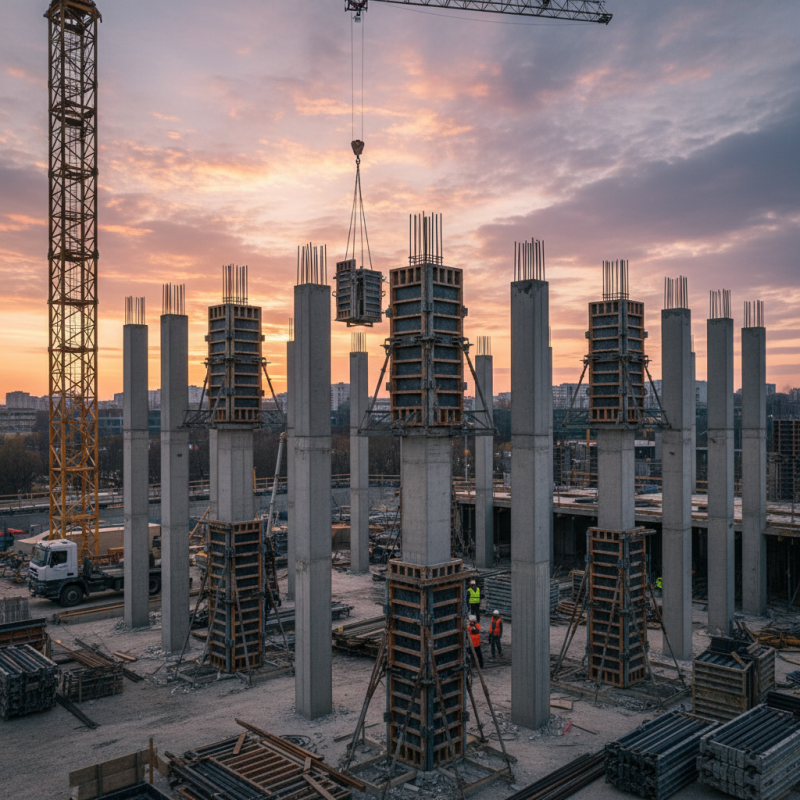
Factors to Consider When Selecting Adjustable Column Formwork
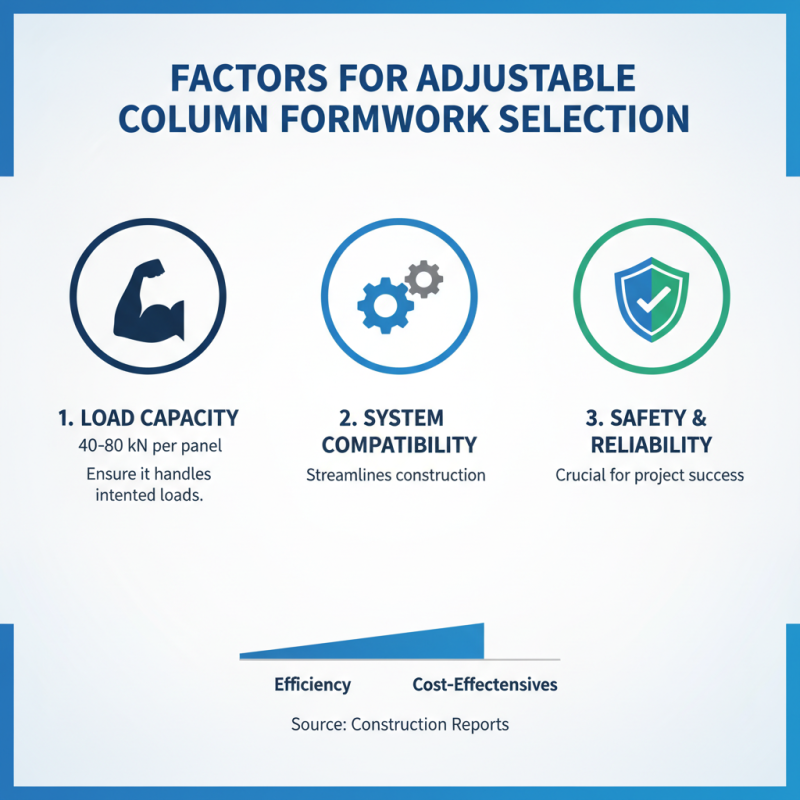
When selecting adjustable column formwork, several crucial factors come into play. One key consideration is load capacity. Reports indicate that the average load-bearing requirement in construction can range from 40 to 80 kN per panel. Ensure the chosen formwork can handle the intended loads safely. Additionally, compatibility with other systems can streamline the construction process.
Another important aspect is material durability. Steel formwork boasts a longer lifespan compared to timber, which can be prone to rot or warping. Studies show that steel can withstand up to 300 cycles of use, while timber often fails after just 10 to 20. This factor highlights the investment potential in choosing a durable option.
Cost-effectiveness must also be analyzed. While high-quality formwork may have an upfront cost, it often results in savings over time. Less frequent replacements and lower maintenance can significantly reduce overall project expenses. Contractors should perform a life-cycle cost analysis to ensure profitability. Making informed choices in these areas contributes to a successful building project.
Comparing Material Durability and Cost of Formwork Options
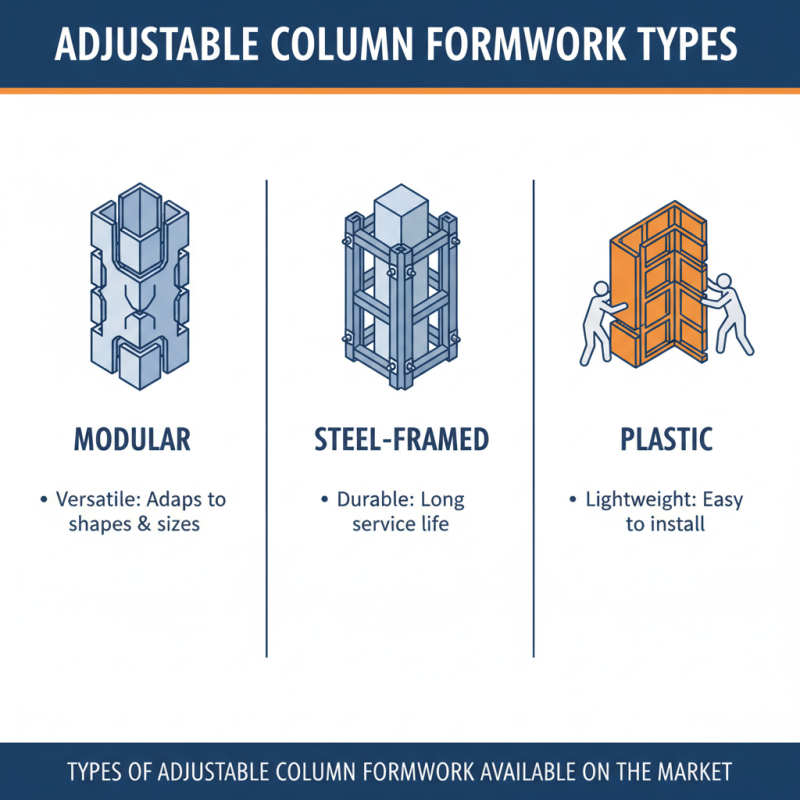
When selecting adjustable column formwork for construction projects, material durability and cost are crucial factors. Various materials, such as steel, aluminum, and plastic, offer distinct advantages.
Steel formwork is known for its strength and longevity. It holds up well under pressure but comes at a higher initial cost. Aluminum is lighter and easier to handle, reducing labor expenses. However, it may not withstand heavy loads as effectively as steel.
Plastic formwork is cost-effective and resistant to moisture. Its lifespan is shorter compared to metal options, but it’s ideal for smaller projects. When considering durability, think about project demands. A longer-lasting formwork might save money over time despite a higher upfront cost. Evaluate the specific conditions of your site. Extreme weather or heavy loads can affect your choice.
Budget constraints can complicate decisions. Always calculate the total cost of ownership, not just initial investment. Misjudgments here can lead to costly delays. Take time to assess all options. The right formwork depends on balancing material durability with budget. Each project requires careful consideration and reflection on these elements. A thoughtful choice can enhance the success of your construction efforts.
Evaluating Ease of Assembly and Disassembly for Productivity
When selecting adjustable column formwork, consider how easy it is to assemble and disassemble. Efficiency in these processes can significantly impact overall project productivity. Complicated systems may lead to delays and frustration. Simple designs that allow for quick adjustments can save time and resources.
Take time to evaluate the materials used in construction. Lightweight yet durable options can enhance ease of use. Heavy forms can be cumbersome, slowing down workers. Pay attention to the locking mechanisms as well. Proper functionality ensures safe and efficient assembly. If these mechanisms are not reliable, they can become a major headache on-site.
Additionally, reflect on the training required for workers. Some adjustable column forms require specialized knowledge. This can lead to increased labor costs if your team is not familiar with them. Inadequate training can result in errors and reduced effectiveness. Consider incorporating user feedback to gauge the practical aspects of the formwork you are considering. Experience from past projects can guide you toward a more suitable choice.
Productivity Analysis of Adjustable Column Formwork
Safety Features and Standards in Adjustable Column Formwork Systems
When selecting adjustable column formwork, safety features are paramount. These systems support heavy loads during construction. A robust design reduces the risk of collapses, which can lead to accidents. Inspecting the material quality is crucial. Strong steel and reinforced plastic ensure durability. Proper maintenance helps prevent wear and tear over time.
Something too often overlooked is compliance with safety standards. Each region has specific regulations to uphold. Contractors should consult local guidelines before choosing a system. Features like locking mechanisms and secure braces play a vital role in stability. Additionally, adjustable formworks should have user-friendly designs. Complex systems can lead to confusion and mistakes.
Training workers on safety practices is often underestimated. Educating staff on the correct use minimizes hazards. However, even experienced teams can make errors. Regular safety audits can help identify potential risks. Unexpected issues can arise from worn-out components or improper assembly. Continuous evaluation is essential for maintaining safety.