Best Formwork Solutions for Construction Projects Worldwide?
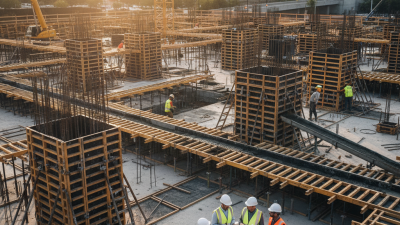
In the world of construction, understanding about formwork is crucial. Formwork serves as the backbone of concrete structures, shaping the foundation of buildings and bridges. It supports the heavy loads of wet concrete, ensuring stability during the curing process. The efficiency and quality of formwork can greatly impact project timelines and budgets.
Recent advancements offer innovative solutions to age-old challenges. However, not all systems are perfect; some may present unique complications. A significant issue is selecting materials that suit specific project demands. Builders must weigh costs against durability and ease of assembly.
Formwork innovations also evolve with technology, enhancing craftsmanship. Yet, reliance on complex systems can lead to errors if workers lack proper training. It’s vital to ensure teams thoroughly understand their tools. Poor decisions about formwork can result in structural weaknesses, requiring costly revisions. The journey toward optimal formwork solutions is ongoing, filled with lessons learned and best practices established through experience.
Types of Formwork Used in Construction Projects Worldwide
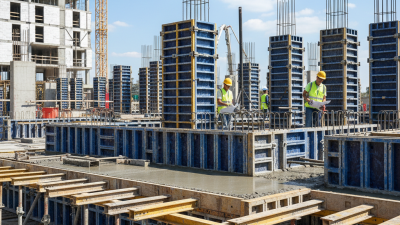
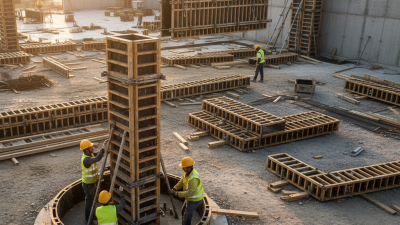
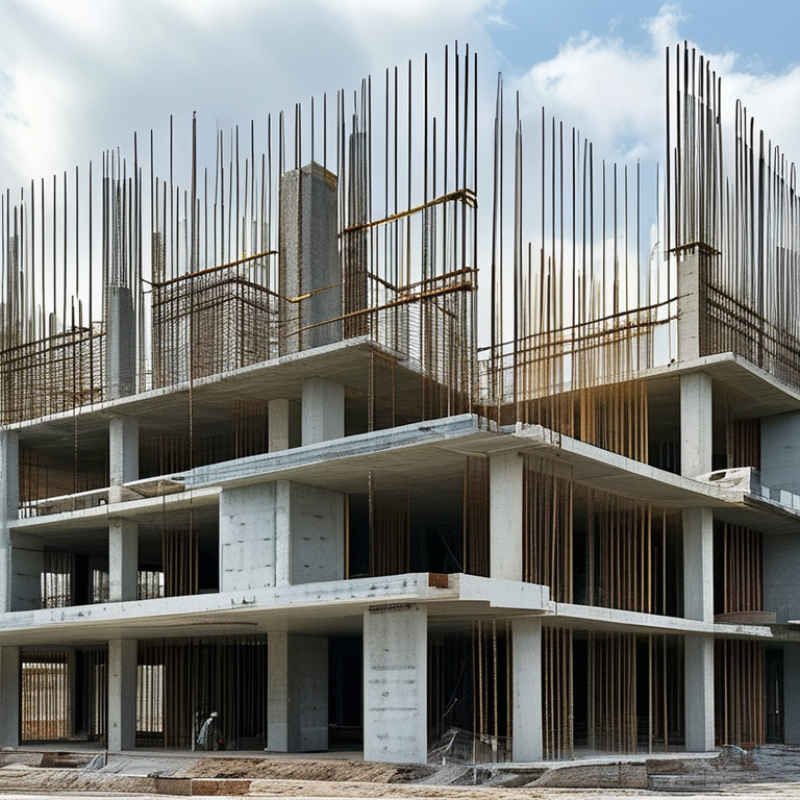
Formwork plays a crucial role in construction projects around the globe. It provides the necessary mold for concrete until it hardens. There are various types of formwork, each with specific advantages. Traditional timber formwork is commonly used due to its availability and cost-effectiveness. However, it can be labor-intensive and subject to variability in quality.
Steel formwork is another popular option. Known for its durability, it can be reused multiple times, reducing material waste. A recent industry report indicated that using steel formwork can decrease overall project costs by approximately 20%. However, initial investment costs are higher compared to timber. It's essential to analyze project needs carefully.
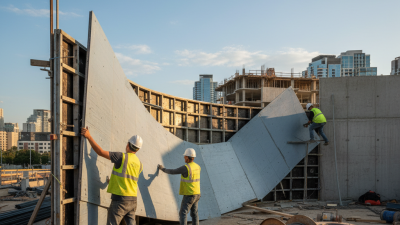
Aluminum formwork is gaining traction for its lightweight and efficient design. It allows for faster assembly and dismantling. Yet, some contractors have found that its initial setup can be complex, requiring skilled labor. Having robust training and support in place is critical for maximizing productivity.
Consider these factors when choosing formwork solutions. Assess the project scale and budget. Each type has its pros and cons, so weigh these carefully against your construction timeline and labor capabilities.
Factors to Consider When Choosing Formwork Solutions
When selecting formwork solutions for construction projects, various factors come into play. One essential aspect is the material used for the formwork. Options like timber, steel, or plastic each offer unique benefits. Timber is lightweight and easy to work with, while steel provides durability and a longer lifespan. Plastic is often reusable, contributing to sustainability. Cost also varies significantly among these materials, influencing budget decisions.
Another critical consideration is the project timeline. If a project is time-sensitive, fast-install formwork systems may be a priority. These systems can reduce labor time, enhancing overall efficiency. However, speed should not compromise safety. A reliable formwork solution must provide structural integrity and adaptability to various project needs. Not every solution works seamlessly for every project; reflection on past experiences is crucial to avoid costly mistakes.
Furthermore, regional regulations and climate conditions can affect formwork choice. In some areas, excessive moisture may warrant waterproof form materials. In colder climates, materials need to withstand freezing temperatures. The ability to adapt formwork to specific environmental challenges adds complexity to the decision-making process. It's essential to consult with experts and gather insights to find the best-suited solution for your project.
Best Formwork Solutions for Construction Projects Worldwide
The following bar chart illustrates the distribution of different formwork solutions used in construction projects globally. It highlights the popularity of each type of formwork based on recent data.
Innovative Formwork Technologies and Their Benefits
Innovative formwork technologies play a vital role in enhancing the efficiency of construction projects. These tools allow for faster assembly and disassembly, ultimately reducing labor costs and project timelines. Modern materials, like aluminum and plastic composites, offer lightweight solutions that improve safety and productivity on site. Additionally, automated formwork systems have emerged, enabling precise measurements and enhanced quality control.
Using innovative formwork can significantly impact project success. It allows for creative architectural designs previously considered too complex. The flexibility of these systems can adapt to various project requirements, leading to fewer delays. Builders must, however, evaluate their specific needs carefully. Not every technology fits every situation. Balancing cost, efficiency, and structure stability is essential when selecting the right formwork.
Consider modular forms to simplify the construction process. They can be reused across multiple projects, offering sustainability benefits. Always assess the potential for rework. Poor planning might lead to wasted resources, both time and materials. Investing in training for construction teams can also optimize the use of modern formwork solutions. Proper knowledge ensures that innovative tools are used effectively, resulting in higher quality outcomes.
Best Practices for Installing and Managing Formwork
In construction projects, managing formwork effectively is crucial. Successful installation begins with meticulous planning. Teams should always evaluate the site conditions, ensuring proper measurements. A well-planned approach reduces errors and improves safety.
One common mistake is overlooking the importance of materials. Using subpar or unsuitable materials can lead to structural failures. Always assess the compatibility of the formwork system with the concrete used. This can help avoid costly repairs later.
Communication among team members is vital. Encourage open discussions regarding potential challenges during installation. Regular check-ins can identify issues early, allowing for timely adjustments. Monitor the progress constantly; this helps in maintaining the schedule without compromising safety or quality.
For optimal results, consider feedback after each project. Reflecting on the installation process can reveal areas for improvement. Document any challenges faced and how they were addressed. This practice fosters a culture of continuous improvement, enhancing overall efficiency in future projects.
Case Studies of Successful Formwork Applications Globally
Formwork plays a critical role in construction projects around the world. A notable case study is the use of modular formwork systems in large-scale infrastructure projects. According to industry reports, companies that adopted these systems report a 30% reduction in labor costs. This shift not only enhances efficiency but also addresses material waste. An instance from a recent urban development project in Europe showcased how modular formwork facilitated quick assembly and disassembly, adapting to varying architectural designs.
Some projects, however, have faced challenges. In regions with fluctuating climate conditions, formwork often requires adjustments to maintain structural integrity. For instance, a major building project in Southeast Asia experienced delays due to unexpected weather impacts on the curing process. Reports suggest a need for better planning and contingency measures in these scenarios. Construction firms are now more focused on using weather-resistant materials for formwork, which can mitigate these issues.
Recent data indicates that 65% of construction projects either exceed budgets or deadlines due to formwork-related inefficiencies. A project in Australia had to implement rework after initial formwork designs failed to meet safety standards. Such examples highlight the necessity for continuous improvement and innovation in formwork solutions. Construction professionals are encouraged to invest in training and technology to enhance the reliability of formwork applications.
Best Formwork Solutions for Construction Projects Worldwide
| Project Location |
Project Type |
Formwork Type |
Key Features |
Construction Duration |
Success Metrics |
| Tokyo, Japan |
High-Rise Building |
Climbing Formwork |
Efficient in vertical construction |
18 months |
20% time reduction |
| London, UK |
Bridge Construction |
Table Form |
Allows continuous pouring |
6 months |
15% cost savings |
| Sydney, Australia |
Residential Complex |
Aluminum Formwork |
Lightweight and quick |
12 months |
25% more units |
| Dubai, UAE |
Commercial Tower |
Plastic Formwork |
Reusable and eco-friendly |
24 months |
10% reduction in waste |
| Rio de Janeiro, Brazil |
Cultural Center |
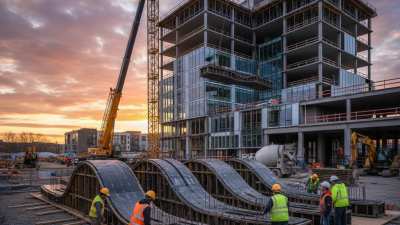
Fabric Formwork |
Creative shapes and textures |
9 months |
Enhanced aesthetic appeal |