Top 10 Construction Formwork Solutions for Global Buyers?
In the construction industry, formwork plays a critical role in shaping and supporting concrete structures. Choosing the right construction formwork solution can significantly impact efficiency and project outcomes. Global buyers must navigate various options, from traditional wood to advanced modular systems. Each type has unique benefits and challenges.
The market is filled with innovative construction formwork solutions. These products aim to enhance productivity while maintaining safety standards. However, not all solutions are suitable for every project. Buyers need to consider specific project requirements, labor costs, and sustainability goals.
Quality and durability are essential factors. High-quality formwork can reduce waste and minimize delays. Conversely, poorly designed systems may lead to costly mistakes. When exploring options, buyers should evaluate both technical specifications and user experiences. This ensures that their choice aligns with industry standards and their project vision.
Key Features of Construction Formwork Solutions
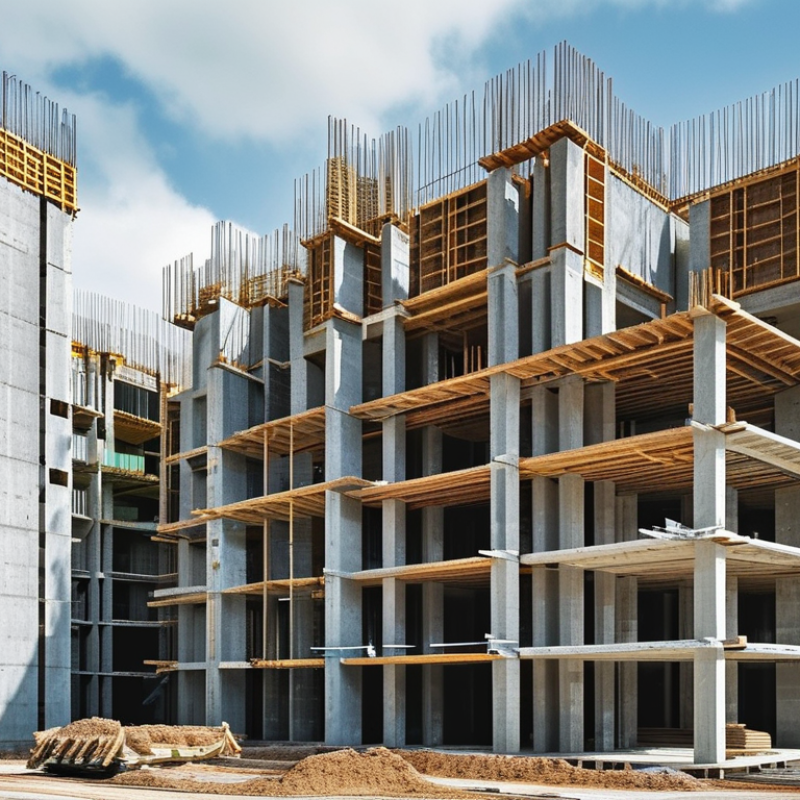
Construction formwork solutions are essential for shaping concrete structures. Understanding their key features is vital for buyers. These solutions vary widely in materials, durability, and ease of use.
One of the most significant features is versatility. Formwork systems can adapt to various building shapes and sizes. This flexibility enhances the efficiency of construction projects. Additionally, the material choice affects strength and weight. Aluminum, steel, or wood can alter the overall performance. Buyers often overlook how this choice impacts labor costs and installation times.
Another aspect is the potential for reusability. High-quality formwork can be used repeatedly, reducing waste. However, some buyers may underestimate maintenance needs. Deterioration can occur if not properly cared for. Regular inspections are crucial to ensure safety and durability. Moreover, understanding local regulations can prevent costly mistakes. Each project demands careful consideration of these factors for the best outcomes.
Types of Formwork Systems: Traditional vs. Modern Approaches
In the construction industry, formwork systems play a crucial role. Traditional formwork, often made from wood or metal, has been the backbone of building techniques for decades. It is typically labor-intensive and may require significant material handling. This can lead to delays and increased costs. While these systems have proven effective, their limitations are prompting a shift toward modern alternatives.
Modern formwork solutions utilize advanced materials and technologies. For instance, reusable plastic forms are lightweight and easy to handle. They reduce waste and labor, significantly speeding up project timelines. Panelized systems offer flexibility in design and can accommodate various structural needs. However, such systems can also be expensive upfront. Buyers must weigh the immediate costs against long-term benefits.
The choice between traditional and modern formwork systems often comes down to project specifics. Experience in the field shows that local climate and construction practices influence this decision. Adapting to these factors is essential for success. Overall, exploring different options, from traditional wood to innovative systems, can enhance project outcomes. It's a complex landscape that demands careful thought and ongoing learning.
Top 10 Construction Formwork Solutions for Global Buyers
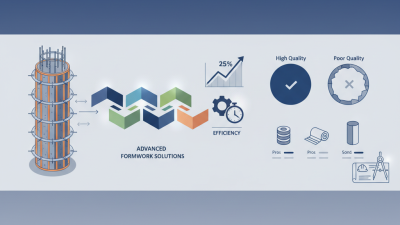
This chart illustrates the popularity of various construction formwork solutions among global buyers, rating each system on a scale from 1 to 10 based on their adoption in recent projects.
Material Choices in Formwork: Wood, Steel, and Plastic Options
When it comes to construction formwork solutions, the choice of materials is critical. Wood, steel, and plastic are the primary options each with its pros and cons. Wood is traditional and often appreciated for its ease of use. It can be shaped and cut on-site, making it versatile for various designs. However, wood may not be the best choice for all projects. It can warp, swell, or decay over time, depending on environmental conditions.
Steel formwork offers strength and durability. It is reusable, making it cost-effective over multiple projects. Yet, the heavier weight of steel can complicate handling and transportation. Additionally, the initial investment is higher compared to wood. Not all construction sites might be equipped to deal with the intricacies of steel formwork. On the other hand, plastic formwork is lightweight and resistant to corrosion. It generally provides a smooth finish, but it might not be sturdy enough for large-scale construction.
Choosing the right material should reflect both the project's requirements and the long-term implications. Consideration must be given to cost, environmental impact, and desired outcomes. Each material presents unique challenges and benefits. Ensuring that these aspects align with construction goals is essential. Hence, open discussions about material choices are vital in the planning stages.
Innovative Techniques in Formwork Design and Implementation
The construction industry has seen significant innovations in formwork design and implementation. Recent reports indicate that the global formwork market is expected to reach USD 7 billion by 2025, with a CAGR of over 6% from 2020. This growth is driven largely by advancements in modular and reusable formwork systems. Companies are increasingly recognizing the benefits of sustainable practices and cost-effective solutions.
Innovative techniques such as 3D printed formwork are gaining traction. This method reduces waste and enhances customization for unique architectural designs. A 2022 study highlighted that utilizing 3D printing in formwork could cut costs by up to 30%, demonstrating not only economic efficiency but also a shift towards greener construction methods. However, challenges remain, such as the learning curve for new technology and regulatory limitations.
Precast concrete forms have also emerged as a preferred option for many projects. They allow for faster construction and consistent quality control. Yet, these forms can require significant upfront investment that may deter some construction firms. Additionally, the logistics of transporting large precast units can complicate project timelines. Balancing innovation with practicality is crucial for designers and builders in today's fast-paced environment.
Cost Considerations and Budgeting for Formwork Projects
When budgeting for formwork projects, understanding costs is key. Formwork solutions account for nearly 30% of total construction expenses. A detailed cost analysis helps in selecting the right system while avoiding overruns. According to the International Journal of Construction Management, diverse formwork types can lead to significant price variations. For instance, traditional timber formwork may appear cheaper but can incur higher labor costs.
Moreover, project timelines heavily impact expenses. Delays can inflate costs by up to 15%, as labor and material prices fluctuate. Effective project management minimizes these risks. Engaging with local suppliers often provides insights into market trends, helping to refine budget forecasts. A 2022 report from the Construction Industry Institute highlights that more projects face budget overruns, primarily due to unexpected material costs and time extensions.
Consideration of lifecycle costs is equally important. Planning for maintenance and potential repairs impacts long-term budgeting. Each formwork solution has durability implications that could affect future expenses. Reflecting on these factors underscores the importance of a comprehensive budgeting strategy. Investing time in early cost assessments can yield benefits that exceed initial estimates.
Top 10 Construction Formwork Solutions for Global Buyers
| Formwork Type |
Material |
Cost per Unit ($) |
Weight (kg) |
Usage/Application |
Durability (Years) |
| Steel Formwork |
Steel |
120 |
45 |
High-rise buildings |
20 |
| Aluminum Formwork |
Aluminum |
150 |
30 |
Residential buildings |
15 |
| Plywood Formwork |
Plywood |
80 |
20 |
Low-rise buildings |
10 |
| Plastic Formwork |
Plastic |
60 |
15 |
Quick projects |
5 |
| Hybrid Formwork |
Wood and Steel |
100 |
40 |
Various |
12 |
| Insulated Concrete Forms (ICF) |
Polystyrene |
200 |
25 |
Energy-efficient homes |
50 |
| Climbing Formwork |
Steel |
220 |
50 |
Tall buildings |
15 |
| Modular Formwork |
Various |
180 |
35 |
Flexible projects |
20 |
| Reusable Formwork |
Steel |
150 |
40 |
Large-scale projects |
25 |
| Cardboard Formwork |
Cardboard |
30 |
10 |
Temporary structures |
2 |