China’s scale of construction makes concrete tube formwork a practical subject for engineers and procurement teams. The National Bureau of Statistics of China reported cement production of about 2.02 billion tonnes in 2023, reflecting the enormous materials base behind the country’s construction activity. The World Bank’s urban development data also shows China’s urban population has continued to grow over time. These figures do not measure formwork demand directly, but they help explain why reliable suppliers matter. Small details count: a clean tube interior, consistent wall thickness, and packaging that protects products during transport.
This guide to China’s top 10 concrete tube formwork manufacturers is intended as a starting point, not a final verdict. Supplier comparisons should consider product dimensions, moisture resistance, customization, quality-control documentation, production capacity, and delivery terms. Ask for recent samples and test whether tubes keep their shape under the conditions of your project. A polished catalogue is useful. It is not proof. Buyers should also verify certifications and claims directly, since specifications and market conditions can change. No single ranking can fit every job; that limitation deserves attention. The strongest choice is the manufacturer whose documented performance matches the required concrete finish, site conditions, and schedule.
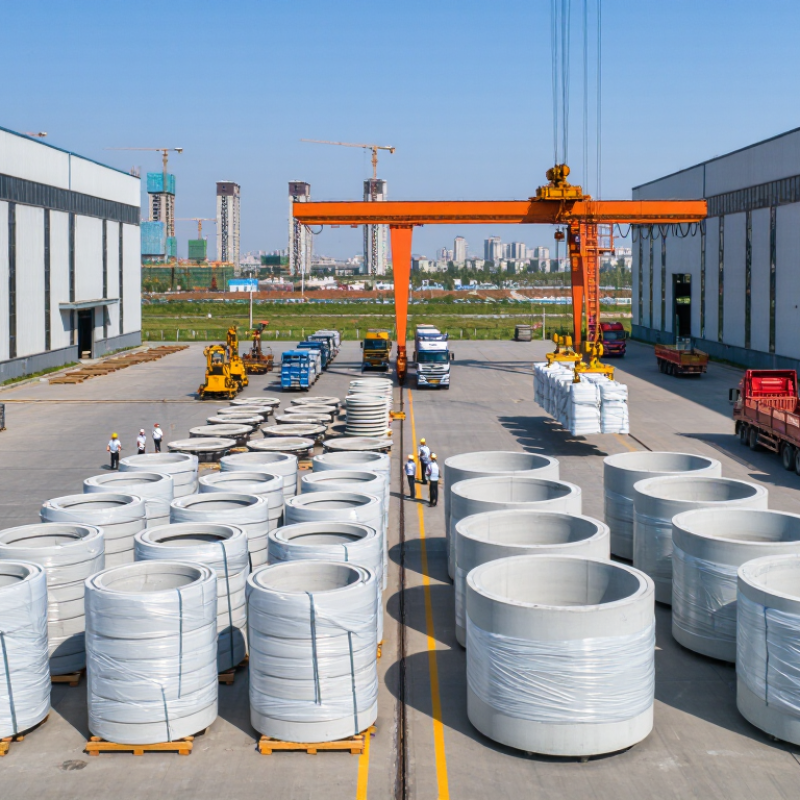
Concrete tube formwork is a hollow mold used to cast round concrete columns, piers, or posts. It holds wet concrete in a cylindrical shape until the material gains enough strength to stand on its own. Tubes are commonly made from layered paper, fiber, or other rigid materials, with the choice depending on column size, pour conditions, and how the form will be removed. Simple, but not foolproof.
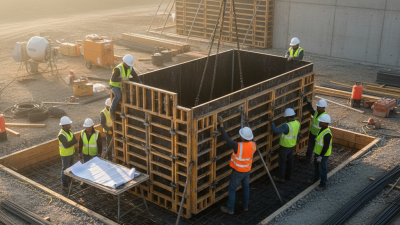
On site, workers position the tube over a prepared base, check that it is plumb, and brace it against movement. Concrete is then placed in controlled lifts and compacted carefully to reduce trapped air. A hurried pour can bulge a lightweight tube or leave voids on the finished surface. After curing for the specified period, the form is stripped if its design allows; some tubes are intended to remain in place. That detail matters. Before pouring, crews should verify dimensions, bracing, moisture exposure, and the concrete supplier’s placement guidance. Even experienced teams can miss a small lean, so checking alignment again during the pour is worthwhile. The result depends on both the form and the work around it.
China Top 10 Concrete Tube Formwork Manufacturers
How to Evaluate Concrete Tube Formwork Manufacturers in China
A reliable evaluation starts with the tube, not the catalogue. Request drawings, material specifications, and test records for the exact diameter and height you need. Check wall thickness at several points, joint alignment, and the finish inside the form. Small details matter. A rough seam can leave marks on concrete and slow stripping on site. Ask how the manufacturer controls dimensional variation between batches, then compare sample measurements with the drawings. A factory visit or live video inspection can reveal storage conditions and production practices, though neither replaces independent testing.
Production stability deserves attention. McKinsey’s 2017 report, Reinventing Construction, found construction labor productivity had grown about 1% annually over the previous two decades, far below manufacturing. That figure is not a formwork rating, but it highlights why repeatable processes and dependable delivery matter. Ask for lead-time records, packing details, and references for projects using comparable tube sizes. Confirm whether the supplier can provide replacement sections and clear installation guidance. Do not rely on one polished sample. It may not represent routine output. Compare written warranty terms and inspect how the maker handles defects, because this part can be overlooked even by experienced buyers.
Suggested evaluation weight by purchasing criterion (%)
Use these suggested weights as a practical comparison framework, not as market-survey results or ratings of specific manufacturers. Verify product specifications, quality documentation, production capacity, delivery terms, and after-sales support directly with each supplier.
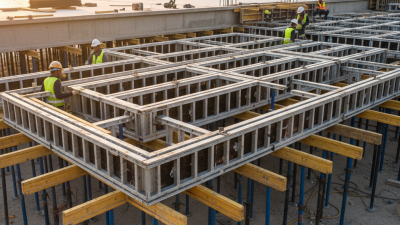
China’s leading concrete tube formwork manufacturers typically offer steel, plywood, or composite systems for casting round columns and shafts. Their capabilities often include custom diameters, adjustable clamps, surface treatments, and made-to-order lengths. Some factories can produce reusable steel forms with welded ribs that help resist concrete pressure. Others focus on lightweight panels that crews can carry and assemble on site.
Look closely at the details. A clean inner surface can reduce patching after stripping, while strong seams help limit grout leakage. Ask for drawings, material specifications, and sample inspection records before ordering. Check how the supplier handles nonstandard sizes and replacement parts. Manufacturing quality can vary between batches, and published capacity figures do not tell the whole story. I would verify fit and finish on a sample section rather than relying on photographs alone.
Tips: Confirm the required column diameter, pour height, and expected reuse cycles. Ask whether clamps, alignment hardware, and handling guidance are included. For a first order, test one assembly on a representative pour. Small gaps matter. Look for steady panel alignment, secure connections, and a surface that releases without excessive force.
China’s Top 10 Concrete Tube Formwork Manufacturers
China’s concrete tube formwork sector serves infrastructure, commercial building, and precast projects. The US Geological Survey reported global cement production of approximately 4.1 billion metric tons in 2023. That scale underscores why dependable molds matter: a poorly aligned tube can waste concrete, labor, and curing time. Small tolerances have real consequences.
A useful comparison of the top 10 manufacturers should examine more than catalog breadth. Check tube diameter and length options, wall thickness, joint design, and stated reuse cycles. Ask for dimensional inspection records and sample test documentation. On a site, inspect the seam and end ring; gaps may lead to leakage or uneven surfaces. Details count.
Technical claims should be checked against project requirements and applicable standards, not accepted from brochures alone. ACI Committee 347’s Guide to Formwork for Concrete discusses design considerations such as loads, support, and construction practice. It is guidance, not a product ranking. Request references from comparable projects, clarify delivery lead times, and confirm replacement-part availability. Even a strong factory can miss a schedule; that deserves scrutiny.
Choosing a concrete tube formwork manufacturer is less about the lowest quotation and more about fit. Check the tube’s inside diameter, wall thickness, length tolerance, and stripping method against your drawings. Ask for sample sections and measure them on site. A small mismatch can leave a rough column edge or delay the pour. Ask how the supplier controls moisture resistance and seam strength, especially if forms will be stored outdoors. Request inspection records, test methods, and clear replacement terms. Paperwork matters.
MarketsandMarkets estimated the global formwork market at about USD 6.1 billion in 2023, with a forecast of USD 8.4 billion by 2028. This broad market estimate is not specific to concrete tube forms, but it signals active supplier competition. Compare manufacturers using the same project details: required dimensions, order quantity, delivery location, and site schedule. Ask for lead-time evidence from recent comparable orders, not just a standard promise. Can they explain how damaged tubes are packed and reported? That practical detail is easy to overlook.
Evaluate technical support as carefully as price. A capable manufacturer should review column heights, pour sequence, and handling limits before production. Ask for installation guidance and a written specification, then confirm that the delivered batch matches it. Check references for projects with similar column sizes and weather conditions. Be candid about uncertainty: a factory visit or sample test cannot guarantee every shipment will be perfect. Set acceptance criteria before ordering, and keep a few spare tubes for unexpected damage.