Top 5 Best Shuttering Formwork Solutions for Construction Projects?
In the world of construction, effective shuttering formwork solutions are crucial for project success. The formwork industry has seen significant growth, with a report from Global Market Insights noting a projected CAGR of over 5% through 2027. As construction demands evolve, innovative solutions are needed to meet challenges such as labor shortages and cost management.
Expert John Smith emphasizes the importance of quality in shuttering formwork, stating, “Choosing the right formwork system can make or break a project.” This highlights the critical role that equipment selection plays in ensuring structural integrity and efficiency on site. Companies are increasingly investing in advanced materials and technology to enhance performance and safety.
However, not all formwork solutions are created equal. Some projects may face difficulties due to mismatched materials or inadequate designs. It’s essential for construction managers to evaluate their options carefully. Ultimately, the right shuttering formwork could enhance productivity and reduce costs significantly, while poor choices can lead to delays and budget overruns. The path to finding the best solutions requires discernment and a commitment to quality.

Understanding Shuttering Formwork: Definition and Importance
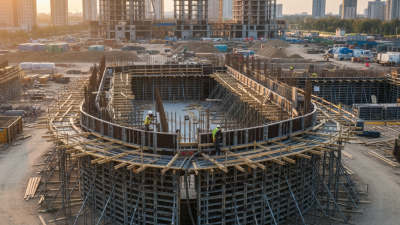
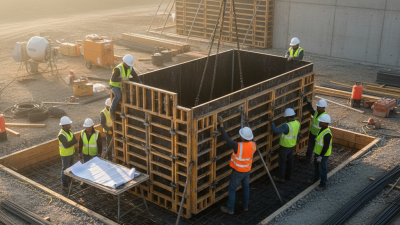
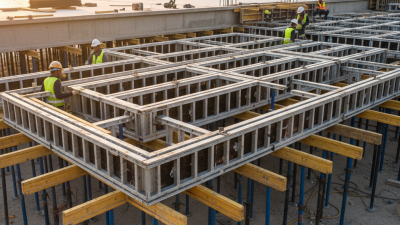
Shuttering formwork is essential in construction. It refers to temporary structures that shape concrete until it sets. This process is crucial for achieving the desired strength and durability in concrete structures. Without proper formwork, the final product may lack stability and integrity.
The importance of shuttering formwork cannot be overstated. It not only defines the shape of the structure but also ensures that the concrete is poured safely and accurately. Effective formwork minimizes waste and saves time. However, poor-quality formwork can lead to issues like leaks or misalignment, compromising the entire project. It's vital to weigh the materials and techniques used in formwork carefully.
Every construction project presents unique challenges. The choice of formwork solution must consider factors like site conditions and project scale. Relying on generic solutions might not effectively address specific needs. Construction teams must reflect on past experiences to improve future implementations. This iterative learning process enhances the reliability and efficiency of formwork systems.
Key Features to Consider When Choosing Shuttering Formwork
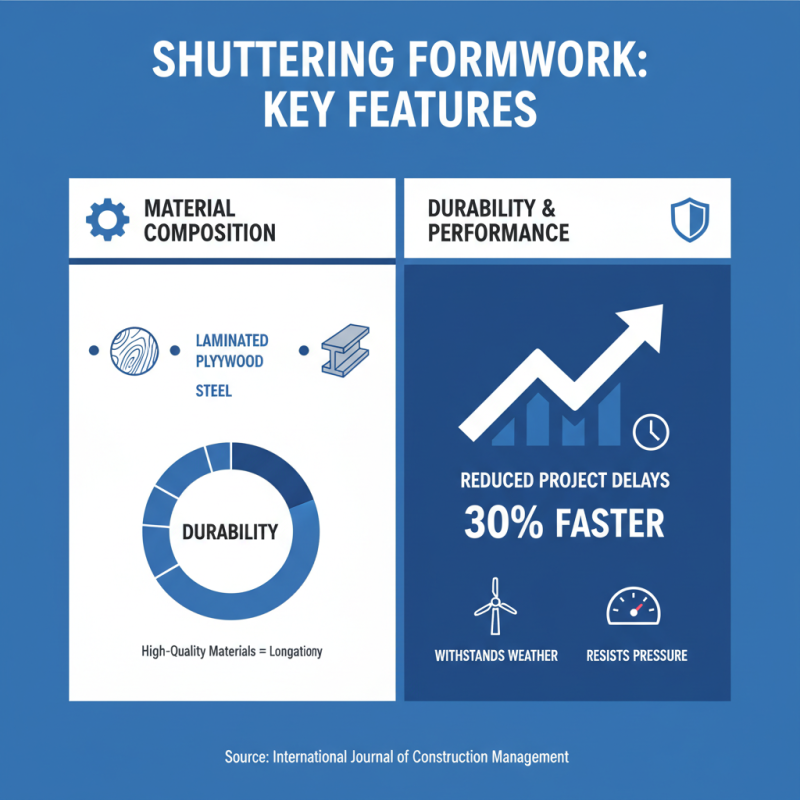
When selecting shuttering formwork solutions, key features come into play. One crucial aspect is material composition. High-quality materials, such as laminated plywood or steel, significantly impact durability. Data from the International Journal of Construction Management indicates that sturdy formwork systems can reduce project delays by up to 30%. Choosing the right materials helps withstand pressures and harsh weather conditions.
Another important factor is ease of assembly. A user-friendly design saves time and labor costs. According to a report by the World Economic Forum, labor efficiency can swell by 20% when formwork systems are easy to set up. This efficiency translates into smoother operations on site. It also reduces the risk of construction errors, allowing for quicker project turnaround.
Finally, consider load capacity. Formwork that can support higher loads ensures safer construction. A study from the American Concrete Institute highlights that inadequate load support is a leading cause of formwork failures. Contractors must assess the load requirements carefully. Balancing strength and weight will prevent excessive strain on the formwork structure.
Top 5 Shuttering Formwork Solutions: An Overview
When it comes to construction projects, choosing the right shuttering formwork is crucial. This component supports concrete until it hardens. A well-designed system reduces labor costs and enhances construction efficiency. Moreover, the right choice influences the quality of the finished product.
Several common solutions exist in the market today. One popular method is traditional timber formwork. It’s easy to customize on-site, yet it can be labor-intensive and less durable. Another option is steel formwork, known for its strength and reusability. It can be a perfect choice for large-scale projects needing precise dimensions.
However, not every solution is ideal for every project. Some systems may require more skill to assemble than others. Flexibility is also paramount; projects can change scope suddenly. Evaluating every aspect ensures that the chosen system meets both budget and timelines. Understanding these factors can lead to better decision-making and ultimately, more successful constructions.
Comparative Analysis of Each Shuttering Formwork Solution
Choosing the right shuttering formwork solution is crucial in construction. Each option has unique benefits and challenges. Here’s a comparative analysis of five leading solutions.
Steel formwork is strong and reusable. It offers great durability and precision. However, it can be heavy and require skilled labor for installation. On the other hand, aluminum formwork is lighter. It allows for quick assembly but can be costly. Many projects benefit from its efficiency.
Plastic formwork is another alternative. It's lightweight and easy to handle. Yet, it may not provide the same structural strength as metal options. Timber formwork, meanwhile, remains popular due to its availability and simplicity. But, it can be less durable, impacting long-term use.
Tips: Always analyze project requirements first. The choice depends on budget, labor availability, and project timelines. Sometimes, hybrid solutions combining materials can optimize performance. Reflect on past projects to identify what worked and what didn’t.
Another noteworthy option is insulated concrete forms. They promote energy efficiency but can complicate the construction process. Weigh the pros and cons carefully. This will allow you to choose a solution that aligns with project goals.
Top 5 Best Shuttering Formwork Solutions for Construction Projects
This chart compares five popular shuttering formwork solutions based on their average cost, durability, and ease of use ratings.
Best Practices for Implementing Shuttering Formwork in Projects
When implementing shuttering formwork in construction projects, careful planning is vital. Begin by assessing your site conditions and project requirements. Understand the loads your formwork needs to support. This ensures safety and structural integrity. You may face challenges with uneven surfaces or tight spaces. Accurate measurements and adjustments are crucial to overcoming these hurdles.
Choose materials that are both durable and lightweight. This can enhance portability and ease of installation. Consider using modular systems for flexibility. They can adapt to varying shapes and sizes. However, be prepared for occasional misalignments during the setup. Regular checks and communication among team members can help minimize errors.
Training your workforce on best practices is essential. They should know how to install and dismantle formwork safely. Regular inspections can prevent accidents. Moreover, collecting feedback from workers can provide insight into the formwork process. Their experiences often highlight areas for improvement, ensuring future projects run smoothly. Implementing these practices leads to greater efficiency and safety on-site.