Top 10 Bracing Formwork Solutions for Global Buyers?
In the construction industry, bracing formwork plays a crucial role. It ensures structural integrity during projects. As global demand grows, selecting the right solution becomes increasingly important. Buyers are often overwhelmed by numerous options available in the market.
Choosing bracing formwork is not just about price. It's essential to consider durability and reliability. The right choices can enhance safety and efficiency on-site. However, the variety of materials and designs can lead to confusion. Often, buyers may overlook critical factors that affect project outcomes.
This guide presents the top 10 bracing formwork solutions for international buyers. Each solution will be assessed based on quality, cost, and adaptability. By understanding these aspects, buyers can make informed decisions. The insights provided aim to elevate your selection process and improve overall project success.
Overview of Bracing Formwork and Its Importance in Construction
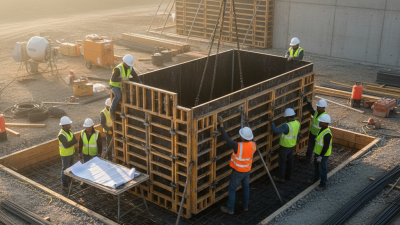
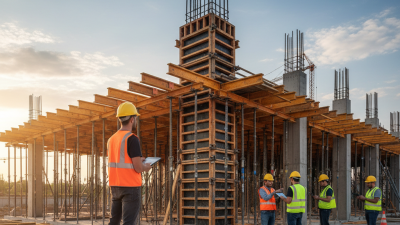
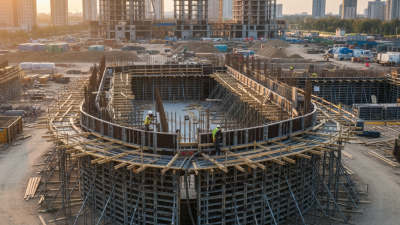
Bracing formwork plays a critical role in modern construction projects. It provides essential support during the pouring process, ensuring structures can withstand the weight of wet concrete. Proper bracing keeps the formwork aligned while allowing construction workers to carry out other tasks efficiently. Without adequate bracing, projects can face costly delays or safety hazards.
Choosing the right bracing system requires careful consideration. Each project has unique requirements that influence design choices. Factors such as load capacity, site conditions, and scheduled timelines all play a part. Some systems may prove effective while others lack the necessary support. This inadequacy can result in structural failures, underscoring the importance of selecting reliable options.
Construction professionals must prioritize quality in bracing choices. Experience will reveal which systems hold up under pressure. Regularly assessing and updating techniques is vital. The construction industry constantly evolves, and staying current ensures that safety and efficiency remain paramount. Implementing innovative solutions can lead to improvements, but it also demands reflection on past practices to avoid repeating errors.
Key Features to Consider When Selecting Bracing Formwork Solutions
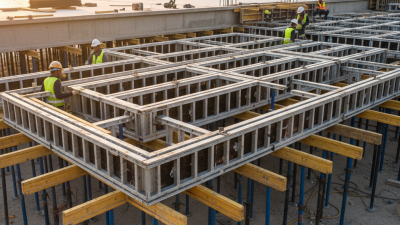
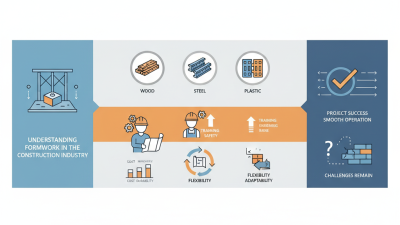
When selecting bracing formwork solutions, consider the material used. Steel and aluminum are popular choices due to their strength and durability. Steel provides excellent stability but can be heavy and rust-prone. Aluminum, on the other hand, is lightweight and corrosion-resistant, making it easier to handle on-site. Design flexibility is another key factor. A good system should adapt to different project requirements. It should also allow for easy modification as plans change.
Safety features are essential in formwork solutions. Look for systems with built-in mechanisms to prevent accidents. Guardrails, safety locks, and load indicators contribute to overall safety. Ease of assembly and disassembly is critical too. Workers should be able to set up the framework quickly and efficiently. However, maintaining a balance between speed and safety is essential. Sometimes, rushed setups can lead to oversights.
Lastly, evaluate the supporting documentation and guidance provided with the system. Detailed manuals and technical support enhance reliability. Projects often face unexpected challenges, and having access to expert advice can make a significant difference. Some solutions may lack comprehensive support, leading to confusion on-site. Be sure to consider past user reviews as well. These can offer insight into the real-world performance of these systems.
Top 10 Bracing Formwork Solutions: Criteria for Global Buyers
When considering bracing formwork solutions, global buyers must evaluate several crucial factors. The structural integrity of the formwork is paramount. It should withstand various loads while maintaining stability during construction. A reliable solution should also maximize safety for workers and minimize the risk of accidents on-site.
Another important criterion is the ease of assembly and disassembly. A solution that requires extensive training can lead to delays and increased costs. Therefore, intuitive designs and clear instructions are invaluable. Durability is key, too; materials should resist wear from environmental elements. Buyers often overlook this aspect, focusing too much on short-term savings rather than long-term value.
Finally, buyers should consider the availability of support and technical assistance. Vendors who provide excellent customer service can enhance the overall experience. Yet, communication gaps can lead to frustrations. In this fast-paced industry, being proactive in addressing challenges is essential. It is crucial to reflect on these criteria continuously to make informed decisions in the ever-evolving market of bracing formwork solutions.
Detailed Analysis of Each Recommended Bracing Formwork Solution
When considering bracing formwork solutions, a thorough analysis is essential for global buyers. Each solution varies significantly in design and application, catering to different construction needs. A prominent option involves the use of modular systems. These systems allow flexibility and can adapt to various project requirements. Their ease of assembly makes them popular, yet they may lack stability under extreme conditions, requiring additional supports.
Another noteworthy solution includes pre-assembled kits. These kits simplify the installation process and can save time on-site. However, they might not offer the customization some projects demand. Buyers often need to weigh their project specifications against the limitations of such kits. Scaffolding-based solutions present another avenue for support. While they are cost-effective and easy to transport, they can pose safety hazards if not properly installed.
The effectiveness of any bracing formwork solution depends on its application. Factors such as load capacity, site conditions, and labor availability all play crucial roles. Buyers should assess these elements to avoid potential drawbacks. Thorough research and expert consultations can enhance decision-making, ensuring that the selected solution aligns with safety standards and project objectives.
Comparative Evaluation of Cost-Effectiveness and Performance in Options
Selecting the right bracing formwork is critical for successful construction projects. Diverse options are available, and their effectiveness can vary significantly. A careful evaluation of cost and performance will ensure a wise investment. Analyze material costs and labor requirements. Understanding the strengths and weaknesses of each solution is vital.
When comparing these systems, consider the design complexity. Simpler designs often lead to lower costs. However, they might not deliver the same level of stability as more intricate systems. In some instances, spending more on advanced options yields better long-term results. Performance should not be disregarded in favor of savings alone.
Tips: Always check user feedback on different systems. Conduct site visits when possible to see real-world applications. Pay attention to installation times; delays can incur additional costs. Prioritize safety features in your evaluations. These insights allow for informed decisions that can enhance project outcomes significantly.
Top 10 Bracing Formwork Solutions for Global Buyers
This chart compares the cost-effectiveness and performance of the top 10 bracing formwork solutions available in the market. The Cost-Effectiveness Index represents the economic viability of each system, while the Performance Index indicates their structural efficiency in construction projects.