What Are the Common Types of Formwork?
Of the many inventions for which we need to offer thanks to the scientists and engineers of Ancient Rome, concrete is among those that have had and continue to have the most significant impact on our modern society. In place of the limitations posed when confined to working with rectangular bricks, builders now possess a liquid building material that can be moulded into any desired shape and subsequently solidified. For the moulding process, the Romans relied on various types of formwork or shuttering.
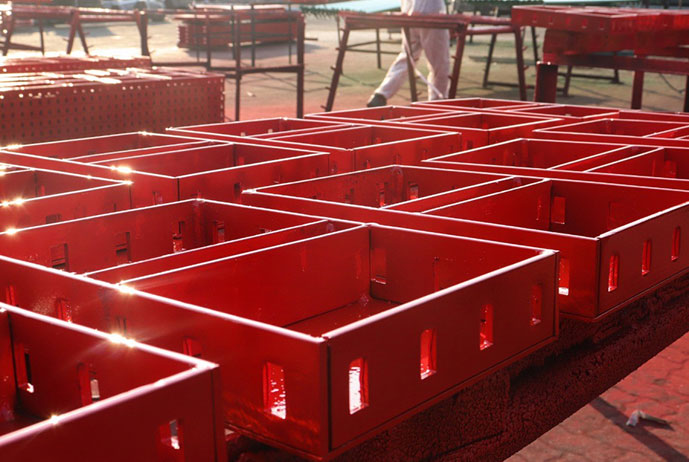
It is common practice to classify these moulds according to their design or the materials used in their manufacture. Those used by the builders of iconic Roman structures, such as the Pantheon, would have been made of wood. In practice, timber and plywood are still used for this purpose today. However, because the natural lifespan of wood is relatively limited, extra care is necessary if the shuttering is to be of long-term use. In this respect, modern builders do have one notable advantage over their Roman counterparts; the ability to create various types of formwork from exceptionally hardwearing materials, such as steel.
Concrete has become the most widely used building material in the world. The widespread adoption of concrete is, in part, because it is inexpensive and easy to work with but also because, in its initial liquid form, it is an exceptionally versatile option. Concrete is used in foundations; to create floors, walls, and support beams, and to fashion more ornate structures, such as cylindrical columns, intricately moulded friezes, and arches. For such tasks, various types of formwork are often available in standard shapes and sizes. To meet the more radical needs of the less conventional or avant-garde architects, some shuttering manufacturers also have the skills and facilities to create bespoke designs.
In the majority of building projects, the sole reason for using shuttering is to shape the fresh concrete during the curing stage. Once the concrete has hardened, the shuttering can then be carefully removed and cleaned, ready for reuse when required. However, on occasions, it may be necessary to position a special type of formwork within the poured concrete, where it will remain permanently to provide the finished structure with shear and axial reinforcement.
Whether its role will be to shape beams, columns, or arches, or to provide internal support for some similar structure, shuttering needs to be robust, constructed with precision, yet easy to assemble and dismantle without damaging its contents. Disc-O-Scaff is a well-established and respected manufacturer of world-class scaffolding systems and various types of standard and bespoke formwork.

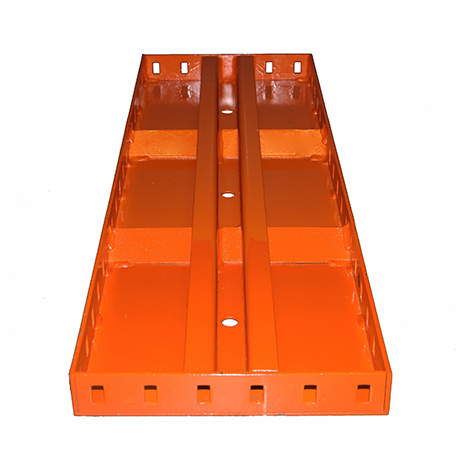
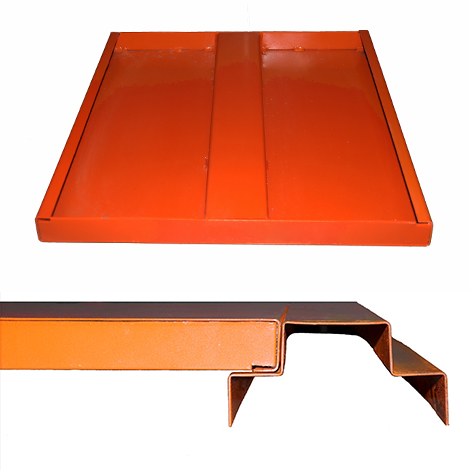
Formwork Economy Form Panel – Formwork Decking Panel – Formwork