Metal Formwork and it’s crucial role in the construction industry
Unless you are employed in the building trade or happen to be an avid trivia quiz fan, you may be unfamiliar with the nature of formwork. You might, therefore, be surprised to learn that most of the modern buildings, monuments, and similar structures in your city or town probably owe their striking shapes and longevity to this unfamiliar item, alternatively known as shuttering.
When the builders of ancient Egypt constructed an archway or bridge from clay bricks, they needed some means to support it temporarily. They used structures made from wooden slats, curved to the necessary shape, to provide stability until the mortar was fully set. The concept appears to have been practical as many of those ancient structures still survive. Later, Rome’s builders also employed formwork to mould elaborate columns and arches from concrete. Today, it would be hard to find a modern building in most cities that does not owe its structural integrity to the remarkable properties of concrete and the extensive use of shuttering.
In practice, wood is still widely used for this purpose today, although most often in the form of more affordable plywood. The choice is not without virtue. Plywood is much cheaper than metal, and anyone with reasonable carpentry skills could probably manage to lash together some reasonably practical pieces of formwork. That said, wood cannot match metal for its durability and is also more prone to deterioration, whether in use or stored between uses.
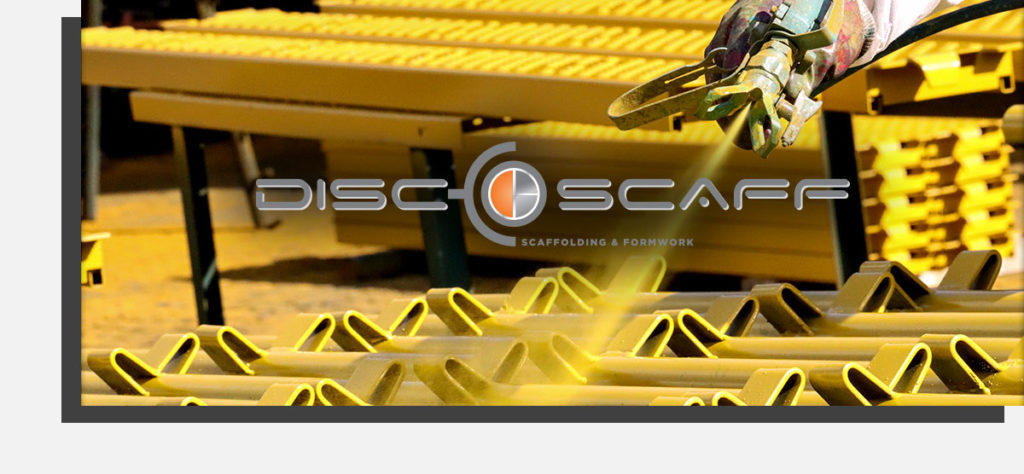
Given that all but the more avant-garde concrete structures tend to have similar features of consistent dimensions, manufacturers usually offer a wide range of standard-sized shuttering components for general use. When assembled, these components form a watertight mould of the required shape and dimensions. Where necessary, external bracing may then be applied to the formwork to guarantee rigidity throughout the curing process. Standard products may vary between manufacturers but could include square and circular column boxes that fit together to form moulds of varying lengths and decking panels, to name just a few.
However, there is no such thing as a one-size-fits-all solution in the construction industry. Some of today’s architects possess a talent for designs that are anything but the norm and could never be realised with standard shuttering. Fortunately, some manufacturers cater to the more imaginative designers with the offer of bespoke formwork products built to their unique requirements.
Quality should always be a paramount consideration in the construction industry, whether shopping for a standard or bespoke product. World-class products made entirely from SABS-approved materials, more than a decade’s practical experience, and competent expert support are all sound reasons to choose Disc-o-Scaff when purchasing scaffolding or formwork in South Africa.