Shaping the Future with Formwork for Sale
Few materials have had as profound an influence on urban development as concrete. When humans first ventured from their caves, it was to erect shelters from natural materials, such as branches, reeds, and mud, later to be replaced by chiselled stone and bricks made by sun-baking clay mixed with straw. In a sense, it was the early brickmakers who first made use of formwork, although it was probably not offered for sale.
The clay had to be shaped and stabilised during the drying process, and this would have been achieved with slats of wood. Though on a much smaller scale, this was the same principle adopted by builders in ancient Rome to shape the elaborate columns and arches typical of Roman architecture, following the invention of concrete. This technique has persisted through the ages and remains as important today. The main difference lies in the materials used to manufacture the different types of shuttering or formwork offered for sale today.
The Transition from Wood to Steel
While timber and plywood are still used for this purpose, and some artisans have the skills to create their own, much of that sold today is now made from alternative materials, particularly steel. Therefore, the result is a much stronger mould that is capable of supporting a correspondingly heavier load. Yet another advantage of this added durability is that the product can be stripped and reused almost indefinitely. This improved longevity has sparked the growth of a market for used shuttering as a cheaper alternative to purchasing the brand new formwork for sale by builder’s suppliers.
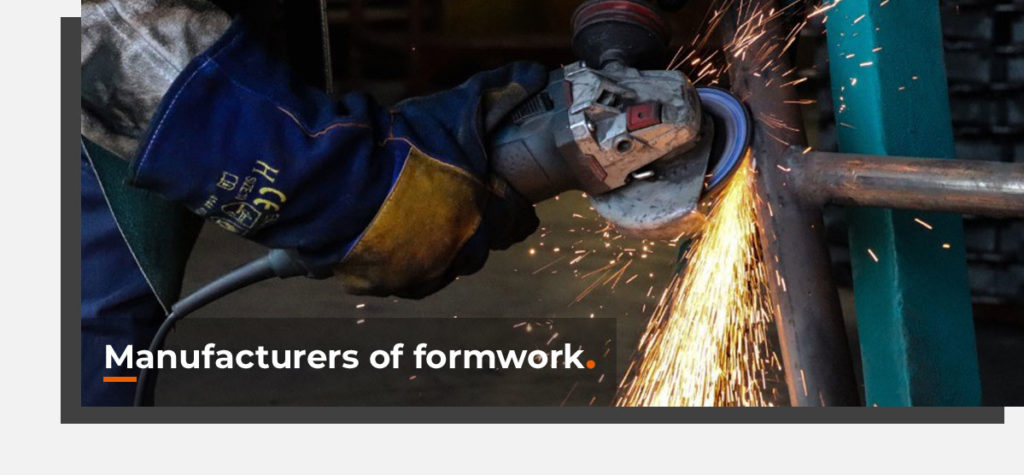
The manufacture of steel shuttering is a task that requires both skill and imagination. While the units used to shape the typically cylindrical or rectangular concrete columns are generally offered in standard dimensions, manufacturers are also frequently called upon to create bespoke pieces for use in the more avant-garde type of project. Many of the modern structures that have gained the status of national landmarks would not have been possible but for the skills of the specialist manufacturers who design and construct the unique formwork for sale to their visionary builders.
Requirements of Reliable Shuttering
Numerous factors contribute to the quality of shuttering. Among the most important of these are sufficient strength to support the intended load, rigid construction with adequate vertical and horizontal bracing, and tight, leak-proof joints. Also, it should be designed for easy removal without damaging the formed structure; as light as possible, reusable and resistant to warping or distortion.
To ensure meeting these requirements, many of South Africa’s discerning contractors choose to purchase world-class formwork for sale from Disc-O-Scaff.