2026 Top Shuttering Formwork Suppliers for Global Buyers
Global buyers choosing shuttering formwork in 2026 face a practical challenge: balancing project speed, concrete quality, worker safety, and delivered cost. Formwork is not a minor purchase. Panel weight, tie spacing, compatible accessories, and local technical support can shape daily site performance. A system that looks economical in a catalogue may become costly when components arrive late or crews need extra handling.
McKinsey’s construction productivity research found that labor productivity in construction grew by about 1% annually over two decades, compared with 3.6% in manufacturing. That gap makes repeatable site methods worth careful attention. Well-matched formwork can support faster reuse and more consistent pours, though results depend on design, training, and site conditions. It is not a magic fix.
This guide compares suppliers through evidence buyers can check: system range, engineering documentation, manufacturing capability, delivery experience, and after-sales support. These criteria matter across residential towers, bridges, and industrial projects. Buyers should request load calculations, inspect sample components, and confirm replacement-part availability before placing large orders. Claims deserve verification. The strongest supplier is not automatically the largest or cheapest; it is the one whose equipment and support fit the project’s actual schedule, workforce, and concrete geometry.
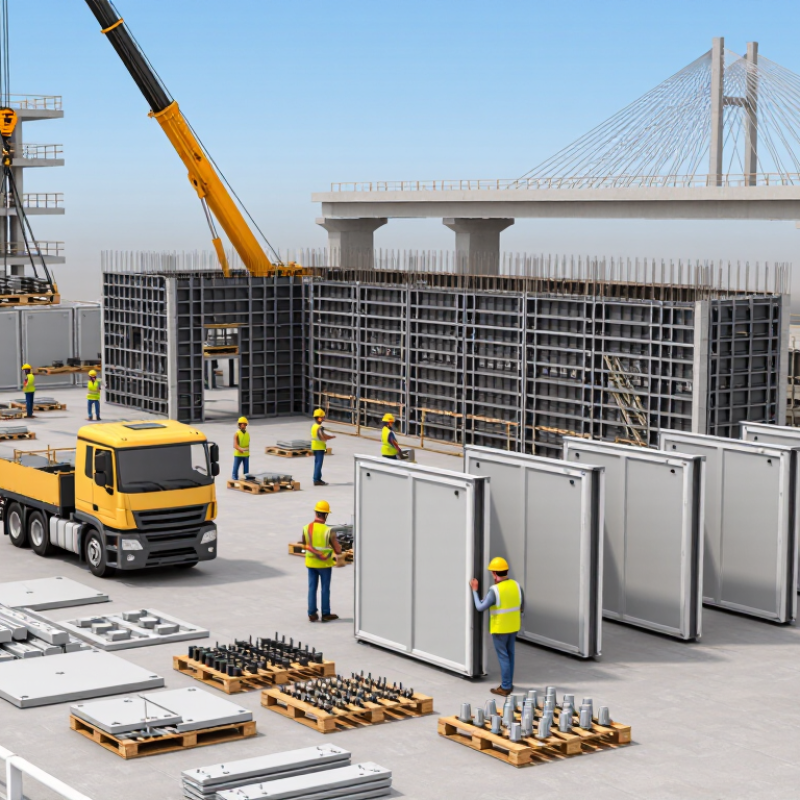
What Shuttering Formwork Is and Why Global Buyers Need Reliable Suppliers
Shuttering formwork is a temporary mold that holds fresh concrete in shape until it can support itself. It may use timber, steel, aluminum, or engineered panels. On site, crews check panel alignment, joints, ties, and bracing before each pour. A small gap can let cement paste escape. Small details matter.
For global buyers, a reliable supplier should provide clear drawings, material specifications, load information, and consistent quality checks. Ask how panels are packed and protected for long-distance transport, and confirm dimensions against local site equipment. Responsive technical support also matters when a shipment arrives with unclear labels or a component does not fit. A polished catalog helps, but it is not proof of performance. Request samples or project references where practical, and review the details with your site engineer. Even careful checks cannot remove every risk; that is worth acknowledging.
Tips: Compare panel weight, reuse expectations, and replacement-part availability, not only the quoted price. Keep one approved drawing set on site, and inspect sample panels for straight edges, sound welds, and clean connections before ordering at scale.
| Formwork System | Common Materials | Typical Applications | Potential Advantages | Buyer Checks for Supplier Reliability | Key Logistics Considerations |
|---|---|---|---|---|---|
| Timber formwork | Sawn timber and timber components | Small projects, irregular shapes, and one-off concrete work | Can be cut and adapted on site using standard carpentry tools | Confirm timber grade, moisture condition, dimensions, and suitability for the intended number of uses | Check packing dimensions, moisture protection, and any applicable timber import requirements |
| Plywood-faced formwork | Plywood panels with timber or engineered framing | Slabs, walls, columns, and general-purpose concrete forming | Panel sizes and framing can be selected for different layouts and surface-finish needs | Request panel thickness and construction details, face and edge protection, and written reuse guidance | Compare sheet dimensions with container loading plans and local site handling equipment |
| Steel formwork | Fabricated steel panels, frames, and connecting hardware | Repeated pours, infrastructure, and projects requiring robust panel systems | Durable panels can be reused when properly handled, maintained, and designed for the project | Verify panel drawings, connection compatibility, corrosion protection, tolerances, and load design documentation | Account for shipment weight, lifting points, unloading equipment, and protective packaging |
| Aluminum formwork | Lightweight aluminum panels and system accessories | Repetitive building layouts, including projects with recurring wall and slab configurations | Lower panel weight than many steel systems can support manual handling, subject to panel design and site rules | Confirm layout design, accessory lists, connection details, technical support, and replacement-part availability | Check whether the package is project-specific and ensure all panels and accessories are identified for customs and delivery |
| Plastic formwork | Reusable molded plastic panels and connectors | Selected wall, column, and smaller-scale concrete applications | Panels may be lightweight and resistant to moisture; system capacity varies by product design | Ask for allowable-pressure data, temperature limitations, assembly instructions, and repair or replacement guidance | Review package volume, stacking limits, and protection against deformation during transport and storage |
| Modular panel formwork | Interconnected steel, aluminum, or composite panels with ties and accessories | Walls, columns, and other repeatable layouts using compatible components | Standardized components can support organized assembly and reuse across suitable work areas | Check that panel dimensions, ties, clamps, corners, and working-platform components are compatible as a complete system | Request a packing list by component and confirm replacement parts can be sourced for the required project period |
| Tunnel formwork | Typically engineered steel or aluminum system components | Projects with repetitive room or unit layouts where walls and slabs are cast in coordinated cycles | Can support a repetitive construction sequence when the building design and site plan suit the system | Require project-specific engineering, detailed cycle planning, lifting procedures, and documented assembly training | Plan oversized or heavy-load transport, lifting equipment, site access, and delivery sequencing well in advance |
| Buyer note: Shuttering formwork is temporary or reusable equipment that shapes and supports fresh concrete until it can retain its intended shape. System suitability, allowable loads, reuse potential, and project requirements depend on the product design, concrete placement conditions, engineering, and applicable local regulations. Ask suppliers for project-specific drawings, technical data, installation guidance, a complete accessory list, and clear delivery terms before ordering. | |||||
Related Posts
-

How to Choose the Best China Shuttering Formwork Supplier?
-
How to Choose the Best Cement Formwork for Your Construction Project?
-

China Best Building Formwork Suppliers and Manufacturers?
-

How to Choose the Right Bracing Formwork for Your Construction Project
-
What Are the Top 10 Types of Concrete Formwork?
-
Top Guide to Understanding Formwork in Construction Industry?