Artisans have been employing moulds for various purposes since the early days of civilisation. One of the earliest uses was to shape vessels and other implements from molten metal. While crafters often fashioned their moulds from clay, at some stage, they began shaping it into rectangular bricks using slats of wood to hold the moist mud whilst it dried. Without realising it, these clay brick makers were the first to become aware of the potential importance of formwork in construction.
Working with regularly shaped bricks of even size made life a lot easier for builders. They also enabled architects to move beyond their previously limited designs by extending the use of those wooden slats to help shape curved features, such as brick archways. Once established, bricks remained the sole material used for permanent buildings for millennia, despite the invention of concrete by Middle Eastern builders in around 1300 BC.
While used solely as a protective wall coating for centuries, the builders of Ancient Rome recognised its full potential and the importance of formwork in construction projects employing this exceptionally strong and versatile new building material. The Romans, closely followed by the Greeks, were quick to apply the concept. Their builders used planks of wood to shape the massive archways that support their aqueducts and the vast domes that enclose their temples and public buildings, many of which have survived to this day.
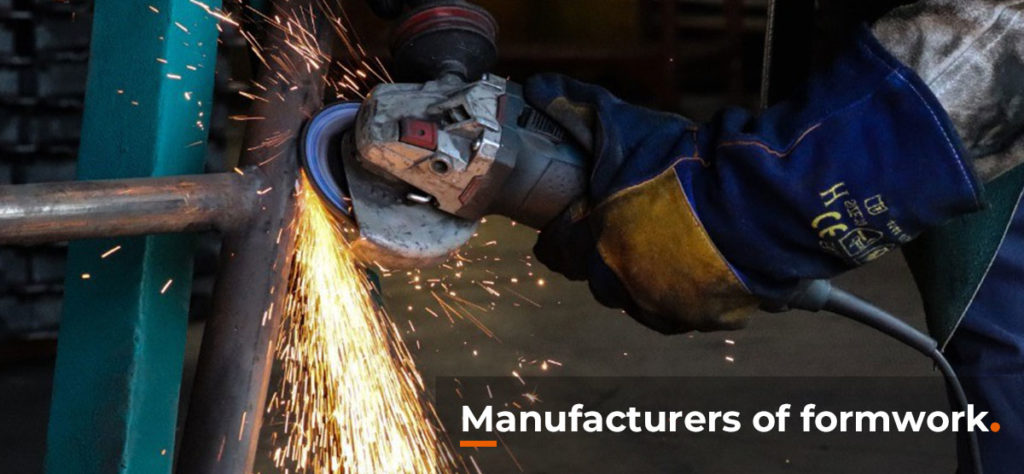
This use of wood for shaping concrete is commonly known as shuttering and is still in use today. Rather than genuine timber, users tend to favour the cheaper option of plywood. That said, companies that work consistently with concrete and know the importance of formwork in construction also appreciate that it is worth investing in a quality product. Typically, they will prefer the more durable nature of a metal product over wooden shuttering despite the higher cost. They also know that whatever extra they need to spend will be more than compensated by the greater ease of use, versatility, and almost indefinite lifespan of a product made from high-quality steel.
The importance of formwork in construction is well-known, but manufacturers also understand that builders need to save time wherever possible. To help with time constraints, manufacturers offer a series of standard components. These include circular and rectangular column boxes, decking panels, and everything necessary to speed up the erection of concrete structures, such as walls and bridges.
Few manufacturers in South Africa are more familiar with the importance of formwork in construction than Disc-O-Scaff, a leading supplier of high-quality scaffolding and shuttering to many of the nation’s foremost building companies.