What is Flexible Concrete Formwork and How Can It Benefit You?
In the realm of construction, "flexible concrete formwork" represents a significant innovation. Leading expert Dr. Sarah Bennett highlighted its potential, saying, "Flexible concrete formwork evolves the way we shape our structures." This approach allows for unique designs and enhances efficiency.
The ability to mold concrete into various shapes is a game changer. Traditional formwork can be rigid and limiting. In contrast, flexible options create opportunities for creativity and expression. Architects and builders are increasingly embracing this technique.
However, there are challenges. Not all projects can benefit equally from flexible formwork. It requires a new skill set and understanding. Some professionals may hesitate to adopt this innovative method. The transition might be daunting, but the long-term benefits are undeniable. Embracing flexible concrete formwork can reshape the future of construction, forging a path toward sustainable and artistic builds.
What is Flexible Concrete Formwork?
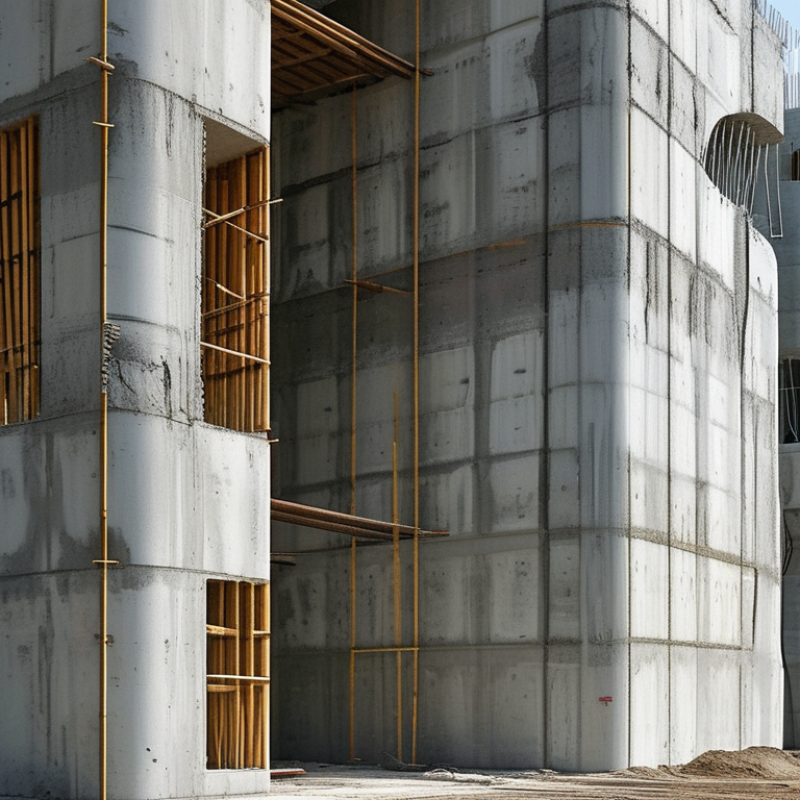
Flexible concrete formwork is an innovative approach in construction. It allows builders to create unique shapes and designs that rigid formwork cannot achieve. This flexibility enables the realization of complex architectural visions with greater ease. The materials used in flexible formwork can conform to varied geometries, which can lead to less waste and lower material costs.
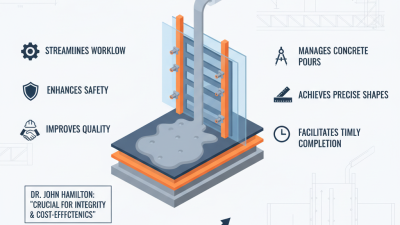
The method has gained attention for its benefits in sustainability. Traditional concrete pouring often results in excess material, which generates waste. With flexible formwork, the exact shape needed can be crafted, minimizing this excess. Additionally, it can reduce labor costs by streamlining the construction process. Workers can easily manipulate and assemble the formwork, leading to quicker project timelines.
However, challenges exist. Proper training is essential. Knowing how to manage the intricacies of flexible formwork takes experience. If not used correctly, projects may face issues such as structural integrity concerns. Each project should be evaluated individually as the benefits might not apply universally. Understanding the site conditions and material behavior is crucial for success.
Advantages of Using Flexible Concrete Formwork
Flexible concrete formwork is revolutionizing construction methods. This innovative approach allows for intricate designs and shapes that traditional methods cannot achieve. By using flexible materials, contractors can create unique structures that enhance aesthetics and functionality. This adaptability opens new possibilities for architects and builders alike.
One major advantage of flexible concrete formwork is its efficiency. The lightweight nature of flexible forms makes them easier to transport and set up. This can reduce labor costs and minimize construction time. Additionally, the forms can be reused multiple times, which leads to lower material costs in the long run. However, it’s essential to ensure proper maintenance to prevent wear and tear.
Another benefit is sustainability. Flexible forms can help minimize waste during construction. They allow for precise pouring and reduce the excess concrete that often results from rigid forms. However, using new materials may require some learning. There might be a learning curve for some contractors, which could initially slow down a project. Embracing this technology can offer long-term benefits if approached with care and consideration.
What is Flexible Concrete Formwork and How Can It Benefit You?
| Aspect |
Description |
Benefits |
| Material Composition |
Flexible concrete formwork typically uses materials like textiles, polymers, and advanced composite materials that allow for versatile designs. |
Enables unique shapes and contours, reducing the need for traditional formwork. |
| Weight |
Lightweight design simplifies transportation and installation on-site. |
Lowers labor costs and enhances mobility during construction. |
| Customization |
Can be tailored for specific project requirements and complex geometries. |
Improves architectural aesthetics and innovation in design. |
| Cost Efficiency |
While initial costs may be higher, reduced labor and material waste result in lower overall expenses. |
Long-term savings on projects with intricate designs. |
| Sustainability |
Made from eco-friendly materials, promoting environmentally friendly construction methods. |
Contributes to green building certifications and lower carbon footprints. |
Applications of Flexible Concrete Formwork in Construction
Flexible concrete formwork is gaining traction in various construction applications. This innovative approach allows for unique shapes and designs. With the ability to adapt to different structures, it offers architects and builders greater creativity. Such flexibility enables the construction of intricate designs that traditional rigid formwork cannot achieve.
In residential projects, flexible formwork can streamline the construction process. It reduces the need for multiple molds, saving both time and money. Additionally, its lightweight nature makes it easier to transport and handle on-site. However, while the benefits are clear, there can be challenges. Adjusting to this system might require training and experience for some workers.
Moreover, its use in infrastructure projects, like bridges and tunnels, is notable. The adaptability of flexible formwork leads to improved safety and structural integrity. It's essential to weigh these advantages against the learning curve involved. Feedback from industry professionals highlights that understanding this material is crucial for maximizing its potential.
Comparing Flexible Formwork to Traditional Formwork Systems
Flexible concrete formwork presents a modern alternative to traditional formwork systems. Traditional methods often rely on rigid materials and standard shapes. This rigidity can lead to significant waste and limited design flexibility. In contrast, flexible formwork allows for a variety of shapes and curves without additional cost. It adapts well to complex designs, enhancing architectural creativity.
One key difference lies in the construction process. Traditional formwork can take considerable time to set up and dismantle. In comparison, flexible systems typically require less labor and time. This efficiency can translate to reduced project timelines, allowing for faster completion. Furthermore, flexible formwork can reduce material use and waste. This eco-friendly aspect appeals to contractors seeking sustainable building practices.
Despite its advantages, flexible formwork does present challenges. Proper training is essential to ensure safe and effective use. Additionally, maintenance of flexible materials can be tricky, requiring attention to detail. Many contractors find the initial learning curve steep. However, these challenges can become manageable with experience and knowledge. Over time, the benefits of using flexible concrete formwork often outweigh the difficulties.
Installation and Maintenance Tips for Flexible Concrete Formwork
Flexible concrete formwork has gained popularity due to its versatility and efficiency in construction. Installing this innovative system requires attention to detail. Ensure that the formwork is properly secured before pouring concrete. This helps avoid leaks and provides a smooth finish. A study by the Concrete Industry Board shows that using flexible formwork can reduce labor costs by up to 15%.
Maintenance is crucial for maximizing the lifespan of your flexible formwork. Regular inspections for wear and tear are necessary. Addressing any damage promptly can prevent larger issues. Wash the formwork with water and mild detergent to maintain its integrity. According to industry guidelines, cleaning after each use significantly extends durability.
It's also essential to consider the curing process. Proper curing ensures optimal strength and reduces cracking. However, underestimating the need for adequate curing time can lead to unexpected failures. Flexibility in design means you can achieve unique shapes. Yet, without careful planning, the end result may not meet expectations. Balancing creativity and practicality is vital for successful outcomes.