Why Choose Beam and Slab Formwork for Your Construction Projects?
In the realm of construction, the choice of formwork plays a pivotal role in project efficiency and safety. Beam and slab formwork is increasingly favored for its versatility and reliability. John Smith, a leading expert in construction engineering, once stated, "Choosing the right formwork system can make or break a project's success." This underscores the significance of beam and slab formwork—a method that combines strength with functionality.
Beam and slab formwork allows for rapid assembly and disassembly. This capability accelerates the construction timeline, addressing common delays. The system supports heavy loads and offers outstanding safety features. However, the implementation of this method is not without challenges. Proper selection and maintenance are critical to avoid structural issues and costly errors.
As the industry evolves, innovations in beam and slab formwork emerge. Yet, continuous learning about the best practices remains essential for contractors. Understanding its limitations and potential pitfalls is crucial. Awareness of these factors can lead to more informed decisions and ultimately, successful project outcomes.
Understanding Beam and Slab Formwork: An Overview
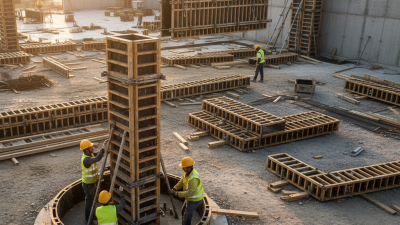
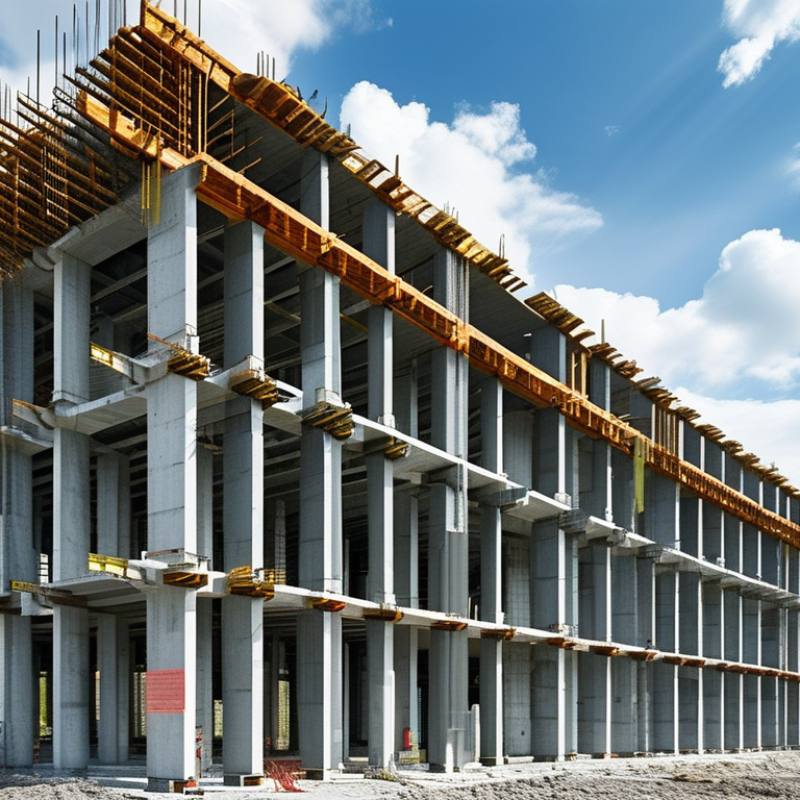
Beam and slab formwork is an essential construction method. It provides a robust framework for creating floors and ceilings in buildings. This technique combines beams and slabs to support loads effectively. Builders often choose this system for its stability and suitability for large spans.
When using beam and slab formwork, proper planning is crucial. The design must consider the building's load-bearing requirements. It is vital to factor in potential risks, such as an uneven load distribution. This could lead to structural weaknesses down the line. Always consult with a structural engineer to ensure your project’s success.
Tips: Maintain clear communication with your team. Regular updates can prevent misunderstandings. Additionally, conduct thorough inspections of materials. This avoids costly mistakes later. Finally, keep safety protocols at the forefront. Workers must feel secure while performing their tasks. Prioritize their well-being to maintain efficient operations.
Key Advantages of Beam and Slab Formwork in Construction
Beam and slab formwork is gaining popularity in construction projects. This method offers significant advantages, making it an ideal choice for many builders. One of its main benefits is the ability to support larger spans. This allows for open spaces without the need for excessive columns, enhancing architectural freedom. The rigid structure distributes loads evenly, improving overall stability.
Another advantage is speed and efficiency. Beam and slab systems facilitate quicker installation, which can accelerate project timelines. Skilled labor can assemble this formwork faster than traditional methods. Yet, the complexity of design can sometimes lead to errors, requiring careful planning. Proper training and experience are essential to mitigate these risks.
Durability is also a key consideration. The use of quality materials ensures that beam and slab formwork can withstand harsh conditions. However, the initial cost may be higher compared to simpler systems. This investment is often justified by the longevity and performance benefits. Projects should weigh these factors carefully before making a choice.
Comparative Analysis: Beam and Slab vs. Traditional Formwork Systems
When considering formwork systems for construction, beam and slab methods stand out.
Traditional systems often involve extensive labor and time.
They require complex assembly and have limitations on height and load-bearing capacity.
In contrast, beam and slab formwork allows for quicker installation.
It supports larger spans and provides greater stability.
This efficiency can lead to significant cost savings on projects.
One key advantage of beam and slab formwork is its adaptability.
It can be used in various construction types, from residential to commercial projects.
However, it does require skilled labor to maximize its benefits.
Misalignment and poor execution can compromise structural integrity.
Therefore, training and experience are crucial to ensure success.
Despite its benefits, beam and slab systems are not without challenges.
The initial investment might be higher compared to traditional methods.
This can deter smaller contractors. Yet, the long-term savings on labor and time often outweigh the initial costs.
Understanding the nuances of each system is vital for making informed decisions in construction projects.
Application Scenarios for Beam and Slab Formwork
Beam and slab formwork is ideal for many construction scenarios, particularly in high-rise buildings and commercial structures. Its adaptability supports various design needs. For example, the use of this formwork can streamline the construction process, reducing labor costs by up to 20%, as per industry reports. This type of formwork offers excellent load-bearing capabilities, ensuring stability for large spans.
In residential projects, beam and slab systems provide flexibility. They allow for open floor plans, making it easier to create spacious interiors. The versatility of this formwork can enhance engineering solutions. Research indicates that projects utilizing beam and slab systems achieve up to 30% faster completion times. However, challenges remain in logistics and assembly. Workers must be skilled to ensure safety and efficiency during the setup.
In educational and healthcare facilities, this formwork proves beneficial. Its design can accommodate heavy equipment and utilities, essential for modern needs. Moreover, acoustic performance is often improved with proper installation. However, there are drawbacks. Sometimes the initial setup costs can be higher, depending on the project's complexity. Analyzing these aspects is crucial for successful implementation.
Why Choose Beam and Slab Formwork for Your Construction Projects?
Best Practices for Implementing Beam and Slab Formwork in Projects
When implementing beam and slab formwork in construction, precision is vital. A study by the Construction Industry Institute shows that effective formwork practices can cut construction time by up to 30%. Accurate measurements and proper alignment are crucial. Any discrepancies can lead to costly rework and schedule delays. Investing time in this initial phase pays off down the road.
Safety is another cornerstone. Regular training sessions for workers on safety standards can reduce incidents by around 40%. Emphasizing the use of protective gear is essential, especially when handling heavy materials. Additionally, conducting weekly safety audits can help identify potential hazards before they become serious issues.
Communication among team members is often overlooked. Regular briefings foster collaboration and clarify project goals. Involving all stakeholders in discussions can uncover problems early on. Yet, it is common to see teams work in silos, which can hinder progress. Building a culture of open communication ensures everyone is on the same page. Continuous reflection and adaptability are key to overcoming challenges in the construction landscape.
Why Choose Beam and Slab Formwork for Your Construction Projects?
| Dimension |
Value |
Notes |
| Maximum Span |
6 meters |
Ideal for residential and commercial buildings |
| Load Capacity |
25 kN/m² |
Suitable for medium to heavy loads |
| Construction Time |
20% faster |
Compared to traditional methods |
| Cost Efficiency |
15% savings |
On material and labor costs |
| Formwork Type |
Reusable |
Offers sustainability benefits |