Best Adjustable Column Formwork Solutions for Global Buyers?
The construction industry is ever-evolving. One of the key innovations is the adjustable column formwork, which enhances project efficiency. These solutions cater to various building projects, from residential to commercial. Global buyers are increasingly recognizing their benefits, like flexibility and ease of use.
Adjustable column formwork stands out for its adaptability. It allows contractors to customize dimensions based on unique project requirements. This adaptability can lead to significant cost savings and reduced waste. However, not all systems in the market deliver the same level of performance.
Many manufacturers claim to offer the best solutions, yet the reality can differ. Buyers must consider durability, ease of assembly, and support offered during usage. Conducting thorough research is crucial. Reliable suppliers provide detailed specifications and performance metrics, allowing informed choices. Exploring trusted resources can greatly enhance the purchasing experience. Through careful evaluation, buyers can find the right adjustable column formwork that meets both their needs and expectations.
Understanding Adjustable Column Formwork: A Comprehensive Overview
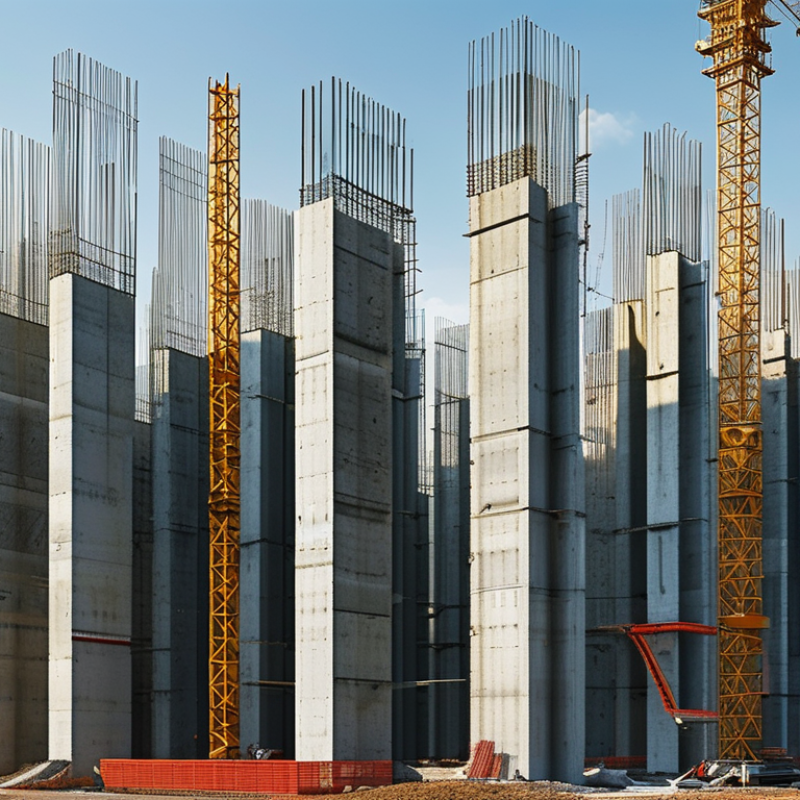
Adjustable column formwork is a vital component in construction. It allows for the efficient creation of vertical structures, shaping them precisely to project specifications. This formwork system adapts to different column sizes and heights, providing flexibility on-site. Understanding how it functions ensures that construction teams can manage time and resources effectively.
When using adjustable column formwork, careful planning is essential. Consider the load-bearing capacity and the material being used. Ensure that all equipment is inspected before deployment. This will minimize risks and ensure safety. Proper training of your crew on installation and handling is also crucial. Knowledge of best practices enhances efficiency and quality in the work.
There are common challenges that may arise. Misalignment can lead to costly errors in the structure. Take time to double-check measurements throughout the process. Encourage team collaboration to spot issues quickly. Keeping an open line of communication can help mitigate misunderstandings. By remaining proactive, teams can adapt and improve practices for future projects.
Key Features to Look for in Column Formwork Solutions
When selecting column formwork solutions, it's crucial to consider several key features.
Adjustable systems are designed to accommodate various column sizes and shapes. This flexibility is essential for modern construction, allowing for quicker adjustments on-site. According to the International Federation for Structural Concrete (fib), using high-quality adjustable formwork can reduce construction time by up to 30%. This efficiency is beneficial for both project timelines and budget management.
Another important feature is the ease of assembly and disassembly. Prefabricated components should interlock without the need for specialized tools. Quick setup minimizes labor costs and enhances safety on job sites.
A report by the World Construction Industry Organization highlights that improper formwork can lead to accidents, with over 50% of site injuries related to poor equipment setup. Ensuring that formwork is user-friendly is vital for protecting workers.
Durability and material quality are also critical. Formwork must withstand repeated use and harsh conditions. A study from the Construction Materials Association indicates that formwork systems made from high-grade materials result in a significant reduction in repair costs over time. However, the challenge remains in balancing cost with quality, as cheaper options may ultimately lead to more problems down the road. Choosing a formwork system requires careful consideration of all these factors for long-term success.
Top Adjustable Column Formwork Brands for Global Buyers
In the construction industry, adjustable column formwork solutions play a critical role. These systems allow for adaptability and efficiency on-site. Various industry reports indicate that the global market for formwork systems is projected to grow at a compound annual growth rate (CAGR) of 3.5%. This growth reflects the rising demand for versatile solutions that can cater to different project requirements.
Several top brands dominate the adjustable column formwork segment. They focus on engineering solutions that ensure safety and durability. Recent studies suggest that implementing these systems can reduce construction time by up to 20%. This increased efficiency is vital as projects aim to meet tight deadlines. However, it's essential to consider that not all solutions are universally suitable. Some may require specific handling or maintenance, which can complicate use on various job sites.
While adjustable column formwork provides significant benefits, challenges remain. Users report difficulties in finding the right balance between cost and performance. It's crucial to assess whether the perceived savings from cheaper options outweigh potential inefficiencies. Thoughtful evaluation leads to smarter decisions, paving the way for a more effective construction process. Balancing adaptability and reliability in column formwork is instrumental for achieving project success.
Best Adjustable Column Formwork Solutions for Global Buyers
| Feature |
Specification |
Usage |
Material |
Height Range (m) |
| Adjustability |
Height adjustable from 1.5 to 3.5 meters |
Used in commercial and residential buildings |
Steel and Aluminum |
1.5 - 3.5 |
| Load Capacity |
Can support loads up to 15 tons |
Ideal for heavy-duty construction |
High-strength steel |
N/A |
| Ease of Assembly |
Quick assembly without tools |
Suitable for rapid construction |
Aluminum |
1.0 - 3.0 |
| Customizability |
Custom sizes available upon request |
Tailored for specific projects |
Steel and Composite materials |
1.5 - 4.0 |
| Surface Finish |
Galvanized to prevent corrosion |
For long-term projects |
Steel |
N/A |
Applications and Benefits of Adjustable Column Formwork Systems
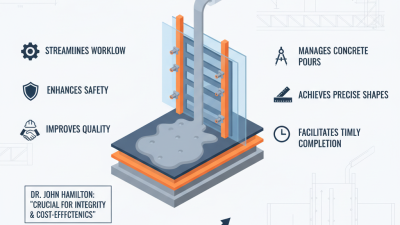
Adjustable column formwork systems provide a versatile solution for construction projects. These systems are designed to support concrete columns during the curing process. They adapt to various column sizes and shapes, making them highly effective for different applications. Builders often appreciate how easily they can adjust the height and width, fitting the specific requirements of each project.
The benefits of using adjustable column formwork are notable. They help save time on-site, reducing labor costs. The systems promote safety by providing sturdy support, limiting the risk of accidents during construction. With their reusable nature, these formworks also contribute to sustainability. However, the learning curve for effective use can be steep. Proper training is required to maximize efficiency and safety.
When implementing adjustable column formwork, careful planning is essential. Mistakes in measurements can lead to costly errors. Regular inspections during setup can also improve outcomes. While these systems excel in many areas, they are not without challenges. Understanding when and how to use them is crucial for any construction team.
Comparative Analysis of Adjustable Column Formwork Solutions in the Market
Adjustable column formwork solutions are essential in modern construction. They provide versatility and efficiency, allowing for precise designs and easy modifications. In a market filled with options, buyers must consider key factors like material quality, ease of assembly, and load capacity.
Many products claim to offer easy adjustments and durability. However, it’s crucial to evaluate each solution based on real-world applications. Some systems may seem robust but can falter under heavy use. A structure that lacks proper support or alignment might lead to significant setbacks. Real feedback from users often highlights these shortcomings, prompting buyers to rethink their choices.
Recent trends show a growing demand for lightweight, innovative materials. These alternatives aim to reduce labor costs and increase safety on sites. Yet, in pursuing the latest technology, some may overlook fundamental requirements such as stability and reliability. Effective formwork must balance innovation with proven strengths, ensuring safety and effectiveness in high-stakes environments. An effective solution should offer adaptability while still performing under pressure.
Best Adjustable Column Formwork Solutions Comparative Analysis