Top Benefits of Beam Slab Formwork for Construction Projects?
In the ever-evolving construction industry, beam slab formwork has emerged as a critical component for successful project execution. Leading expert in construction technology, Dr. Emily Taylor, emphasizes its advantages, stating, "Beam slab formwork minimizes labor costs and enhances structural integrity." This innovative approach allows for quicker construction times and improved safety on site.
The design of beam slab formwork provides flexibility in construction. It accommodates various architectural designs while ensuring high-quality outcomes. However, as with any system, challenges exist. Labor training and knowledge gaps can sometimes hinder implementation. This requires careful planning and resources, which not all projects have.
Moreover, the effectiveness of beam slab formwork relies on collaboration among teams. Miscommunication can lead to costly mistakes. Thus, sharing insights and experiences is essential for maximizing its benefits. As the industry continues to advance, adopting beam slab formwork can greatly enhance project efficiency and reliability.

Overview of Beam Slab Formwork in Construction Projects
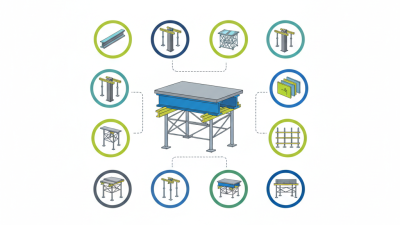
Beam slab formwork is a crucial element in modern construction. It supports the concrete while it sets, ensuring structural integrity. This system allows workers to create multiple levels efficiently. It can be adjusted to different building designs and sizes with ease. The versatility of beam slab formwork makes it suitable for various projects.
The construction industry often encounters challenges with time and safety. Beam slab formwork addresses these issues by providing stability during pouring. Workers can safely move around the site without compromising safety. This formwork system can handle heavy loads, which facilitates faster project completion. Its reusable nature also promotes sustainability in construction practices.
While beam slab formwork has clear benefits, challenges remain. Working with large components can be cumbersome. Mistakes in assembly can lead to delays. Proper training and planning are essential to optimize its use. Overall, the application of beam slab formwork reflects the industry's evolving demands for efficiency and safety.
Key Advantages of Using Beam Slab Formwork
Beam slab formwork offers a range of benefits that significantly enhance the construction process. One of its primary advantages is efficiency. The modular design allows for quicker assembly and disassembly. This leads to reduced labor costs and faster project timelines. Project managers appreciate how it streamlines workflows, minimizing delays.
Another key advantage is the improved quality of the concrete structure. Beam slab formwork creates a consistent support system. This consistency ensures that the concrete sets properly, leading to stronger and more durable structures. Workers often find that it is easier to achieve precise measurements with this system. However, occasional misalignments do occur, which can be a learning opportunity for improvement.
Finally, beam slab formwork is known for its versatility. It adapts well to various building designs and architectural requirements. This flexibility supports creative construction projects efficiently. Still, it’s essential to consider site-specific factors when implementing this formwork. In some cases, it might not be the most suitable choice. Understanding these nuances can help teams make informed decisions.
Structural Efficiency and Load Distribution Benefits
Beam slab formwork offers notable structural efficiency. It distributes loads evenly across its surface. This design reduces the risk of structural failure during construction. The optimized load distribution minimizes the need for excessive bracing. Workers find this approach simpler and safer, which is a key benefit.
When using beam slab formwork, the overall weight is reduced. This lighter structure allows for better handling and placement. It can lead to faster construction timelines. However, attention to detail is crucial. If misalignment occurs, it can undermine the benefits of load distribution. Continuous training for the crew enhances their skills.
Engineers often face challenges when implementing this system. Sometimes, miscalculations in spacing can arise. This may lead to unexpected structural stress. Regular inspections and adjustments can help mitigate these risks. Ultimately, incorporating beam slab formwork can significantly improve construction projects when executed with care.
Time and Cost Savings with Beam Slab Formwork
Beam slab formwork plays a crucial role in optimizing construction efficiency, especially regarding time and cost savings. Research indicates that using beam slab systems can reduce overall project timelines by up to 30%. This efficiency is primarily due to its modular design, allowing for faster assembly and disassembly on-site. Traditional formwork often requires more labor and time, leading to extended project durations and increased labor costs.
Cost analysis from industry reports shows that beam slab formwork can lower material costs by approximately 20%. This reduction results from fewer materials needed and the ability to recycle components for multiple projects. Moreover, the streamlined process minimizes labor hours, contributing to significant savings. However, not all projects may benefit equally; variations in project size and complexity could impact these savings.
While the advantages of beam slab formwork are clear, challenges remain. Compatibility with existing designs is critical. Construction teams must assess whether this system aligns with architectural plans. Occasionally, adjustments are necessary, potentially impacting timelines. Regular training for the workforce is essential to maximize the benefits of this system. Investing in education can ensure that teams utilize the full potential of beam slab formwork effectively and safely.
Safety Enhancements Offered by Beam Slab Formwork
Beam slab formwork provides significant safety enhancements in construction projects. Its design optimizes load-bearing capacity while allowing for efficient installation and dismantling. Workers on-site benefit from reduced risk of accidents, as the structure maintains stability during the pouring and setting of concrete. This reliable support minimizes the chances of collapses, which can lead to injuries and costly interruptions.
When utilizing beam slab formwork, ensure proper training for all personnel. Proper understanding of formwork handling is crucial. Workers should be familiar with load limits and adjustment procedures. This knowledge significantly reduces hazards. Regular safety checks are essential for maintaining the integrity of the formwork during the construction phase.
The design of beam slab formwork also promotes better visibility on-site. This ensures that workers can see potential hazards more clearly. However, it is vital to assess the work environment continuously. Recognizing changing conditions, such as weather impacts, can help maintain a safe working area. Adapting quickly to these changes enhances overall safety, making formwork even more effective.
Top Benefits of Beam Slab Formwork for Construction Projects
| Benefits |
Description |
Safety Enhancements |
| Load-bearing Capacity |
Designed to support heavy loads during construction, reducing the risk of structural failures. |
Minimized risk of collapse due to enhanced structural integrity. |
| Time Efficiency |
Quick installation and dismantling processes lead to faster project completion. |
Reduced time on-site minimizes exposure to hazards. |
| Versatility |
Suitable for various projects including residential, commercial, and industrial buildings. |
Can be adapted to different project requirements ensuring safety standards. |
| Cost-Effectiveness |
Reduces labor and material costs over the project lifecycle. |
Budget savings allow for better allocation of safety resources. |
| Environmental Considerations |
Can be reused multiple times, lowering waste generation. |
Promotes safer waste handling procedures. |