2026 Top Plastic Construction Formwork Trends for Global Buyers?
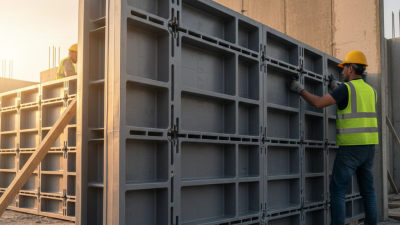
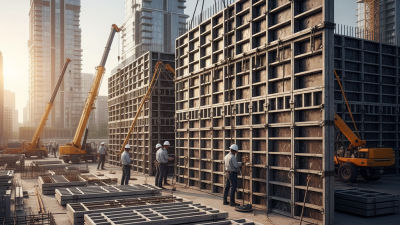
In the rapidly evolving construction industry, the use of plastic construction formwork is gaining significant traction. This innovative approach offers unique advantages over traditional materials. With an emphasis on sustainability and efficiency, buyers are turning to plastic solutions to meet modern construction demands. Plastic formwork is lightweight, durable, and reusable, making it an attractive option for diverse projects.
The trends emerging in 2026 highlight a shift towards eco-friendly materials. As manufacturers innovate, they focus on enhancing the performance of plastic construction formwork. This change reflects a broader commitment to reducing the carbon footprint in building practices. Global buyers must navigate these trends while considering both cost-effectiveness and environmental impact.
However, the transition is not without challenges. There may be concerns regarding the long-term durability of plastic compared to concrete. Understanding the nuances of material selection is crucial for successful project outcomes. As the market grows, staying informed will empower buyers to make smart choices. Exploring the latest trends in plastic construction formwork reveals opportunities and potential pitfalls that must be addressed.
Emerging Innovations in Plastic Construction Formwork for 2026
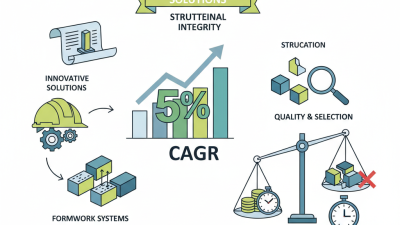
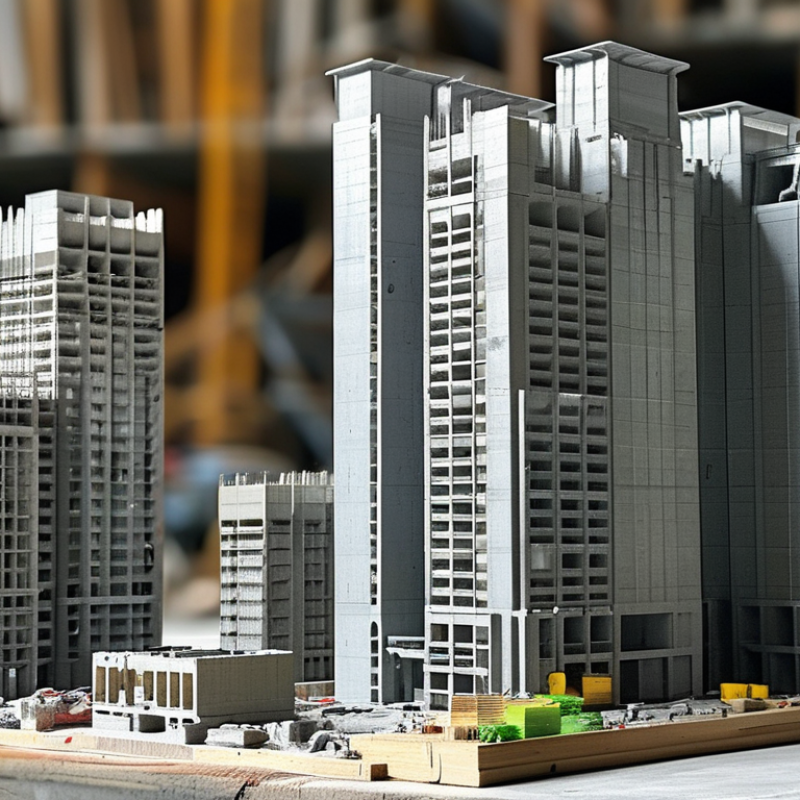
The construction industry is witnessing a significant shift towards plastic formwork solutions. Innovations in materials are crucial for enhancing project efficiency. Recent studies reveal that the global plastic formwork market is expected to grow at a CAGR of 6.5% from 2021 to 2026. This growth reflects an increasing preference for lightweight, reusable, and versatile construction methods.
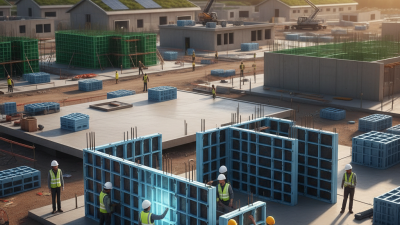
Emerging technologies in design and manufacturing are transforming plastic formwork. Advanced polymer blends increase durability and reduce environmental impact. Reports indicate that these innovations can cut project time by up to 30%. Improved interlocking systems and modular designs allow for rapid assembly and disassembly. This adaptability meets the specific needs of various construction projects.
Despite these advancements, challenges like price sensitivity and material limitations persist. Not all plastic formwork can withstand harsh conditions. Continual research is essential to address these shortcomings. Collaboration between designers and manufacturers can help refine product quality. Innovations must balance cost-effectiveness with sustainability to truly transform the construction landscape.
2026 Top Plastic Construction Formwork Trends for Global Buyers
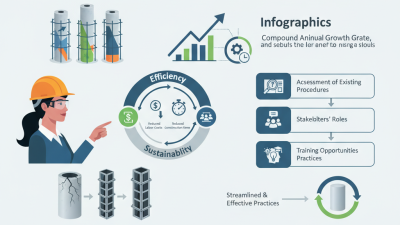
This chart illustrates the predicted growth trends for various types of plastic construction formwork materials in 2026. The data showcases the increasing adoption of advanced materials in the construction industry, reflecting a shift towards more sustainable and innovative solutions.
Sustainability Trends in Plastic Formwork Solutions for Global Markets
The construction industry is undergoing a significant transformation towards sustainability, especially in the realm of plastic formwork solutions. As global buyers strive for eco-friendly options, manufacturers are innovating to create products that minimize environmental impact. Recycled materials are being used increasingly in the production of plastic formwork. This effort not only reduces waste but also promotes a circular economy in construction.
However, challenges remain. The durability and longevity of new materials are often points of contention. Industry professionals indicate that while these solutions are more sustainable, there are concerns about their performance under extreme conditions. Many are still debating the best practices for utilizing recycled plastics in various climates. Furthermore, the balance between cost and environmental benefits continues to be a critical issue for project stakeholders.
Collaboration among suppliers and builders is essential. Effective communication can lead to better understanding and adoption of sustainable practices. Nonetheless, not every supplier is transparent about their materials. Buyers need to conduct thorough research to ensure the integrity of the products they choose. This ongoing journey towards sustainability in plastic formwork highlights both progress and the need for continued vigilance.
Comparative Analysis of Plastic vs. Traditional Formwork Systems
The construction industry is undergoing significant changes with the rise of plastic formwork systems. Unlike traditional wood or metal, plastic formwork is lighter and easier to handle. This can streamline the construction process and reduce labor costs. For smaller projects, the portability of plastic forms can be a game-changer.
However, there are drawbacks. Plastic is often less robust than traditional materials, which may complicate use in certain weather conditions. Workers must adapt their methods to handle these materials properly. While plastic formwork offers flexibility, the initial investment can be high, and not all suppliers guarantee long-term quality.
Understanding the differences is key for global buyers. Traditional formwork systems have proven reliability over decades. But they often weigh more and require more effort to assemble. As demand for sustainable building practices grows, plastic formwork could offer a viable alternative. Buyers should weigh the pros and cons carefully.
Key Players and Market Dynamics in the 2026 Formwork Industry
The 2026 formwork industry is evolving with significant market dynamics and key players shaping its landscape. Recent reports indicate that the global plastic construction formwork market is set to grow at a CAGR of over 6% from 2021 to 2026. This growth is driven by several factors, including the increasing demand for lightweight, reusable, and sustainable building materials.
In addition, the adoption of advanced technologies in construction methods is creating opportunities for innovative formwork solutions.
Several key players are emerging in this space, focusing on developing high-quality products that enhance efficiency. Environmental concerns are pushing manufacturers to explore recycled materials as part of their offerings. However, challenges remain, such as fluctuating raw material prices and the need for better regulatory compliance. The changing preferences of global buyers also necessitate a reevaluation of existing strategies.
Moreover, market dynamics reveal a shift towards digitalization. Many companies are investing in software tools that support design, project management, and real-time tracking. This trend may enable better project outcomes but raises questions about the workforce's adaptability to new technologies.
Effective collaboration among industry stakeholders will be essential for navigating these trends. The future of the formwork industry appears promising yet complex, with both challenges and opportunities ahead.
Future Challenges and Opportunities in Plastic Construction Formwork
The landscape of plastic construction formwork is shifting. As we approach 2026, buyers face both challenges and opportunities. Data indicates that the global plastic formwork market is projected to reach $2.1 billion by 2026, driven by advancements in material technology and rising demand for sustainable construction methods. However, the adoption of plastic formwork still presents hurdles, such as cost concerns and a lack of industry awareness.
For industry players, recognizing these challenges is crucial. A report from Global Market Insights suggests that 45% of construction firms are hesitant to switch to plastic due to initial costs. This reflects a need for better education about the long-term benefits, such as reduced labor time and increased reusability.
**Tip:** Engage in workshops and seminars focused on alternative construction materials. This will help mitigate knowledge gaps and encourage innovation.
As opportunities arise in plastic formwork, companies must also adapt. The shift toward greener building practices is essential. However, balancing costs with environmental responsibilities can be tricky. A growing demand for eco-friendly products requires manufacturers to focus on recyclability and waste reduction.
**Tip:** Conduct regular market analysis. Understand the evolving needs of the industry to align your products with buyer expectations.
2026 Top Plastic Construction Formwork Trends for Global Buyers
| Trends |
Forecast Year |
Market Growth (%) |
Key Factors |
Challenges |
| Sustainable Materials |
2026 |
8.5% |
Environmental awareness, regulations |
Material sourcing issues |
| Technological Integration |
2026 |
10% |
Smart formwork applications |
High initial investment |
| Increased Customization |
2026 |
7.2% |
Client-driven solutions |
Complex supply chain |
| Cost Efficiency |
2026 |
9% |
Improved production methods |
Price competition |
| Digital Platforms for Transactions |
2026 |
12% |
E-commerce growth |
Cybersecurity risks |