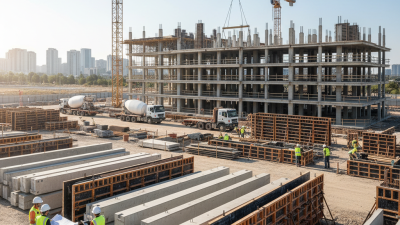
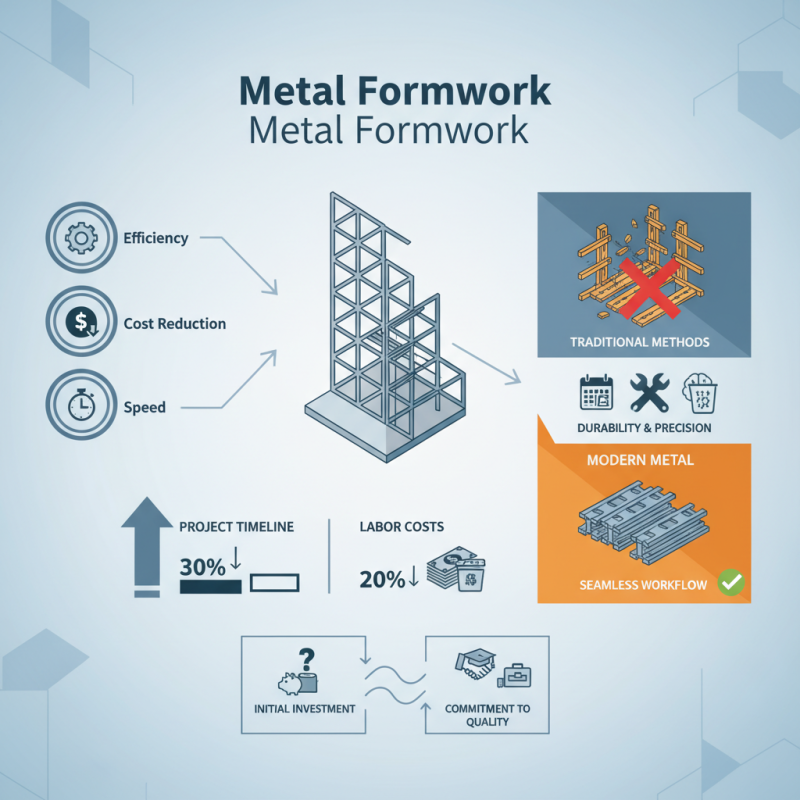
Metal formwork has transformed the construction industry, optimizing efficiency and reducing costs. According to the Global Construction Reports, metal formwork systems can cut project timelines by up to 30%. This significant improvement makes them an attractive option for modern construction projects. Industry expert John Smith, a seasoned consultant in construction technologies, states, “Metal formwork is not just a trend; it’s a necessity for efficient construction.”
Many projects still struggle with traditional formwork methods. They lead to delays, safety issues, and excessive waste. In contrast, metal formwork offers durability and precision, creating a seamless workflow on-site. Reports show that using metal formwork can reduce labor costs by approximately 20%. However, not all companies have adapted to this method.
Despite the advantages, some skepticism remains around initial investments. Businesses must evaluate their long-term benefits versus upfront costs. Additionally, proper training is crucial for effective implementation of metal formwork systems. Realizing these advantages requires careful planning and a willingness to shift from conventional practices. Choosing metal formwork reflects a commitment to efficiency and quality in construction.
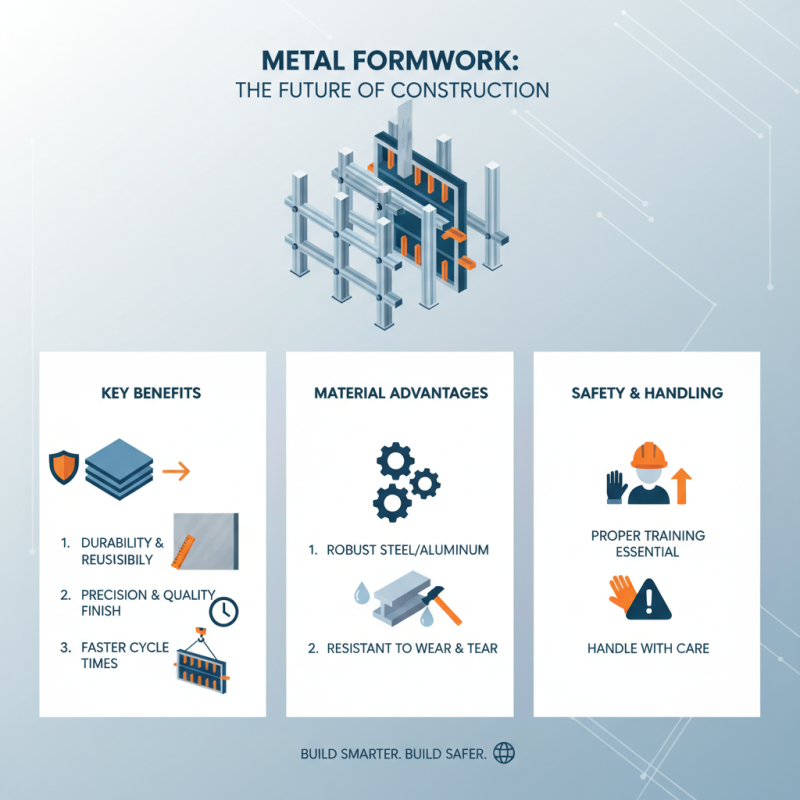
Metal formwork is increasingly popular in the construction industry. It offers a robust solution for creating concrete structures. Its design is precise, providing accurate dimensions. The use of metal allows for repeated cycles without compromising quality. Installers can achieve a smooth, high-quality finish with minimal effort. Workers need to understand how to handle metal forms carefully to avoid potential injuries.
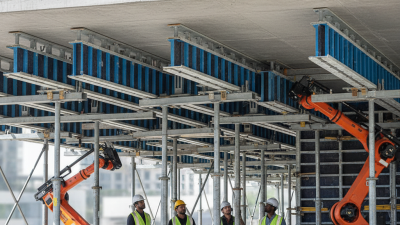
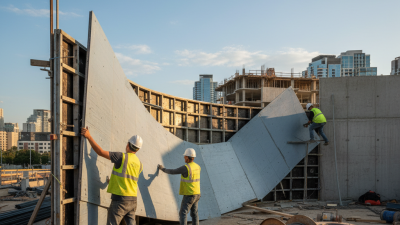
One challenge with metal formwork is its weight. Heavy panels can be difficult to maneuver, especially on-site. Proper tools and training are essential for safe handling. Experienced workers can adapt to this quickly. The initial setup may take time, but the long-term benefits often outweigh the effort. Mistakes in aligning forms can lead to costly errors in the final structure.
Another aspect to consider is the cost. While the upfront investment can be high, metal formwork is durable. It can withstand numerous uses, reducing overall expenses in the long run. However, not all projects may benefit from this system. Each project requires careful evaluation to determine suitability. Decision-makers should reflect on these factors before proceeding.
Metal formwork has become a game-changer in construction. Its efficiency and durability offer numerous benefits. Unlike traditional methods, metal formwork is reusable. This reduces material waste and cuts costs over time. The sturdy design resists distortion, ensuring consistent quality in construction.
When using metal formwork, consider the initial cost. It may seem higher than wood options. However, the longevity of metal forms often offsets this. They can last for many projects, making them a wise investment. Proper maintenance is essential. Regular checks can prevent rust and extend the lifespan of the forms.
Tips for successful metal formwork use: ensure seams are tight to avoid leaks. This helps maintain the integrity of concrete structures. Planning the layout efficiently saves time and resources. Invest in training for your crew. They will understand the best practices for handling metal forms. Mistakes can happen; learning from them is key. Emphasizing safety protocols reduces risks on-site.
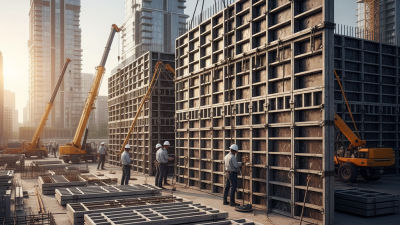
Setting up metal formwork on-site can seem daunting. However, with a clear plan, it becomes manageable. Begin by ensuring you have all necessary tools and materials. Inspect the site for any obstructions. Clear any debris or obstacles that might interfere with the layout. This initial step can save time and resources later.
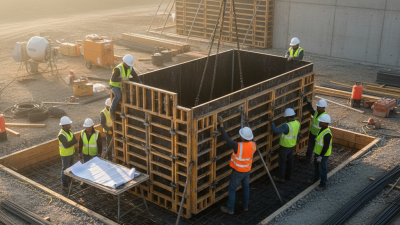
Next, assemble the formwork system according to your predefined design. Check the alignment of each piece, ensuring they fit together snugly. Use leveling instruments to confirm that everything is even. A slight misalignment may cause significant issues during construction. Reinforcements can be added, but this requires careful planning and execution.
Once the framework is ready, securing it properly is essential. Use braces for stability to prevent shifting during the pour. It’s crucial to monitor the setup throughout the day. Fluctuating temperatures and unexpected weather can impact the formwork's integrity. Regular checks allow for adjustments to be made immediately, enhancing overall project efficiency.
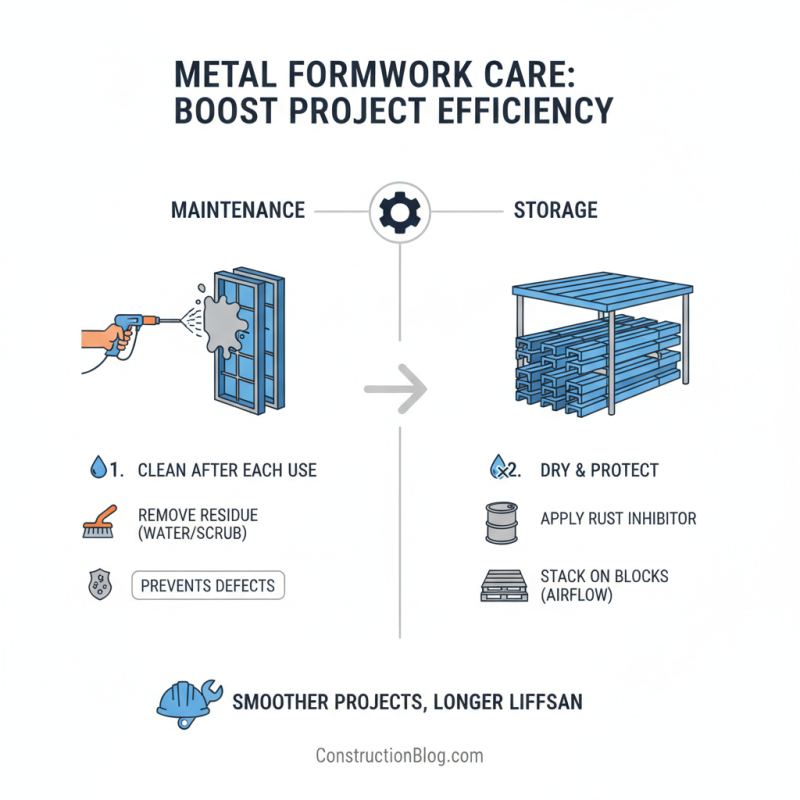
Proper maintenance and storage of metal formwork are crucial for efficiently completing construction projects. Clean the formwork after each use to prevent concrete residue buildup. A simple rinse with water can remove a majority of the debris. However, remember that some places may require more thorough cleaning. Ignoring this step may lead to defects in future projects.
Storing metal formwork is another important aspect. Keep it in a dry, covered location to avoid rust and corrosion. Arrange the components neatly to optimize space and ensure safety. It’s easy to overlook this step, leading to disorganization and damage over time. Inspect the stored formwork regularly for signs of wear and tear. Small issues can escalate if left unchecked.
Being mindful of these practices can greatly enhance the lifespan of your equipment. However, it’s not always easy to maintain discipline. A busy site often leads to rushed jobs and neglected maintenance. This is where reflection is essential. Assess your storage and maintenance routine consistently to identify areas in need of improvement.
Metal formwork has become a popular choice for enhancing construction efficiency. However, implementing this method comes with challenges. One major issue is the initial setup time. A report indicates that up to 20% of project delays arise from improper installation of metal forms. If the forms are not accurately positioned, they can lead to costly rework. This emphasizes the need for skilled labor during the setup phase.
Another challenge is the heavy weight of metal forms. While they offer great durability, handling them can be difficult, especially in tight spaces. Workers may experience fatigue, impacting productivity. Research shows that implementing ergonomic tools can reduce this strain by 15%.
Finally, maintaining precision throughout the project can prove difficult. Fluctuations in temperature may cause metal to expand or contract. This can affect the alignment of forms, leading to potential structural issues. Project managers should incorporate regular inspections to monitor formwork conditions. Adopting real-time monitoring technology can provide timely feedback, preventing significant errors.