2026 Top Bulkhead Formwork Solutions for Global Buyers?
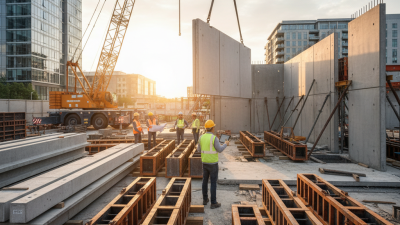
The demand for bulkhead formwork solutions is rising globally. As construction projects grow in complexity, choosing the right formwork system becomes crucial. Recent industry reports indicate that the global formwork market is expected to reach $9.6 billion by 2026, growing at a rate of 7% annually. This highlights the importance of reliable bulkhead formwork in today’s infrastructure development.
Bulkhead formwork plays a vital role in creating strong, durable structures. Its effectiveness directly impacts project timelines and budgets. Factors like material quality and design efficiency must be considered. Yet, many buyers face challenges when selecting the most suitable options. The diversity of suppliers and products available can be overwhelming.
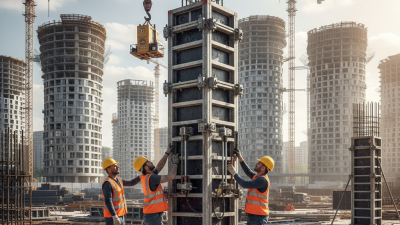
Innovation in bulkhead formwork is essential for enhancing performance. Technologies such as modular systems can reduce labor and material costs. However, implementing these solutions requires careful consideration and expertise. Understanding regional regulations and project requirements is essential for successful outcomes. As the market evolves, finding the right fit for specific needs remains a complex, yet critical task for buyers worldwide.
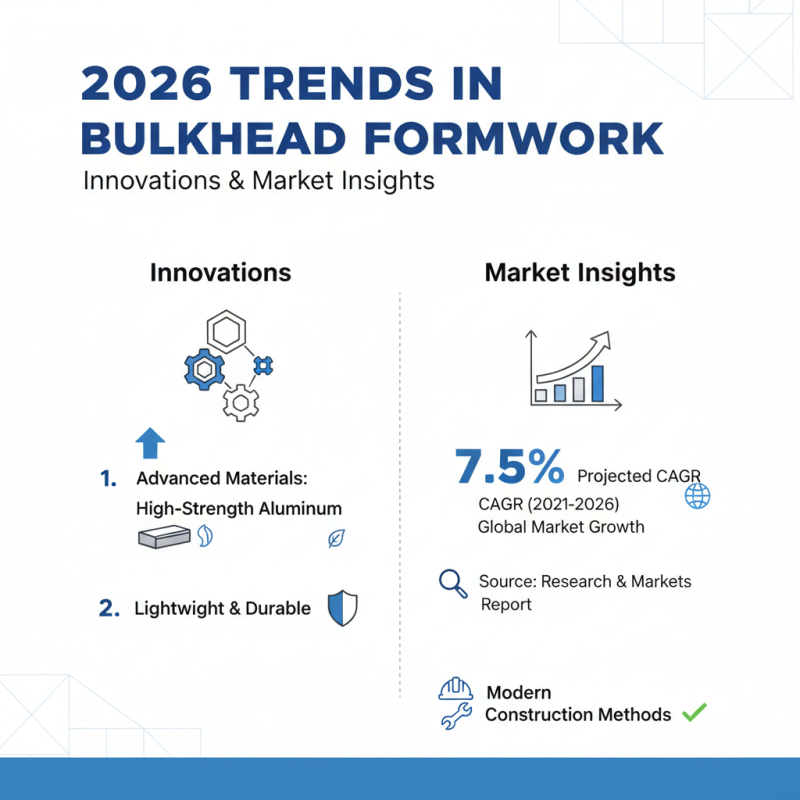
2026 Trends in Bulkhead Formwork: Innovations and Market Insights
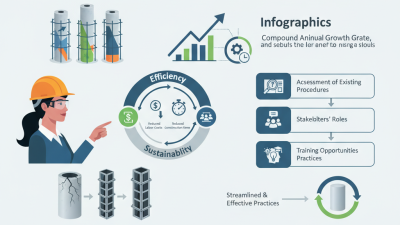
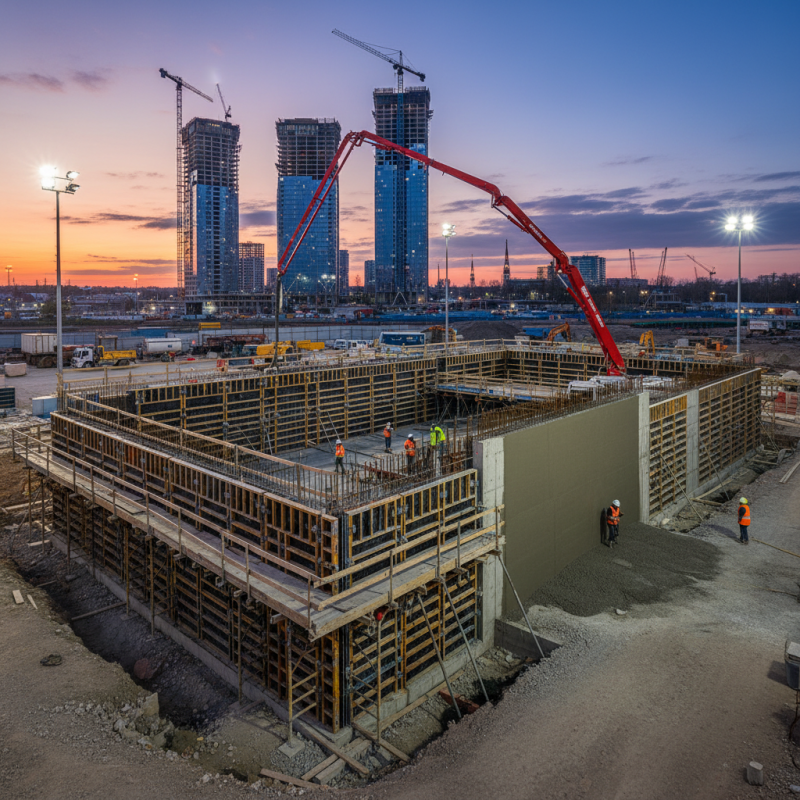
The 2026 trends in bulkhead formwork reveal significant innovations shaping the construction industry. Advanced materials, such as high-strength aluminum, are increasingly favored for their lightweight yet durable qualities. According to a report by Research and Markets, the global market for bulkhead formwork is projected to grow at a compound annual growth rate (CAGR) of 7.5% from 2021 to 2026. This shift signals a broader acceptance of modern methods in construction.
Digital integration is becoming a crucial aspect of bulkhead formwork. Companies are leveraging Building Information Modeling (BIM) to enhance accuracy and efficiency. Safety remains a priority, with an emphasis on reducing accidents on job sites. The construction sector has seen a 22% drop in workplace injuries due to new safety protocols linked to advanced formwork systems.
However, challenges linger. High initial costs can deter smaller contractors from adopting innovative solutions. Additionally, the learning curve associated with new technologies may hinder widespread adoption. Stakeholders need to address these gaps to fully realize the benefits of these advancements in bulkhead formwork solutions.
Key Materials in Bulkhead Formwork: Cost Analysis and Performance Ratings
When considering bulkhead formwork, a comprehensive analysis of materials is crucial. Concrete remains a dominant choice due to its strength and availability. Recent industry reports indicate that concrete formwork can offer a cost-effective solution, with average prices fluctuating between $15 to $25 per square meter. This affordability makes it accessible for many construction projects worldwide.
Steel is gaining traction for its durability and ability to withstand high loads. While initially more expensive, costing around $40 to $60 per square meter, its longevity may offer savings in the long term. A notable aspect is the weight of the materials. Lighter materials can reduce labor costs during installation. However, they may compromise performance under certain conditions, leading to potential issues that need careful consideration.
Timber is another popular choice. It offers a natural aesthetic and is easier to handle. But reports reveal a trend: as timber prices rise, many are questioning its long-term viability. Furthermore, environmental concerns regarding sustainable sourcing complicate its appeal. While it provides excellent versatility, some projects have faced challenges with durability and moisture. These considerations are vital for a holistic approach when selecting the right bulkhead formwork solution.
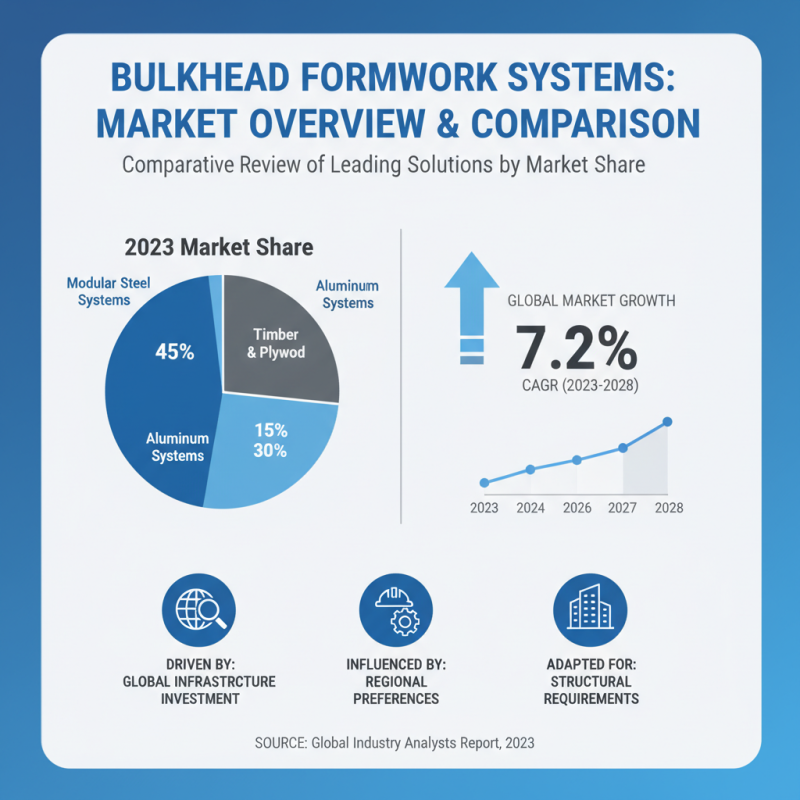
Comparative Review of Leading Bulkhead Formwork Systems by Market Share
The bulkhead formwork market is evolving rapidly. According to a recent report by Global Industry Analysts, the demand for bulkhead formwork systems is projected to grow at a compound annual growth rate (CAGR) of 7.2% from 2023 to 2028. This surge is driven by increasing investments in infrastructure projects worldwide. Different systems show varying market shares, influenced by regional preferences and structural requirements.
A comparative analysis reveals that the most successful systems prioritize efficiency and flexibility. Systems that can adapt to various project scales tend to hold larger market shares. Studies indicate that modular systems are gaining traction, as they reduce labor costs and assembly times. However, there are notable challenges. Many users report difficulties with the weight of certain materials and the complexity of assembly for more intricate designs.
Furthermore, while automation in formwork solutions seems promising, integrating new technologies can be both costly and complex. Effective training and maintenance are essential. The industry must reflect on these pain points to refine offerings. Stakeholders need to engage in evaluating the overall user experience to improve product design and functionality.
Environmental Impact of Bulkhead Formwork Solutions and Sustainability Practices
The environmental impact of bulkhead formwork solutions has become a critical topic in construction. This type of formwork is essential for retaining walls, basements, and other structures requiring strong support. However, its material composition raises concerns about sustainability. Traditional bulkhead systems often utilize reinforced concrete and heavy metals, which can have long-lasting effects on ecosystems once disposed of improperly.
Many construction professionals are recognizing the need for sustainable practices. There is a growing interest in using recycled materials and innovative designs that minimize waste. For instance, modular formwork systems can often be reused multiple times, reducing the demand for new materials. This approach not only lessens the environmental footprint but also enhances economic efficiency.
Nevertheless, challenges remain. The lifespan of materials must be carefully considered. Some eco-friendly options may not withstand certain environmental stresses, leading to failures. This creates a need for ongoing research and dialogue within the industry. Stakeholders must continuously evaluate their choices to balance performance with ecological responsibility, ensuring the industry's growth aligns with sustainable practices.
Environmental Impact of Bulkhead Formwork Solutions
Case Studies: Successful Global Projects Utilizing Advanced Bulkhead Formwork
The construction industry has seen a notable shift towards advanced bulkhead formwork solutions. A recent report highlighted that bulkhead formwork can enhance project efficiency by up to 30%. This statistic underscores the growing reliance on versatile and adaptive formwork systems in large-scale projects.
One illuminating case study involved a high-rise development in Europe. This project faced complex site conditions and tight timelines. By utilizing advanced bulkhead formwork, the construction team achieved remarkable results. The formwork’s modular design allowed quick assembly and disassembly, reducing downtime significantly. Workers reported a 25% time savings in pouring concrete, showcasing the system's effectiveness.
However, not all projects have experienced seamless execution. Challenges such as misalignment and unexpected site conditions can hinder even the best plans. Teams must engage in thorough planning and regular site assessments to mitigate these issues. Continuous learning and adaptability are essential for long-term success in using bulkhead formwork. The industry must acknowledge these challenges to enhance reliability and outcomes in future projects.
2026 Top Bulkhead Formwork Solutions for Global Buyers
| Project Location |
Project Type |
Bulkhead Formwork Type |
Key Features |
Completion Time (months) |
| New York, USA |
High-Rise Building |
Vertical Formwork |
Quick assembly, Durable materials |
24 |
| Tokyo, Japan |
Bridge Construction |
Reinforced Formwork |
High load capacity, Lightweight |
18 |
| Berlin, Germany |
Commercial Complex |
Modular Formwork |
Flexible design, Cost-effective |
30 |
| Dubai, UAE |
Residential Towers |
Steel Formwork |
Sustainability, High reusability |
20 |
| Sydney, Australia |
Infrastructure Project |
Hybrid Formwork |
Adaptable features, Enhanced speed |
15 |