How to Use Flexible Concrete Formwork for Innovative Construction Solutions?
In the realm of modern construction, "flexible concrete formwork" is emerging as a transformative solution. This innovative approach allows for complex shapes and designs, which traditional methods struggle to achieve. A recent industry report highlighted that innovations like flexible formwork can reduce material consumption by up to 30% and construction time by 20%. Such improvements reflect a growing trend towards sustainability and efficiency in construction practices.
Implementing flexible concrete formwork poses challenges. While it can create intricate architectural designs, the learning curve for teams may slow initial adoption rates. Moreover, not all markets are equipped to handle the required technology. However, the potential for customization and adaptability makes it an appealing option for architects and builders. Errors in early projects could lead to increased costs, but this underscores the need for thorough training and planning.
The future of flexible concrete formwork holds promise. As more companies invest in this technology, study results are likely to yield further insights. Continuous improvements in material science may enhance the performance of flexible formwork. On the flip side, the industry must address the skills gap and ensure professionals are well-prepared for these innovations.
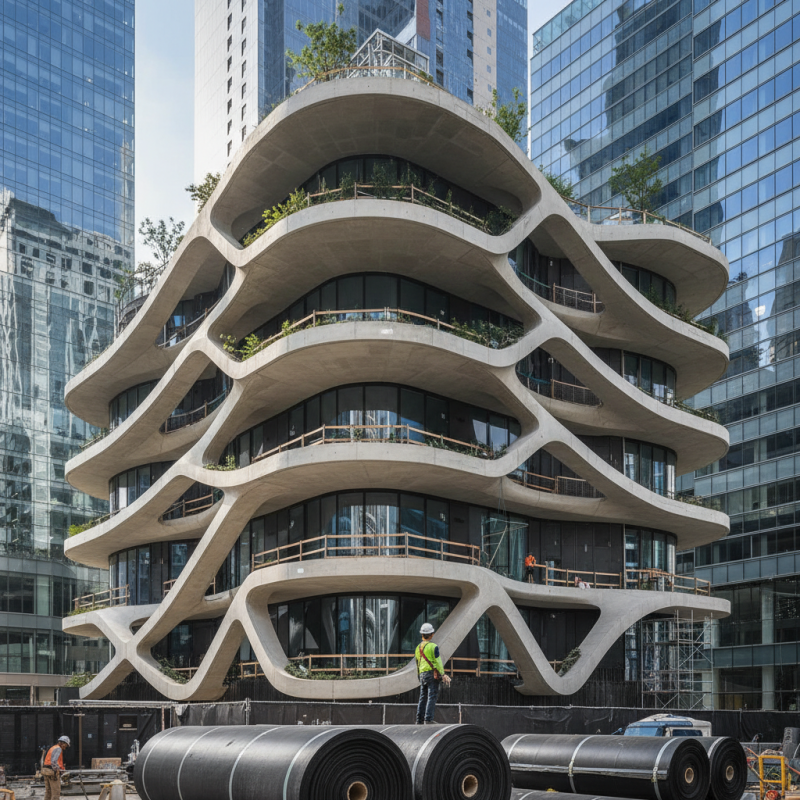
Understanding Flexible Concrete Formwork and Its Advantages
Flexible concrete formwork has gained traction in recent years for its numerous advantages in construction. This innovative approach allows for versatile shapes and designs, enhancing architectural creativity. According to a report by the Global Construction Review, using flexible formwork can reduce material waste by up to 30%. This not only lowers costs but also contributes to sustainable building practices.
Design flexibility is a standout benefit. Designers can create unique structures that traditional methods may not permit. With flexible forms, curves and complex shapes become possible. A study by the American Concrete Institute highlights that projects utilizing this method saw a 20% decrease in labor costs. This efficiency is appealing to many construction professionals.
Tips: Ensure proper planning when using flexible formwork. Always consider the structural integrity of the design. Testing prototypes can help identify any weaknesses. Additionally, don’t overlook the potential challenges in installation. Tools may be needed to secure and maintain the formwork during the pour. Reflect on these aspects to guarantee successful application.
How to Use Flexible Concrete Formwork for Innovative Construction Solutions?
| Dimension | Description | Advantages | Applications |
|---|---|---|---|
| Material Flexibility | Ability to conform to various shapes | Reduces waste and allows for creative designs | Curved walls, sculptural forms |
| Ease of Installation | Lightweight and easy to handle | Speeds up construction time | Residential buildings, commercial spaces |
| Cost Efficiency | Lower material costs compared to traditional formwork | Reduces overall project budget | Affordable housing projects |
| Durability | Resistant to weather conditions | Long-lasting and reusable | Infrastructure, civil engineering works |
| Versatility | Can be used for various concrete applications | Adaptable to different construction methods | Precast elements, in-situ casting |

Related Posts
-
Top Benefits of Circular Formwork for Construction in 2025
-
What is Flexible Formwork and How Can It Benefit Your Construction Projects
-
How to Choose the Right Circular Column Formwork for Your Construction Project
-
2025 Top Round Column Formwork Techniques and Best Practices Guide
-
How to Choose Bendy Formwork for Your Construction Project?
-
Top 2025 Guide to Beam Slab Formwork Techniques and Best Practices