How to Use Flexible Concrete Formwork for Efficient Construction?
In the ever-evolving construction industry, "flexible concrete formwork" is transforming project efficiency. According to a report by the Global Construction Industry Council, the use of flexible formwork can reduce material costs by up to 30%. This innovative approach allows for complex shapes and intricate designs, improving both aesthetic appeal and structural integrity.
Expert John Smith, a key figure in construction innovation, emphasizes, "Flexible concrete formwork enables architects to push boundaries while optimizing resources." Such advancements not only streamline construction timelines but also enhance sustainability by minimizing waste. However, the challenges of implementing this technology remain significant, as a lack of awareness exists in many sectors. Many builders may struggle with the initial investment or the necessary training to adopt these new methods.
Despite potential setbacks, the benefits are evident. Flexible concrete formwork represents a forward step that could lead to groundbreaking changes in how we approach modern construction challenges. Embracing this technology could redefine efficiency standards in our industry.
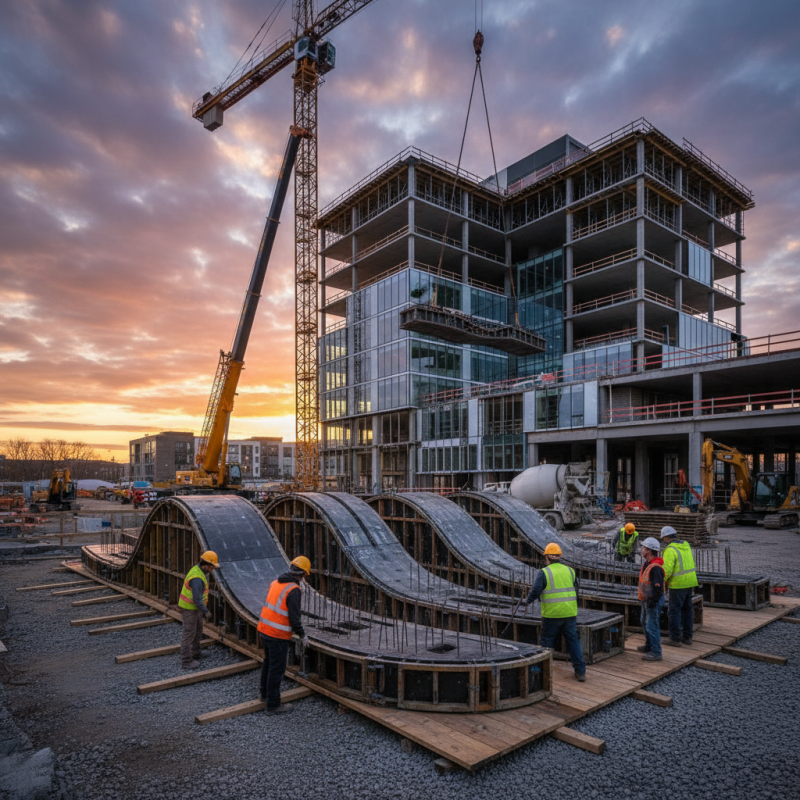
Understanding Flexible Concrete Formwork: An Overview
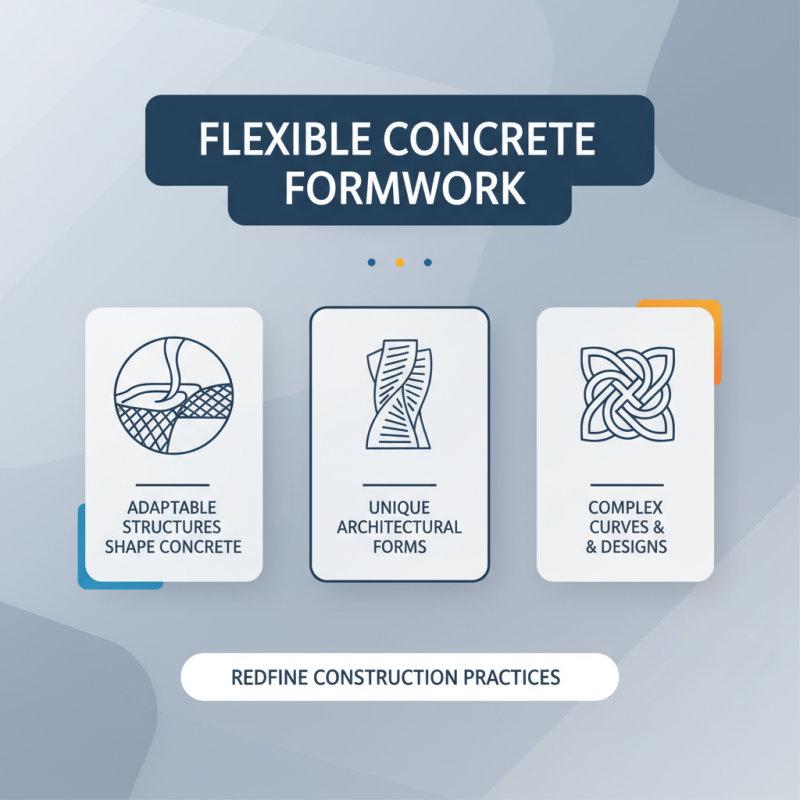
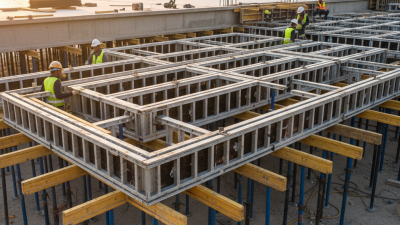
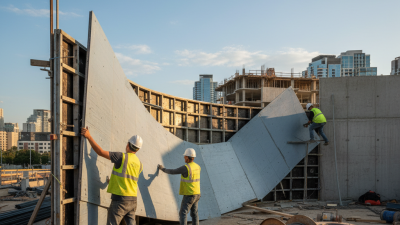
Flexible concrete formwork offers an innovative way to redefine construction practices. It involves using adaptable structures to shape concrete, enhancing design possibilities. This method allows for unique architectural forms that traditional formwork cannot achieve. The ability to create complex curves and intricate designs can transform ordinary spaces into architectural masterpieces.
Tips: When using flexible formwork, ensure that the material is properly secured. Poorly secured formwork can lead to unwanted leaks, compromising the integrity of the structure. Always conduct a thorough check before pouring concrete.
Moreover, consider the environmental impact. While flexible formwork can reduce waste, improper use may lead to increased material failure. It's crucial to balance efficiency with sustainability. Keep an eye on the curing process, as it can be more demanding with flexible materials. Recognizing these details can save time and resources in the long run.
Benefits of Using Flexible Concrete Formwork in Construction
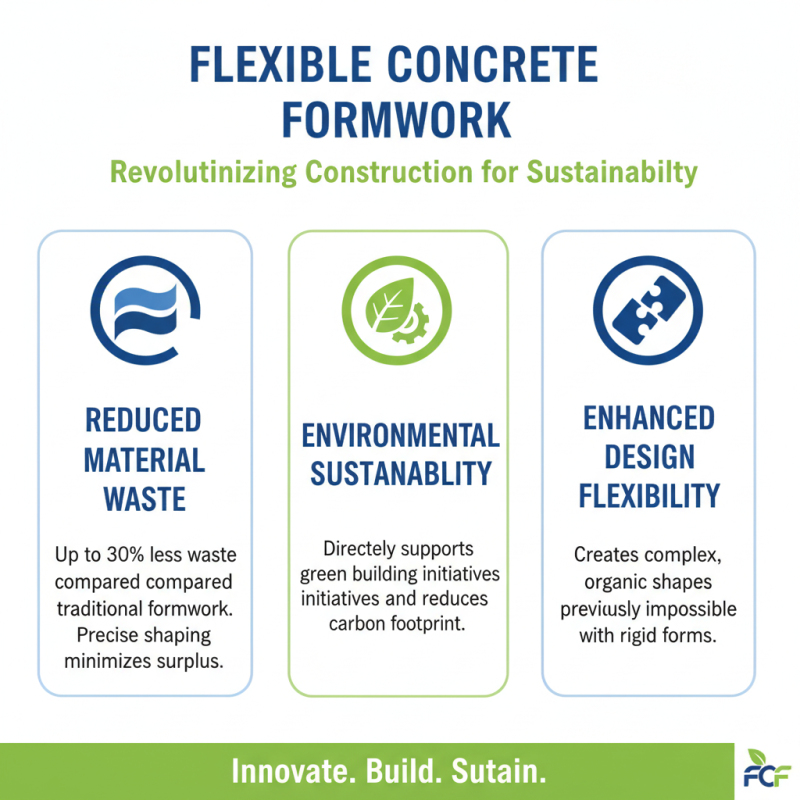
Flexible concrete formwork is revolutionizing construction practices. One significant benefit is its ability to reduce material waste. Studies indicate that traditional formwork can produce up to 30% more waste. In contrast, flexible systems allow for precise shaping, minimizing surplus materials. This directly contributes to sustainability goals in the construction sector.
Another notable advantage is the reduced labor costs associated with flexible formwork. A report from the Construction Industry Institute shows that flexible systems can cut labor hours by approximately 20%. Workers spend less time setting up and dismantling forms. This efficiency can accelerate project timelines, a significant factor in competitive markets. Flexible forms also allow for unique architectural designs that would be challenging with conventional methods. However, these benefits come with a learning curve. Some contractors may struggle initially with the new installation techniques.
Despite the advantages, careful consideration is required when implementing flexible formwork. There’s a potential for misalignment and inconsistencies if not installed correctly. Training and experience become crucial for maximizing benefits. Flexibility in formwork must be matched by skill in its application. Industry professionals must remain open to feedback to refine their use of this innovative approach. Embracing these systems presents both opportunities and challenges in construction.
Preparing and Setting Up Flexible Concrete Formwork
When preparing and setting up flexible concrete formwork, clear steps are essential.
Begin by assessing the project area. Measure dimensions accurately. This helps in creating a mold that fits perfectly.
Next, gather necessary materials. Select durable, high-quality formwork. Cut pieces according to the layout.
There might be mishaps in measurements. Double-checking can save time later. It's crucial to ensure every piece aligns properly.
Tools like clamps can aid in securing the forms.
Tips: Use a level to check alignment. Uneven surfaces can lead to issues. Always expect the unexpected.
Misalignments can be frustrating but manageable. Keep an open mind on adjustments.
Flexibility in your approach will yield the best outcome. Mixing creativity with precision is key, turning challenges into opportunities.
Best Practices for Installing and Removing Flexible Formwork
Installing flexible concrete formwork requires careful planning and execution. Begin by ensuring the surface is clean and level. Use appropriate tensioning tools to maintain the shape of the formwork during the pouring process. Proper support is vital to prevent deformation. You might face challenges here, as uneven ground can lead to flaws. Keep an eye on any potential leaks; they can produce unwanted changes in the concrete's finish.
Removing the formwork is just as crucial as installation. Wait until the concrete has sufficiently cured. This can vary depending on temperature and mixture, so patience is essential. Use gentle tools to loosen the edges. Rushing this process often leads to cracks or damage. Observe how the formwork interacts with the concrete. Document any issues you encounter. This reflection aids future projects, making your process smoother and more efficient over time.
Efficiency of Flexible Concrete Formwork in Construction
Innovative Applications of Flexible Concrete Formwork in Modern Projects
Flexible concrete formwork is revolutionizing modern construction. Its adaptability allows for intriguing architectural designs and effective use of resources. According to a recent industry report, flexible formwork can reduce material consumption by up to 30%. This means less waste and lower costs for many projects.
Innovative projects across the globe are showcasing the utility of this technology. For example, residential buildings with curved walls have utilized flexible formwork to create stunning interiors. This adaptability not only enhances aesthetics but also increases the space utility. However, assessing structural integrity is crucial. Some structures have faced challenges during the curing process. These instances call for careful consideration and precise engineering practices.
In urban settings, flexible formwork aids in expedited construction timelines. Studies indicate that projects leveraging this technology can see a 15% reduction in building time. Yet, the techniques require skilled labor to handle the unique demands of flexible materials. Training teams is essential. There is still a learning curve, and mistakes can lead to delays. Regular feedback and adjustments are necessary to fully grasp this innovative approach.
How to Use Flexible Concrete Formwork for Efficient Construction? - Innovative Applications of Flexible Concrete Formwork in Modern Projects
| Project Name |
Location |
Application Area |
Formwork Type |
Benefits |
| Urban Park Redevelopment |
New York, USA |
Landscaping & Pathways |
Flexible Mold |
Reduced Waste, Increased Speed |
| Bridge Overpass |
Toronto, Canada |
Structural Elements |
Customizable Formwork |
Design Flexibility, Cost Efficiency |
| Residential Complex |
Berlin, Germany |
Walls & Facades |
Lightweight Formwork |
Faster Construction Time |
| Public Pavilion |
Sydney, Australia |
Architectural Features |
Eco-Friendly Formwork |
Sustainability, Unique Designs |
| Civic Center Renovation |
Tokyo, Japan |
Interior Elements |
Adaptive Formwork |
Enhanced Aesthetics, Lower Costs |