How to Choose the Right Bracing Formwork for Your Construction Project
Choosing the right bracing formwork is a critical step in ensuring the success of any construction project. The importance of selecting appropriate bracing formwork lies in its ability to provide structural stability, support, and safety during the construction process. With a multitude of options available in the market, understanding the specific requirements of a project and the various types of bracing formwork can greatly influence the efficiency and effectiveness of construction efforts.
In this guide, we will explore key considerations when selecting bracing formwork, including the load-bearing capacity, environmental conditions, and the overall design of the structure. Factors such as the type of materials used and the complexity of the project can significantly impact the choice of bracing formwork, making it essential for construction managers and teams to be well-informed. By carefully analyzing these elements, construction professionals can optimize their workflows, minimize risks, and ultimately contribute to the successful completion of their projects.
Understanding the Importance of Bracing Formwork in Construction
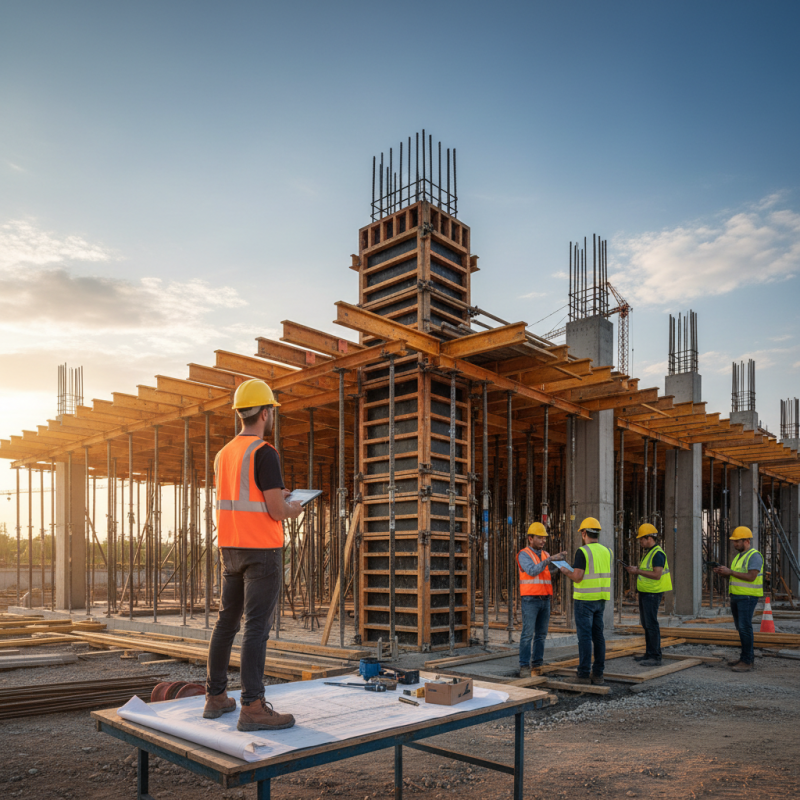
Bracing formwork plays a crucial role in ensuring the structural integrity and safety of construction projects. According to a report by the International Journal of Structural Engineering, inadequate bracing can lead to failures that not only compromise the build but also pose significant safety risks to workers on-site. Effective bracing secures formwork systems against lateral loads and minimizes deformation during the curing of concrete. Understanding the importance of selecting the right bracing formwork is vital; it can significantly influence project timelines and budgets by enhancing stability and reducing the likelihood of costly delays.
When choosing bracing formwork, it is essential to assess load requirements, site conditions, and material strengths. Consulting industry guidelines, such as those from the American Concrete Institute, can help in making informed decisions that align with best practices.
Tips: Always conduct a thorough site analysis to identify environmental factors that may impact bracing load capacities. Utilizing simulations or stress analysis can aid in selecting the right formwork system, ensuring that it meets the unique challenges posed by your construction environment. Additionally, keep abreast of new research findings and advancements in formwork technologies, as they can offer innovative solutions to improve performance and safety.
How to Choose the Right Bracing Formwork for Your Construction Project
| Bracing Type |
Material |
Load Capacity (kN) |
Installation Difficulty |
Cost ($) |
| Diagonal Bracing |
Steel |
50 |
Moderate |
500 |
| X-Bracing |
Aluminum |
40 |
Easy |
450 |
| K-Bracing |
Composite |
60 |
High |
600 |
| Braced Frame |
Wood |
35 |
Moderate |
300 |
| Cross Bracing |
Steel |
70 |
High |
550 |
Types of Bracing Formwork: An Overview
Bracing formwork plays a crucial role in construction projects by providing stability and support during the pouring and curing of concrete. There are several types of bracing formwork, each with unique features and applications that cater to different construction needs. The most common types include diagonal bracing, which offers robust support and minimizes lateral movement, and horizontal bracing, known for enhancing rigidity along specific elements of the structure. Additionally, modular bracing systems are gaining popularity due to their adaptability and quick assembly, allowing for efficient project management.
When selecting the right type of bracing formwork, consider the specific requirements of your project, including building height, design complexity, and environmental conditions. Tips for making the right choice include consulting with experienced contractors or engineers who understand the unique demands of your construction site. Furthermore, evaluating the load-bearing capacity of different bracing systems will ensure that they can withstand the weight and pressure imposed during the concrete setting phase.
Additionally, always prioritize safety during formwork installation and erection. Ensure that all bracing systems comply with local building codes and safety standards to prevent accidents. Regularly inspecting the bracing setup for signs of wear or instability will help maintain a secure working environment, allowing your project to progress smoothly and efficiently.
Factors to Consider When Choosing Bracing Formwork
When selecting bracing formwork for your construction project, there are several vital factors to consider that can significantly impact the overall efficiency and safety of the build. First, assess the specific structural requirements of your project. The load-bearing capacity of the bracing system should meet or exceed the pressures anticipated during construction. Understanding the type of materials you will be using and their characteristics will also guide your choice. For instance, if your project involves heavier materials, a robust and sturdy bracing system that can accommodate these demands is essential.
Another crucial element is the ease of installation and dismantling. Choose a bracing formwork that allows for quick setup and takedown, thereby minimizing labor costs and time on-site. Consider the experience of your crew; simpler designs may be more effective if your team lacks advanced training in formwork assembly.
Lastly, evaluate the environmental conditions where the construction will take place. Factors such as wind, rain, and temperature variations can affect the stability of the bracing system. Selecting a formwork that can withstand adverse weather conditions will ensure both the safety of your team and the integrity of the project. By carefully considering these factors, you can choose the right bracing formwork that aligns with your project's unique needs.
Evaluating Material Options for Bracing Formwork
When selecting bracing formwork for a construction project, it's essential to evaluate the material options available, as they significantly influence structural integrity and project efficiency. Traditional materials like timber and steel have been staples in the industry, but recent advancements have introduced alternatives, such as engineered wood products and composite materials.
According to a report by the American Institute of Steel Construction (AISC), steel bracing systems can exhibit a strength-to-weight ratio that surpasses traditional timber, allowing for lighter overall structures and reduced transport costs.
Moreover, the choice of material can impact labor and assembly time. A study published in the Journal of Construction Engineering and Management indicated that projects using prefabricated bracing systems could reduce installation time by up to 30%, leading to significant savings. This efficiency not only shortens project timelines but also minimizes on-site labor costs, which can be particularly beneficial in tight economic conditions. Evaluating material options should also consider environmental factors, as sustainable materials increasingly gain favor in the construction sector, with a 2022 report from the World Green Building Council noting that over 40% of new projects prioritized eco-friendly materials in their bracing systems, aligning with global sustainability goals.
Best Practices for Installing and Maintaining Bracing Formwork
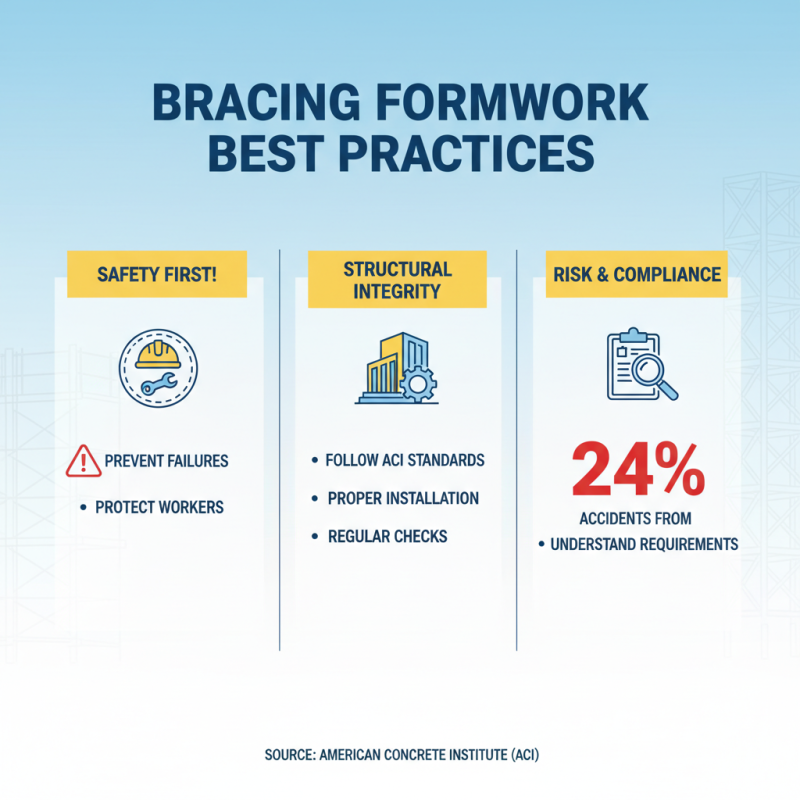
When installing and maintaining bracing formwork for construction projects, it is essential to adhere to best practices to ensure safety and structural integrity. According to the American Concrete Institute, improper installation can lead to significant failures, with reports indicating that 24% of construction accidents are related to scaffolding and formwork failures. Consequently, a thorough understanding of the specific requirements for bracing formwork is critical.
One of the key practices in maintaining bracing formwork involves regular inspections and assessments. The Occupational Safety and Health Administration (OSHA) recommends inspecting the formwork components before each work shift. This includes checking for any signs of wear, corrosion, or damage that could compromise the system's stability. Additionally, ensuring that bracing ties are properly installed and tightened can prevent catastrophic failures, as studies highlight that inadequate tensioning increases the risk of formwork collapse by up to 30%.
Moreover, proper alignment and securing techniques greatly influence the reliability of bracing formwork. Utilizing a combination of cross-bracing and vertical supports can distribute loads more evenly, thereby enhancing stability. Furthermore, industry standards emphasize the importance of employing trained personnel for installation who are familiar with load calculations and stress limits, which can mitigate potential risks. Following these best practices not only increases worker safety but also contributes to the longevity and effectiveness of the formwork system throughout the construction process.