How to Choose the Best Static Frequency Changer for Your Needs?
Choosing the right Static Frequency Changer (SFC) is crucial for various applications. An SFC can manage frequency variations, ensuring that equipment operates smoothly. Several factors influence this decision, from application needs to power requirements.
Understanding your specific needs is essential. For example, consider the voltage range, load type, and installation environment. Various types of SFCs are available, each with unique features. Some may be better suited for industrial use, while others fit commercial applications.
Expert insights into reliability and efficiency can guide your selection. It's important to recognize that not all SFCs are created equal. There's no one-size-fits-all solution. Take time to assess brands and models. Reflect on user reviews and industry standards to ensure you make an informed choice. Remember, the right Static Frequency Changer can enhance performance and extend the life of your equipment.
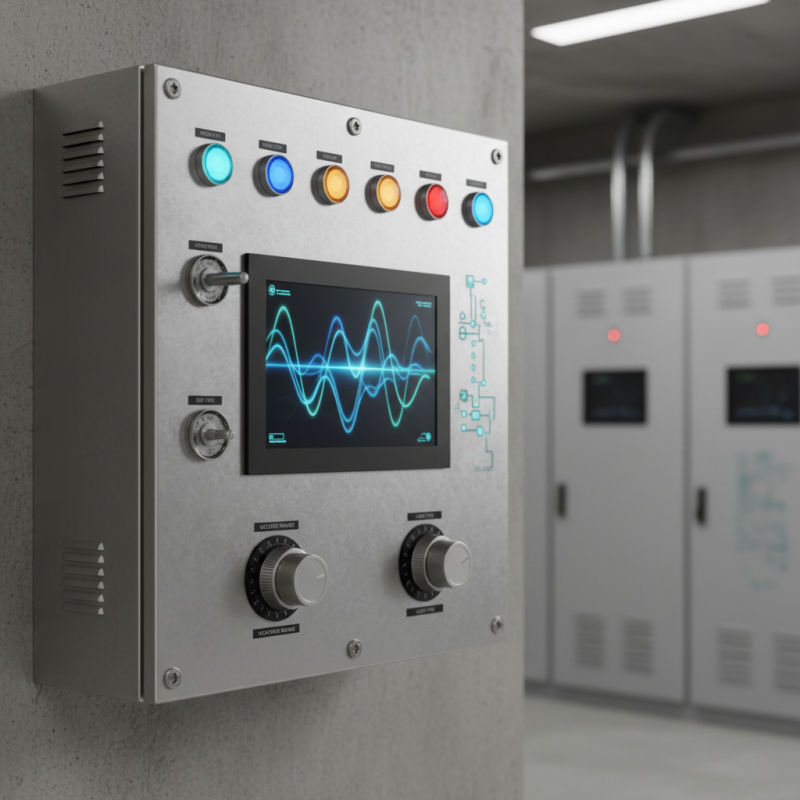
Understanding Static Frequency Changers and Their Applications
Static frequency changers (SFCs) play a vital role in numerous applications, including renewable energy integration and industrial motor control. By converting power frequencies, SFCs can support equipment that operates on different frequency standards. The global market for SFCs is projected to grow significantly, reaching a value of $7 billion by 2025, according to recent industry reports. This underscores their importance in a variety of sectors.
In wind and solar power applications, SFCs help synchronize energy generation with grid frequency. This is crucial for maintaining stability in renewable energy sources. A study by the International Energy Agency suggests that integrating SFCs could improve energy efficiency by up to 20%. However, not all SFCs are equally effective. Factors such as operating range and efficiency ratings must be carefully evaluated. Users often overlook these aspects, leading to suboptimal performance.
Moreover, while SFCs offer technical advantages, they also present challenges. Installation and maintenance can be complex, demanding skilled personnel. Many users report difficulties in selecting the right model due to diverse operational needs. Reviews indicate that a deep understanding of an SFC's specifications and applications can prevent costly mistakes. Consequently, investing time in research and consultation is essential for making informed choices.
Key Factors to Consider When Choosing a Static Frequency Changer
When selecting a static frequency changer, focus on key factors that align with your needs. One critical aspect is the power capacity. Assess your equipment's requirements carefully. Ensure that the frequency changer can handle your load without strain. Using an undersized unit may lead to failures or poor performance. Always think ahead. Will your needs grow? Choose a model that offers some flexibility.
Another vital consideration is efficiency. Look for models that maintain high efficiency levels. This impacts operational costs significantly. A smaller decrease in efficiency can lead to considerable financial loss over time. Prioritize options with reliable thermal management systems. They can prevent overheating and potential damage. Regular maintenance is necessary but can sometimes be overlooked.
Tip: Engage with user reviews. They provide insights into real-world performance. This can save you from potential pitfalls. Additionally, consider consulting with experts in static frequency changers to gain tailored advice.
Understanding the technology is essential. Familiarize yourself with different types of static frequency changers available. Each has unique advantages and disadvantages. Some may lack notable features that are crucial for specific applications. Don’t rush the decision; reflect on what will serve you best.
Comparing Different Types of Static Frequency Changers Available
When choosing a static frequency changer, it’s vital to compare the different types available. There are several designs, each suited to specific applications. Some models offer compact dimensions, making them ideal for tight spaces. Others provide high power capacities, important for industrial operations.
Static frequency changers come in various configurations. Some are designed for sensitive equipment, ensuring stable output frequency. Others cater to heavy machinery, where robust performance is crucial. Consider the voltage requirements as well. Mismatching these can lead to inefficiencies and issues.
Another factor to think about is the installation process. Some units are user-friendly, while others require expert installation. Assess your technical capability. This can save time and avoid frustration. Analyze the maintenance needs too. Regular checks can prolong the lifespan of the device. The right choice balances performance, ease of use, and reliability.
Evaluating the Technical Specifications of Static Frequency Changers
When selecting a static frequency changer, understanding technical specifications is crucial. Parameters such as capacity, voltage, and efficiency play vital roles. For instance, a well-documented industry report reveals that 80% of system failures can be traced back to inadequate power handling. This emphasizes the need to evaluate input and output specifications thoroughly.
Capacity rating should align with your load requirements. A frequency changer that operates beyond its rated capacity may overheat or fail, causing significant downtime. Take note of the efficiency ratings. High-efficiency models can reduce energy costs by approximately 10-20%. This can add up over time, making them a wise investment for businesses.
Consider factors like harmonics and THD (Total Harmonic Distortion). Reports suggest that THD levels above 5% can degrade equipment lifespan. It's essential to weigh these technical details against your operational needs. This decision process can reveal gaps in understanding the suitability of various models. Balancing specifications with practical requirements can lead to better long-term outcomes.
Assessing Costs and Benefits in Selecting a Static Frequency Changer
When selecting a static frequency changer, understanding the costs and benefits is crucial. Static frequency changers are essential for industries requiring stable power supply frequencies. According to a recent market report, the global static frequency converter market is projected to grow by approximately 8% annually over the next five years. This growth signals increasing reliance on these devices for improved efficiency and reduced operational costs.
Evaluating the initial investment against long-term savings is vital. While upfront costs can be significant, potential reductions in energy consumption and equipment wear can offset these expenses. A study indicated that companies could save 15-20% on energy bills by upgrading to more efficient frequency changers. Additionally, the longevity of machinery can increase, reducing maintenance costs over time.
However, not every application may benefit equally. For some, the complexity of installation and integration can lead to unforeseen challenges, including equipment compatibility issues. It's important to assess whether these challenges align with your operational needs and budget. Balancing the immediate financial outlay with anticipated long-term gains requires careful consideration and sometimes even a bit of trial and error.
Static Frequency Changer Cost and Benefit Analysis