How to Choose the Best Bedroom Tiles for Your Home?
Choosing the right Bedroom Tiles is crucial for creating a serene and welcoming space. Expert designer Lisa Bowman emphasizes, "The right tiles transform a bedroom from ordinary to extraordinary." When selecting tiles, consider not just aesthetics but functionality and comfort. Bedroom Tiles should enhance the overall mood and feel of the room.
This process can feel overwhelming. With countless options available, it’s easy to get lost in decisions. Think about the colors that resonate with you. Warm tones can evoke coziness, while cool hues promote tranquility. Texture also plays a vital role; smooth tiles offer a modern look, while patterned ones add character.
Moreover, reflect on practical factors like maintenance and durability. Some tiles require more care than others. If your lifestyle is busy, choose durable, easy-to-clean options. The perfect Bedroom Tiles should not only look good but also fit your routine and personality, creating a harmonious environment to unwind.
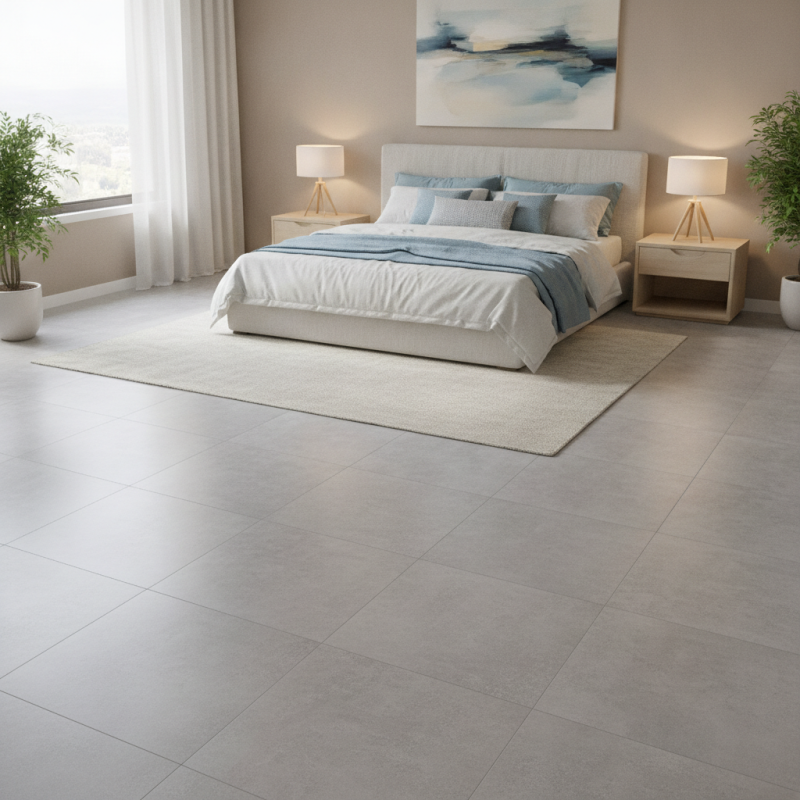
Choosing the Right Tile Material: Porcelain vs. Ceramic for Bedrooms
When deciding on tile material for bedrooms, two popular options emerge: porcelain and ceramic. Both materials have their own benefits and drawbacks. According to a 2022 survey conducted by the Tile Council of North America, approximately 70% of homeowners prefer porcelain tiles for their durability and water resistance. Porcelain is denser and less porous, making it ideal for areas prone to moisture, like bathrooms adjacent to bedrooms.
Ceramic tiles, on the other hand, are often favored for their affordability. With reports indicating that ceramic tiles can be over 30% cheaper than porcelain, many homeowners opt for them. They are lighter and easier to cut, which can simplify installation. However, some find they wear down more quickly in high-traffic areas. Additionally, ceramic tiles can absorb moisture, leading to potential issues if not properly sealed.
While both tiles offer unique advantages, the choice ultimately depends on lifestyle and preferences. Aesthetic appeal also plays a role; porcelain offers a more polished look, while ceramic tends to come in a wider variety of colors. Personal experience is crucial. Consider how you plan to use the space. Reflect on whether durability or cost will play a bigger role in your decision.
Evaluating Tile Durability: Understanding PEI Ratings in Bedroom Floors
When choosing the right tiles for your bedroom, evaluating durability is essential. PEI (Porcelain Enamel Institute) ratings help you understand the resilience of tiles under foot traffic. Tiles are rated from 1 to 5, with PEI 1 being suitable for walls and low-traffic areas, while PEI 5 tiles can withstand heavy foot traffic. By understanding these ratings, you can make an informed decision for your bedroom floor.
According to industry reports, over 70% of homeowners prioritize tile durability. This is crucial, as bedroom floors experience daily wear. A PEI rating of 3 often suffices for residential areas. However, if you have pets or kids, consider going for PEI 4 or 5. It’s important to remember that even the best-rated tiles might chip or scratch over time, and this is an aspect many overlook.
While aesthetic appeal is significant, it should not overshadow the importance of durability. A beautiful tile that wears out quickly can lead to costly replacements. Be mindful of the tile’s finish and texture, as well. Tiles with a matte finish can be less slippery, providing better safety for your family. Reflect on how long you want your investment to last, and weigh these aspects carefully.
Evaluating Tile Durability: Understanding PEI Ratings in Bedroom Floors
Exploring Aesthetic Appeal: Color and Texture Trends for Bedroom Tiles
When selecting tiles for your bedroom, color and texture are essential elements. They can dramatically enhance the space's overall feel. Soft colors like pastel blues or muted greens create a calming ambiance. Contrasting textures, such as matte and polished finishes, can add depth to your design. However, choosing the right combinations can be challenging. It's easy to feel overwhelmed by the options.
Tips: Consider the natural light in your bedroom. A room that receives plenty of sunlight may benefit from darker tiles to create balance. On the other hand, a dimly lit bedroom might require lighter shades to open up the space. Don't rush your decision. Performing a few test layouts can help clarify your preferences.
Engaging with current trends can be helpful, but personal taste should guide your choices. Textured tiles, like those with a wood or stone effect, are trendy. Yet, they can sometimes feel too rustic in a modern space. Assess how these styles harmonize with your existing decor. Always think critically about how different textures interact in your room. Mixing too many can lead to chaos rather than cohesion.
Assessing Slip Resistance: Ensuring Safety with Tile Ratings and Standards
When choosing tiles for your bedroom, slip resistance is crucial. It's essential to understand the tile ratings and standards to ensure safety. Many tiles are rated on a scale that measures their slip resistance. Look for tiles with a higher coefficient of friction. They provide better grip, especially in damp conditions.
Consider the materials and textures as well. Some tiles, like textured ceramics, offer natural slip resistance. However, they might require more maintenance. Glossy tiles look appealing but can be slippery when wet. Make sure to evaluate your space's specific needs; busy households may require more durable options.
It's also important to keep your lifestyle in mind. Homes with children or elderly residents need much safer choices. Think about how the tiles will function daily. Each tile type comes with pros and cons. Research can guide your decisions, but personal experience often reveals the best choice. Reflecting on past choices may inform future ones.
Calculating Costs: Average Prices and Budgeting for Bedroom Tile Installation
When budgeting for bedroom tile installation, understanding the average costs is crucial. According to industry reports, the price of ceramic tiles typically ranges from $1 to $15 per square foot, depending on quality and design. For porcelain tiles, the range can be slightly higher, averaging between $3 and $20 per square foot. These figures help homeowners estimate their total expenses. Additional costs, including labor and materials, usually add another $3 to $10 per square foot.
It's vital to factor in not just the tile costs but the entire installation process. Professionals generally charge between $4 and $8 per square foot for labor. A typical bedroom installation may cost anywhere from $1,000 to $3,000, based on the room size and tile choice. Some homeowners opt for DIY methods to save money, but this can lead to mistakes or imperfections. If the installation isn’t done correctly, it can disrupt future projects and lead to additional costs.
Considering the opportunity for mistakes, it’s wise to plan a budget while being realistic about skills. Assessing one's DIY abilities against professional help is essential. It may be tempting to economize, but quality materials and skilled labor may offer long-term value. Balancing cost and quality will ultimately lead to a satisfactory outcome for your bedroom renovation.