How to Choose the Right Wall Formwork System for Your Project?
Choosing the right wall formwork system is a crucial step in any construction project. According to John Smith, a leading expert in wall formwork, "Selecting the correct formwork can make or break your project." This highlights the importance of making informed decisions.
Wall formwork systems come in various types and materials. Each option has its pros and cons. For instance, traditional timber might be cost-effective but requires more labor. Aluminum systems are lightweight and reusable but may demand a higher initial investment. Projects vary widely in size and complexity, making it essential to evaluate specific needs.
Choosing wall formwork isn’t always straightforward. Misjudgments can lead to delays and increased costs. Understanding your project’s unique requirements is vital. Whether you’re working on a small residential building or a large commercial site, you must weigh the options carefully. Reflecting on choices can yield better outcomes and save resources in the long run.
Factors to Consider When Selecting Wall Formwork Systems
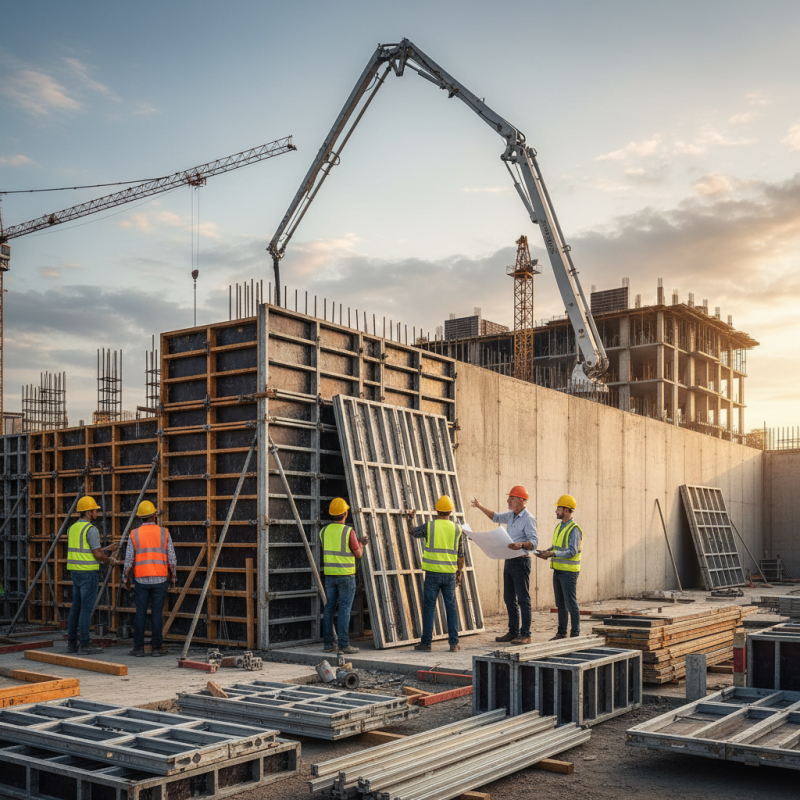
When selecting a wall formwork system, several critical factors come into play. Think about the project size and complexity. Larger and intricate structures demand robust systems that support weight and shape. Consider the material used in the formwork. Steel, aluminum, and timber each have their own benefits. Steel is durable but heavy, while aluminum is lighter yet strong.
Tips: Always evaluate your unique needs. Cost-effectiveness is also vital. Some systems may seem cheaper upfront but can cause issues later. Weight is another aspect to mind. Heavier options might require more labor or equipment on-site.
Another area to explore is the speed of assembly and disassembly. Some systems allow quick setup. Others can be cumbersome and time-consuming. A slow formwork system can delay the project. This affects deadlines and budgets. Reflect on your team’s experience with different systems. Familiarity can lead to efficiency or, conversely, more mistakes. Ignoring this can lead to frustration later.
Comparison of Traditional vs. Modern Wall Formwork Techniques
When considering wall formwork systems, understanding the differences between traditional and modern techniques is crucial. Traditional methods, such as timber formwork, have been widely used for decades. They rely on skilled labor and take longer to set up. Reports indicate that over 30% of construction delays are related to formwork issues. This shows that while traditional systems are reliable, they can hinder productivity.
On the other hand, modern wall formwork systems utilize advanced materials and technology. These systems often include prefabricated elements, which significantly reduce assembly time. According to recent industry data, projects using modern techniques can save up to 50% in setup time. However, they require a higher initial investment. This can deter some contractors, especially on smaller projects.
**Tip:** Always assess the project scale before choosing a system. If time is critical, modern formwork may be the best choice.
Another consideration is the labor force. Traditional systems depend heavily on skilled workers, which can be a challenge. Modern systems often require less specialized labor, which can lower costs. However, this can lead to quality concerns if the workforce lacks experience.
**Tip:** Training is essential when transitioning to modern techniques. Invest in upskilling your team to ensure quality and efficiency.
How to Choose the Right Wall Formwork System for Your Project?
| Feature |
Traditional Formwork |
Modern Formwork |
| Material |
Plywood, timber |
Steel, aluminum |
| Weight |
Heavy |
Lightweight |
| Setup Time |
Longer |
Shorter |
| Reusability |
Limited |
High |
| Cost |
Lower initial cost |
Higher initial cost |
| Construction Speed |
Slower |
Faster |
| Safety |
Potential hazards |
Safer design features |
Material Choices: Wood, Steel, and Aluminum in Wall Formwork
When selecting wall formwork systems, material choice plays a crucial role. Wood, steel, and aluminum all have unique characteristics that influence project outcomes. Wood is often favored for its cost-effectiveness and ease of handling. It offers good insulation properties but can be susceptible to moisture. In fact, moisture can reduce its lifespan by 20% if not managed properly.
On the other hand, steel is renowned for its strength. It provides a higher durability, especially in heavy-duty applications. According to industry reports, steel formwork can outperform wood in load-bearing capacity by up to 30%. However, it comes with increased weight, making transportation and setup more labor-intensive. Not all projects may justify the investment.
Aluminum presents a middle ground, offering a lightweight option that maintains a strong profile. It is resistant to rust, making it ideal for varying environments. However, its initial costs can be higher than wood. The decision may depend on project budget, timeline, and site conditions. Each material has its pros and cons, signaling the need for thoughtful consideration.
Material Choices in Wall Formwork Systems
This chart illustrates the cost per square meter of various wall formwork materials, providing insights into the financial considerations when selecting between wood, steel, and aluminum for construction projects.
Cost Analysis: Budgeting for Wall Formwork Systems in Projects
When budgeting for wall formwork systems, understanding cost dynamics is crucial. According to recent industry studies, formwork can account for 25-30% of the overall project budget. This percentage highlights the need for careful financial planning. The type of formwork chosen impacts costs significantly. Traditional timber forms may seem cheaper initially but often require more labor and maintenance.
On the other hand, engineered systems provide higher efficiency but come with a steeper price tag—up to 50% more than conventional options. However, they can save time. A study indicated that using modern systems can reduce construction time by 30%. Shorter timelines can lead to savings on labor and overhead costs. Evaluating these factors is essential, yet many overlook them.
Hidden costs can dramatically affect budgets. For instance, if the chosen system leads to delays, additional expenses arise. Rental costs for formwork can also have a significant impact. It's vital to weigh the benefits of faster assembly against increased upfront costs. Decisions made without comprehensive analysis might lead to regrettable overspending later in the project. Balancing immediate and long-term costs is challenging but necessary for a successful outcome.