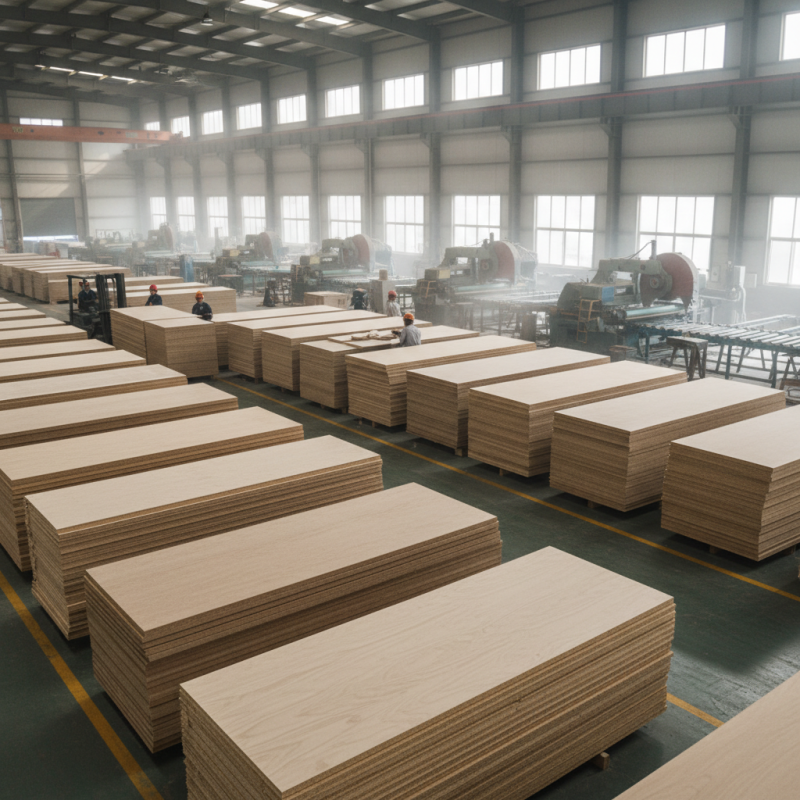
China Top Fiberboard Medium Density Board Suppliers?
In recent years, the demand for Fiberboard Medium Density Board has surged, particularly in China. This product is valued for its durability and versatility, making it a popular choice in furniture manufacturing and construction. China has emerged as a leading supplier, boasting a variety of manufacturers who specialize in this essential material.
However, not all suppliers are created equal. Some may promise high-quality products but fall short in actual performance. It’s crucial to assess suppliers based on their expertise, reliability, and customer feedback. This approach ensures that buyers obtain a product that meets their needs.
As we dive into the landscape of Fiberboard Medium Density Board suppliers in China, we will uncover the top players in the market. We must take a reflective approach here; while many companies excel, others need improvement. Understanding this dynamic can help consumers make informed choices.
Overview of the Fiberboard Market in China
The fiberboard market in China is experiencing significant growth and evolution. This sector is vital for various applications, including furniture and construction. The demand for medium density fiberboard (MDF) is particularly high due to its versatility and affordability. Many manufacturers have emerged, contributing to a competitive landscape.
Innovations in production techniques are shaping the market. Advancements in technology allow for enhanced quality and efficiency. However, challenges persist. Environmental regulations pose hurdles for many suppliers. There is pressure to adopt sustainable practices while maintaining profitability. This reflects the ongoing struggle to balance eco-friendliness with market demands.
As manufacturers strive to improve quality, supply chain issues also need addressing. Fluctuations in raw material prices can impact production costs. The pursuit of reliability in sourcing is crucial for sustainable growth. Companies must remain adaptable, responding to both market trends and regulatory demands to succeed. This dynamic environment clearly illustrates the complexity of the fiberboard market in China.
Key Manufacturers of Medium Density Fiberboard in China
Medium Density Fiberboard (MDF) has gained immense popularity in the furniture and construction industries. China is a leading producer of MDF, with numerous key manufacturers offering a variety of products. These companies leverage advanced technology and sustainable practices to meet rising global demand.
Several major players in the Chinese MDF market focus on quality and innovation. Many invest significantly in R&D to enhance product durability and performance. Factory conditions often vary, and some manufacturers struggle with maintaining consistent quality. This inconsistency can affect overall market reliability.
Understanding the landscape of MDF manufacturers in China is crucial for buyers. Many producers provide custom solutions, but careful selection is necessary. The best manufacturers prioritize eco-friendly materials and comply with strict regulations. Evaluating their Certifications can help buyers identify trustworthy suppliers.
China Top Fiberboard Medium Density Board Suppliers
| Supplier Country | Annual Production Capacity (Cubic Meters) | Export Volume (Cubic Meters) | Years in Business | Certifications |
| China | 500,000 | 250,000 | 15 | ISO 9001, CARB |
| Vietnam | 300,000 | 150,000 | 10 | ISO 14001 |
| Malaysia | 400,000 | 200,000 | 12 | FSC, CARB |
| Indonesia | 350,000 | 175,000 | 8 | ISO 9001 |
Quality Standards and Certifications for Fiberboard Products
When exploring the quality standards and certifications for fiberboard products, several aspects stand out. The International Organization for Standardization (ISO) provides critical guidelines that manufacturers must adhere to. For fiberboard, ISO 10545 focuses on the measurement of physical and mechanical properties. Compliance with these standards ensures that the products meet industry benchmarks.
Certifications play a pivotal role in establishing trust. Many suppliers seek certifications from recognized bodies. For instance, the American National Standards Institute (ANSI) sets performance criteria for medium-density fiberboard (MDF). A report by Research and Markets indicates that MDF's market is expanding, driven by its versatility and eco-friendly options. However, not all products meet these certifications, which can lead to inconsistencies in quality.
Moreover, environmental certifications, such as the Forest Stewardship Council (FSC) certification, are gaining importance. They assure that the materials come from sustainably managed forests. Suppliers lacking these certifications may face challenges as consumers become more environmentally conscious. The demand for certified products is increasing, pushing manufacturers to elevate their standards. This shift reflects a growing need for accountability in an evolving market.
Market Trends and Innovations in the Chinese Fiberboard Industry
The Chinese fiberboard industry is witnessing significant changes. Sustainability is becoming a mainstream focus. Manufacturers are investing in eco-friendly materials. This shift aims to reduce the environmental impact of production.
Innovations are also transforming the market. Advanced technologies improve the quality and durability of fiberboards. These innovations enhance manufacturing efficiencies. At the same time, they help meet growing consumer demands for better products. There’s a noticeable trend towards customized solutions. Different thicknesses and surface finishes cater to various applications.
However, challenges remain. The competition among suppliers is fierce. Some companies struggle to keep pace with technological advancements. Regulatory pressures may further complicate operations. Manufacturers must continually adapt to thrive in this dynamic environment. The balance between innovation and sustainability is crucial for long-term success.
Market Trends in the Chinese Fiberboard Industry
Export and Import Dynamics of Fiberboard in China
The export and import dynamics of fiberboard in China reflect a complex landscape. As of 2023, the country's fiberboard production reached approximately 50 million cubic meters, making it a significant player in the global market. However, China faces challenges such as fluctuating raw material costs and competition from emerging markets.
In recent years, China's fiberboard exports have shown a steady growth rate of around 6% annually. The main destinations include Europe and North America, where demand for sustainable products is rising. On the flip side, import levels have also increased, particularly for high-density fiberboard and specialized products. This trend highlights a market gap where local suppliers can enhance quality or innovate.
Trade policies and tariffs play a crucial role in these dynamics. Recent changes in international relations have led to uncertainties for exporters. Companies must navigate compliance and quality standards, which sometimes become hurdles. Such complexities can lead to delays and increased costs, prompting the need for strategic adjustments. Overall, the fiberboard industry in China continues to evolve, grappling with internal and external pressures while seeking growth opportunities.