Why is Bracing in Formwork Essential for Construction Stability?
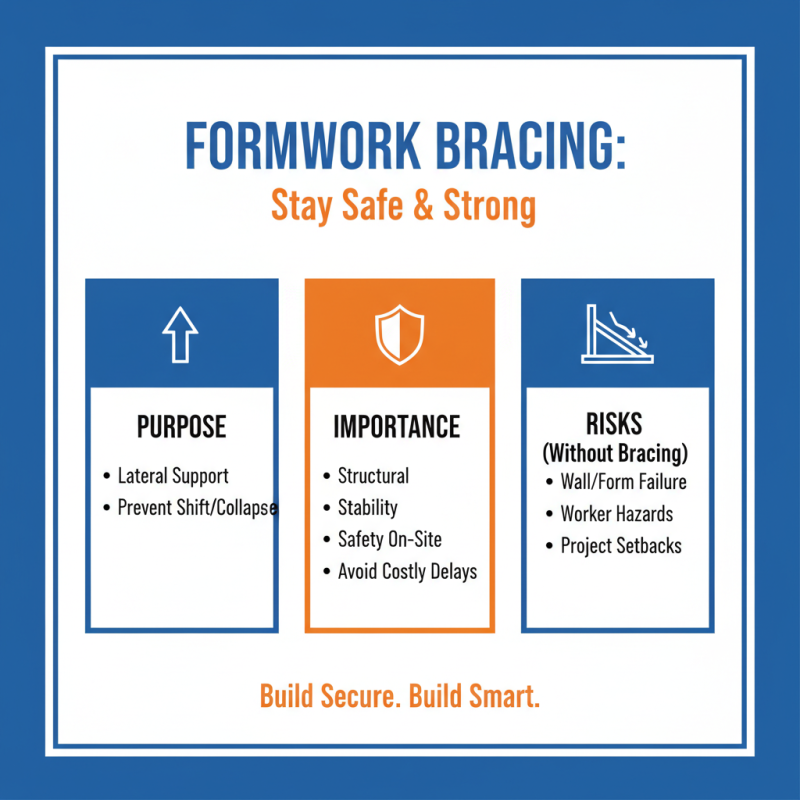
Bracing in formwork is a crucial element in construction projects. It provides essential support during the pouring and curing of concrete. Without proper bracing, structures might shift or collapse, leading to delays and safety hazards. Inadequate bracing can result in significant financial losses and harmful accidents.
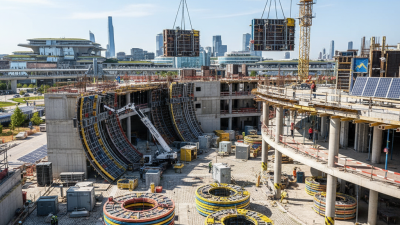
Consider a high-rise building under construction. Workers place heavy concrete forms. If these forms are not braced correctly, the weight can cause unpredictable movements. This instability poses a risk not only to the structure but also to those working on-site. Failed bracing can lead to tragic outcomes. It's a sobering thought for project managers and workers alike.
Choosing the right materials for bracing is not always straightforward. Builders often face choices regarding strength and flexibility. Mistakes can have serious consequences. Even minor flaws in bracing can lead to major structural issues. Therefore, understanding the importance of bracing in formwork is essential for a secure and stable construction environment.
Importance of Bracing in Formwork for Construction Stability
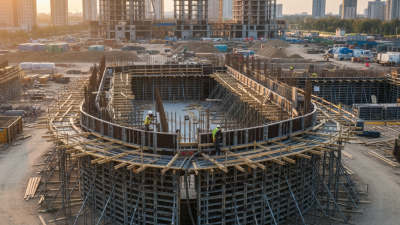
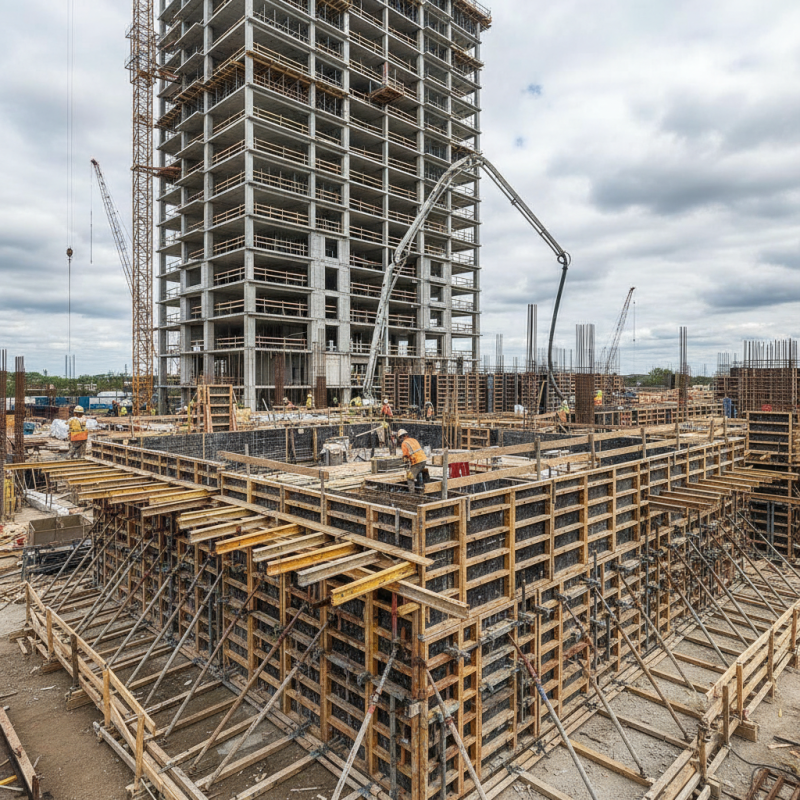
Bracing in formwork is crucial for construction stability. It ensures that the framework holds its shape during concrete pouring and curing. An unstable formwork can lead to catastrophic failures. When the formwork shifts or collapses, it risks worker safety and project integrity.
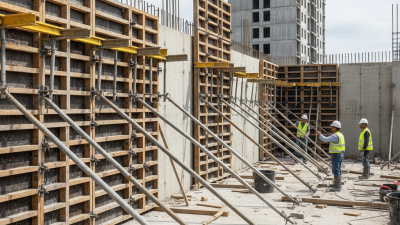
Solid bracing techniques can prevent many common issues. For instance, using diagonal braces helps distribute loads evenly across the structure. This technique counters lateral forces, keeping everything aligned. Pay attention to any signs of sagging or shifting in the formwork. If you notice anything unusual, stop work immediately to assess the situation.
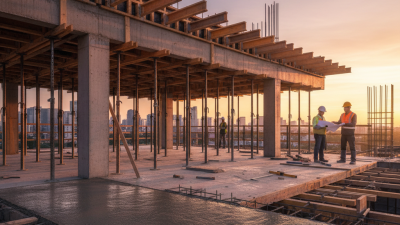
Tips: Always double-check your bracing setup before pouring concrete. A small mistake can lead to large problems. Regular inspections during the construction process are essential. Ensure that all connections are secure and that materials can handle the loads. Reflect on your practices and consider areas for improvement. Being proactive can save time and resources in the long run.
Types of Bracing Used in Formwork Systems
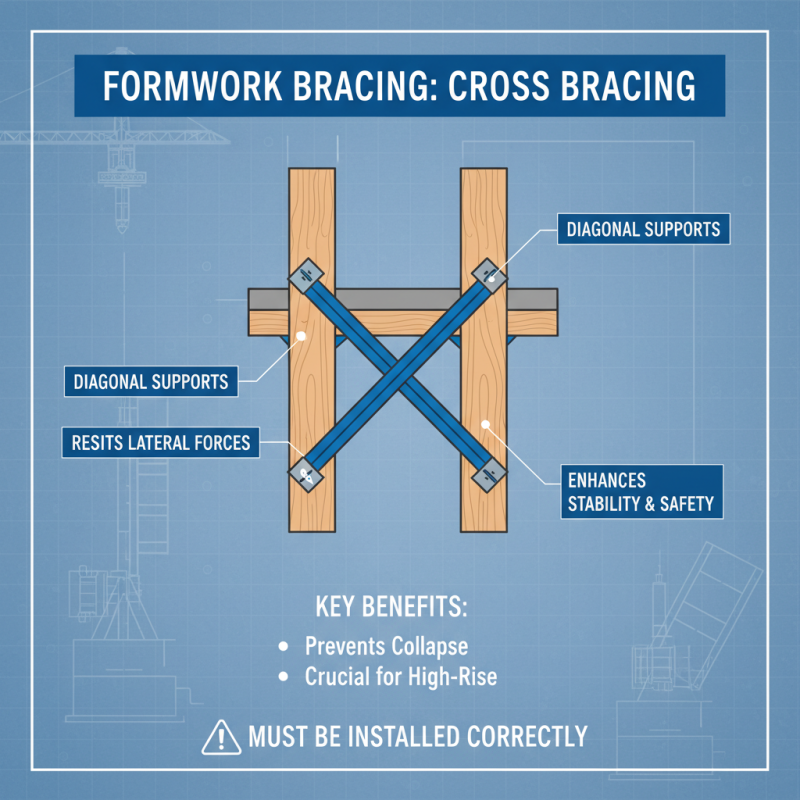
Bracing plays a vital role in formwork systems, ensuring stability and safety during construction. Various types of bracing are used, each with specific functions. Cross bracing is common; it involves placing diagonal supports that form an “X” shape. This design effectively distributes loads and resists lateral forces. This method enhances stability, but it must be installed correctly to be effective.
Another type is the lateral bracing. This method provides support along the length of the formwork. It prevents movement caused by wind or unexpected loads. This technique is particularly useful in high structures. While lateral bracing can be effective, installation errors can lead to failure. It’s essential for builders to ensure proper alignment and secure connections.
Tension bracing is also used, where cables or rods pull the formwork tightly together. This system is useful for large-scale projects where traditional bracing might not be sufficient. However, tension bracing can complicate access to the work area. Builders often find themselves needing to balance accessibility and stability. Reflecting on these methods is crucial. Each type of bracing has its advantages, yet challenges remain. Decisions made today can significantly impact future construction quality.
Mechanisms of Load Distribution Through Bracing
Bracing in formwork is crucial for construction stability. It plays a vital role in load distribution. Without proper bracing, structures risk collapsing under weight. A recent study shows that 30% of construction failures are linked to inadequate bracing. This highlights the importance of understanding load dynamics.
Bracing helps to distribute loads evenly across the frame. It absorbs forces that might otherwise cause buckling or structural failure. For instance, diagonal braces can effectively transfer compressive forces. This design choice reduces stress on vertical members. Engineers recommend employing bracing in high-rise projects and heavy-load scenarios.
However, many projects overlook the necessity of bracing. Some teams cut corners to save time or costs. This can lead to dangerous oversights. Construction safety reports indicate that improper bracing contributes to 40% of site accidents. Therefore, ensuring effective bracing is not just a matter of physics; it is a matter of safety.
Best Practices for Implementing Bracing in Formwork
Bracing in formwork is crucial for ensuring construction stability. It helps prevent deformation and collapse during the curing phase. Proper bracing can reduce the risk of accidents on site and enhance the overall safety of a project.
When implementing bracing, follow industry best practices. Use diagonal bracing to counteract lateral loads effectively. According to a report by the American Society of Civil Engineers, approximately 30% of construction accidents are related to inadequate bracing. This highlights the importance of investing time and resources into proper formwork systems. Ensure the bracing elements are installed correctly and inspected frequently.
Tips: Always check the alignment of bracing elements before pouring concrete. Use temporary bracing until the structure gains sufficient strength. Regularly monitor for any signs of strain.
Remember, not all projects require the same bracing solutions. Customization is key, and learning from past mistakes can improve future bracing strategies. A failure to adapt can lead to serious consequences. Stay informed and keep refining your approach to bracing in formwork.