Best Practices for Bracing in Formwork Techniques?
Bracing in formwork is a critical aspect of construction that ensures safety and stability during the building process. According to a recent report from the International Federation of Structural Engineers, approximately 40% of construction-related accidents arise due to inadequate bracing techniques. This highlights the importance of adhering to best practices.
Effective bracing in formwork prevents deformation and collapse, safeguarding both workers and materials. A study by the American Concrete Institute indicates that proper bracing can reduce project delays by up to 25%. However, many contractors still overlook these best practices, risking structural integrity and financial losses.
Emphasizing reliable techniques is vital. Implementing innovative bracing solutions can be effective, yet many projects fall short due to poor planning. Real-world data shows that less than 30% of construction firms follow updated bracing guidelines, leading to recurring issues. Learning from these gaps is essential for improving safety and efficiency in the industry.
Overview of Formwork Bracing Techniques
Bracing in formwork is crucial for maintaining structural integrity. Proper bracing helps prevent deformation during concrete pouring. According to a study by the American Institute of Steel Construction, inadequate bracing can lead to failures, costing the industry over $1.5 billion annually. It's evident that attention to bracing techniques is not just a best practice; it's essential for safety.
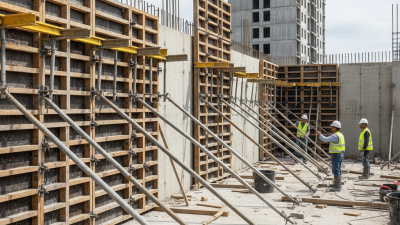
Common methods of bracing include cross-bracing and horizontal bracing. Cross-bracing forms an "X" between support structures, distributing loads effectively. Horizontal bracing provides lateral support along the structure, reducing sway. However, improper spacing and alignment during installation can diminish effectiveness. A review by the International Journal of Construction Engineering highlights that 25% of accidents stem from poorly braced formwork, emphasizing the need for stringent installation protocols.
Yet, even with best practices, challenges remain. Environmental factors, like wind and temperature, can impact formwork stability. Rigid adherence to guidelines may not account for real-time variables. Regular site inspections are necessary to evaluate bracing conditions. Training for crew members on adaptive bracing techniques is vital in addressing potential failures. By fostering a culture of safety and attentiveness, the construction industry can reduce risks associated with formwork bracing.
Key Materials Used in Formwork Bracing
When considering bracing in formwork techniques, the choice of materials plays a critical role. Common materials include timber, steel, and aluminum. Each material comes with its unique advantages. According to industry reports, steel bracing is often preferred for its high strength-to-weight ratio. It's also known for durability and ease of assembly. In contrast, timber bracing offers flexibility but may require more frequent inspections due to weather effects.
In addition to material choice, proper execution is vital. Accurate positioning of braces can prevent formwork from failing. A report by the American Concrete Institute emphasizes that misalignment could lead to cost overruns and safety hazards. For optimal performance, follow guidelines for spacing and angle specifications. Ensure your braces are not just functional but also enhance overall structure stability.
Tips: Regularly inspect your bracing systems. Look for signs of wear or damage. Consider conducting load tests to evaluate performance. Remember that the choice of material should align not just with project timelines but also with safety regulations. Reflect on past projects; understanding previous failures can provide valuable insights for improvement.
Design Considerations for Effective Bracing
When considering bracing in formwork, effective design is critical. The selection of materials should focus on strength and durability. Steel and engineered wood are popular choices due to their high load capacity. Additionally, bracing should form a triangular structure. Triangles distribute loads evenly, enhancing stability.
Load calculations are another vital aspect. Engineers must assess the anticipated forces on the formwork. This involves considering factors such as wind, equipment loads, and concrete pressure. Miscalculating these forces can lead to failures, often with dire consequences. Regular checks during construction ensure the bracing remains effective and intact.
While planning, practical challenges may arise. Workers might need to modify bracing in tight spaces, which can hinder stability. Revising the design for these scenarios is often necessary. Awareness of such limitations can improve overall safety. Designing with flexibility and anticipating potential issues fosters a more dependable framework.
Installation Steps for Bracing in Formwork
Bracing plays a critical role in the structural integrity of formwork systems. Proper installation ensures that the formwork can withstand loads and pressures during concrete placement. According to a report by the American Concrete Institute, nearly 30% of concrete failures can be traced back to improper bracing techniques. This highlights the importance of following best practices in installation.
Installation steps for bracing should begin with assessing the construction site. The ground must be level and stable. Next, identify the load points and distribute the weight evenly across the bracing system. This distribution is vital for preventing localized failures. Use diagonal braces to enhance stability. These braces should attach securely at both ends to minimize any sway. Remember, oversight in aligning the braces can create weaknesses in the formwork.
Regular inspections during the installation process are necessary. Check for any signs of wear or misalignment. Statistics show that about 20% of formwork issues arise from neglecting these inspections. Document any irregularities and make adjustments accordingly. Addressing these problems upfront can save time and money in the long run. The goal is to create a robust system that can adapt to the demands of construction while minimizing risks.
Best Practices for Bracing in Formwork Techniques
Common Challenges and Solutions in Bracing Techniques
Bracing is critical in formwork techniques, ensuring stability and safety during construction. However, executing effective bracing can present several challenges. For instance, improper alignment of braces can lead to structural failure. According to the American Society of Civil Engineers, almost 30% of construction project delays stem from misalignment issues. This statistic highlights the need for stringent quality checks during the bracing setup.
Another common challenge is the variability of site conditions. Weather, soil stability, and loads can significantly affect bracing effectiveness. A recent construction industry report indicated that up to 25% of projects face delays due to unexpected site conditions. Adapting bracing techniques to specific site needs is crucial. Utilize temporary bracing elements that can be easily adjusted, allowing for flexibility as conditions change.
Finally, communication among team members is key. A study by Construction Industry Institute found that poor communication contributes to 40% of bracing failures. Ensuring clear dialogue between architects, engineers, and laborers can mitigate risks. Regular safety meetings focused on bracing can also foster a culture of attentiveness and shared responsibility. Through addressing these challenges thoughtfully, the quality and safety of bracing in formwork can improve significantly.