2026 Best Plastic Construction Formwork Options for Building Projects?
As the demand for sustainable and efficient building materials grows, plastic construction formwork emerges as a popular choice. This innovative formwork solution is not only durable but also lightweight. It offers easy handling and installation, saving both time and labor costs. Many construction teams are now opting for plastic formwork due to its reusable nature, making it an environmentally friendly option.
However, selecting the best plastic construction formwork can be challenging. Numerous options exist, each with unique features and benefits. Some designs may not perform well in extreme weather conditions. Others may lack the necessary strength for larger projects. It's essential to evaluate different products carefully. The goal is to find the right balance between cost, performance, and sustainability.
Innovative technologies are shaping the future of plastic construction formwork. Companies are constantly developing improved materials and designs. Yet, with so many choices, making an informed decision requires attention to detail. By exploring the top options in 2026, builders can enhance project efficiency and realize quality outcomes.
Overview of Plastic Construction Formwork in the Building Industry
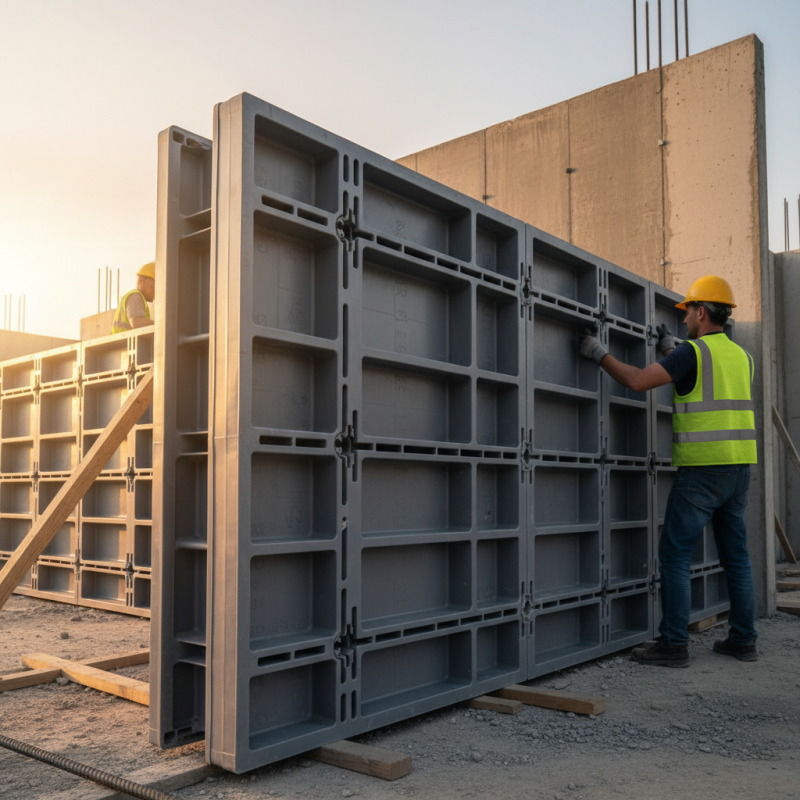
Plastic construction formwork has gained popularity in the building industry for various reasons. This alternative to traditional materials offers durability and reusability. It can withstand harsh weather conditions and reduces the risk of damage. Projects can benefit from faster setup and reduced labor time. However, not all projects may find plastic formwork suitable. It's essential to assess the specific needs before deciding.
When considering plastic formwork, here are some tips:
- Choose the right thickness for your project. Thicker panels provide better structural integrity.
- Ensure proper cleaning after use to maintain longevity. Some users neglect this, leading to wear and tear over time.
- Test different configurations if you’re unsure. Sometimes, a simple adjustment can make a significant difference.
Many builders worry about the initial cost.
Plastic formwork can seem expensive upfront. Yet, think about the long-term savings. The reusability factor often offsets the initial investment. Always calculate potential savings based on your projects. Each construction has its quirks; be ready to adapt your
approach. Working with plastic is different—
embrace the learning process.
Key Advantages of Using Plastic Formwork for Construction Projects
Plastic formwork is becoming a popular choice in construction projects. Its lightweight design makes transportation and setup easier. Builders appreciate the simplicity it brings. The quick assembly saves time on job sites. This can lead to significant cost savings. Contractors often find reusable plastic formwork beneficial for multiple projects.
One of the key advantages is durability. Plastic doesn't break or warp like wood. This can lead to more precise concrete finishes. Additionally, plastic formwork is easy to clean. A simple wash can prepare it for reuse. However, it’s essential to remember that not all projects will benefit equally. In colder climates, plastic forms may not insulate as well. This could affect curing times.
Environmental concerns also arise. While plastic is reusable, it ultimately contributes to waste. It's crucial to consider recycling options. In some cases, builders might overlook this aspect. They may focus solely on immediate advantages. Still, user experience shows that when managed well, plastic formwork yields lasting benefits.
Popular Types of Plastic Formwork Available in 2026
In 2026, plastic construction formwork continues to evolve, proving its effectiveness in building projects. Popular options include modular systems, which are lightweight and easy to assemble. These systems typically reduce labor costs by 30%, based on data from industry reports. Another common type is reusable plastic formwork, designed to withstand multiple pours. This durability often results in long-term savings for builders.
Tips: When selecting formwork, consider the project size. A modular system may not be suitable for smaller jobs. Additionally, ensure that your team receives proper training. Misuse can lead to delays and increased costs.
Traditional materials like wood can still pose challenges. They’re less durable and can warp over time. Plastic formwork addresses these issues, offering consistent results. Reports indicate that plastic options can improve concrete surface finish quality by 25%. However, one must remember that not all plastic formwork is created equal. Some systems may have limitations in specific weather conditions. Always check compatibility with local climate.
Tips: Regular maintenance of plastic formwork is vital. Small cracks can lead to major setbacks. A thorough inspection post-project ensures longevity. Investing in quality saves future headaches.
Factors to Consider When Choosing Plastic Formwork Solutions
When selecting plastic formwork solutions for building projects, several factors come into play. The durability of the material is crucial. Plastic formwork is often preferred for its ability to withstand various weather conditions without losing structural integrity. According to industry reports, utilizing robust plastic materials can reduce project costs by up to 30%. This offers a significant advantage for large-scale constructions.
Another important aspect is the ease of installation. Many plastic formwork systems are lightweight, making them easy to handle. This can speed up the construction process. A recent survey indicated that projects using lightweight formwork cut down installation times by as much as 25%. However, ensure that the system can maintain the desired concrete finish. Poor quality formwork can lead to surface imperfections, which may require additional finishing work.
Tips: Always test the formwork system before full deployment. Look for flexibility in design, as various projects may require customization. Consider the environmental impact. Some plastic formwork can be recycled, reducing waste. Re-evaluating these criteria during project planning can lead to better decision-making and ultimately improve the project's efficiency and quality.
2026 Best Plastic Construction Formwork Options for Building Projects
| Formwork Type |
Weight (kg/m²) |
Load Capacity (kN/m²) |
Reusability (Times) |
Installation Time (Hours) |
Water Resistance (Yes/No) |
| Standard Plastic Formwork |
18 kg/m² |
30 kN/m² |
100 times |
2 hours |
Yes |
| Modular Plastic Formwork |
15 kg/m² |
35 kN/m² |
120 times |
1.5 hours |
Yes |
| Insulated Plastic Formwork |
20 kg/m² |
25 kN/m² |
80 times |
3 hours |
Yes |
| Recycled Plastic Formwork |
22 kg/m² |
20 kN/m² |
50 times |
2.5 hours |
No |
| Custom Plastic Formwork |
19 kg/m² |
28 kN/m² |
90 times |
2 hours |
Yes |
Comparative Analysis of Plastic vs. Traditional Formwork Materials
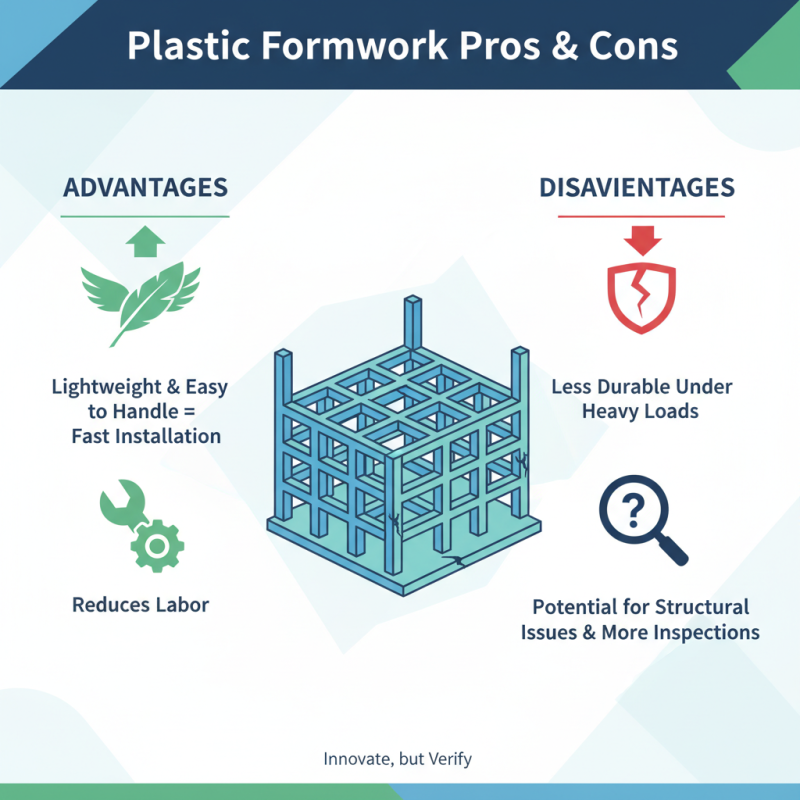
When considering formwork options for building projects, plastic materials present unique advantages. They are lightweight and easy to handle, which can speed up installation. However, durability is a point of concern. Some plastic forms may not withstand heavy loads as well as traditional alternatives. That can lead to structural issues, requiring additional inspections.
In contrast, traditional formwork, like wood or steel, offers proven strength. These materials have been used for decades and provide a strong foundation. Yet, they can be heavy and labor-intensive. The initial setup for these forms often demands more time and manpower. Environmental impacts are also a significant factor. Wood often requires deforestation, while plastics can contribute to waste problems.
Both options have their merits. Plastic formwork is often reusable, which can reduce waste in the long run. However, it may not be as recyclable as once thought. Stakeholders must weigh these factors carefully. Balancing cost, sustainability, and durability becomes crucial in decision-making. Ultimately, the choice of formwork can significantly influence the project's success.