2026 Best Cardboard Column Formwork Options for Your Construction Needs?

As construction evolves, the demand for efficient and sustainable materials becomes critical. Cardboard column formwork presents an innovative option for builders seeking lightweight and eco-friendly solutions. According to a recent report by the Global Construction Industry, the use of cardboard formwork can reduce waste by up to 30%. This insight is echoed by Dr. John H. Spencer, a renowned expert in sustainable construction practices. He states, “Cardboard column formwork not only minimizes environmental impact but also offers flexibility on-site.”

Choosing the right formwork is essential for project success. Cardboard column formwork stands out for its ease of use and cost-effectiveness. Many contractors, however, might be hesitant due to misconceptions about durability. It is crucial to acknowledge these doubts while emphasizing the advanced engineering behind modern cardboard designs. These structures, although made from cardboard, can withstand significant loads when correctly implemented.

In this landscape, understanding the benefits and limitations of cardboard column formwork is vital for construction professionals. It's a balancing act—embracing innovation while ensuring reliability. With the right approach, the future of construction can leverage the benefits of lightweight formworks, turning challenges into opportunities for growth and sustainability.
2026 Best Cardboard Column Formwork Options for Your Construction Needs?

Overview of Cardboard Column Formwork in Construction
2026 Best Cardboard Column Formwork Options for Your Construction Needs?

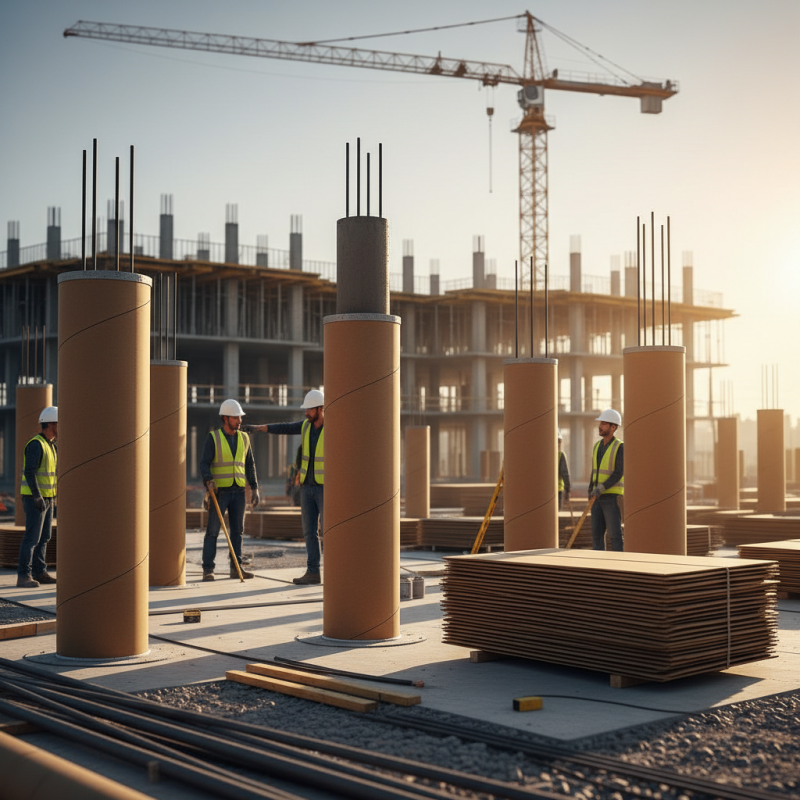
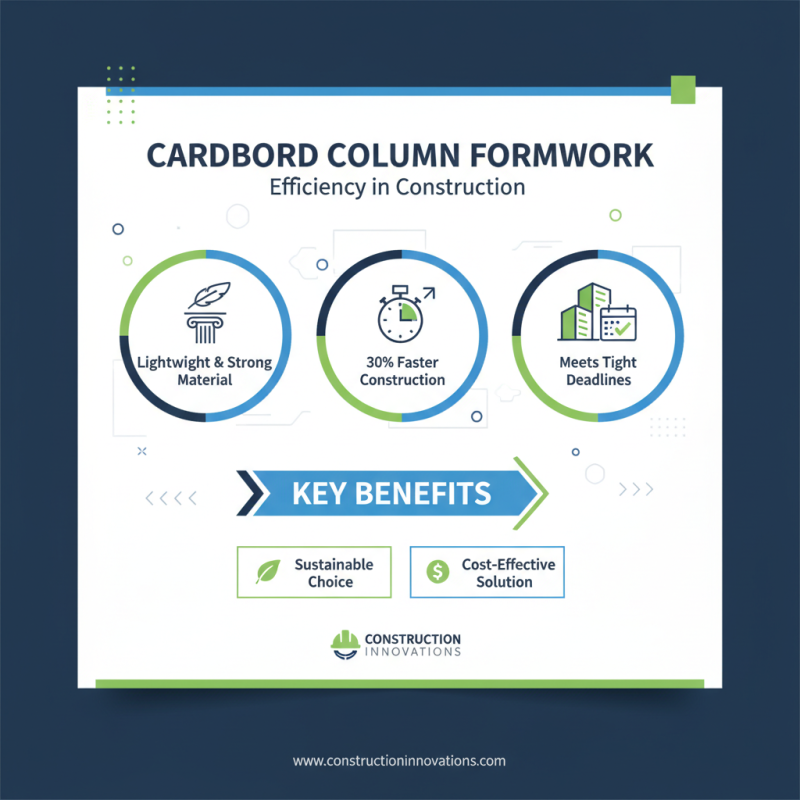
Cardboard column formwork has gained popularity in the construction industry. This material is lightweight, yet strong, making it an ideal choice for various projects. Reports indicate that cardboard formwork can reduce construction time by up to 30%. This efficiency is appealing as tight deadlines become more common.

One notable aspect of cardboard formwork is its sustainability. These products are often made from recycled materials. When disposed of, they can decompose and reduce environmental impact. Studies show that construction waste accounts for about 30% of landfill material. Innovating with cardboard could mitigate this issue significantly.

However, some challenges exist. Cardboard formwork needs careful handling and may not be suited for all climates. Performance can vary based on humidity and temperature. Construction managers must weigh these factors against benefits. The industry is evolving, and there’s room for improvement in durability and versatility.

Benefits of Using Cardboard Formwork Materials

Cardboard formwork materials are gaining traction in construction for their unique benefits. Lightweight and easy to transport, they simplify the building process. According to a recent industry report, cardboard formwork can reduce overall construction time by up to 20%. This efficiency appeals to contractors looking to optimize project schedules.

Using cardboard as formwork helps minimize waste. Traditional materials often end up in landfills. However, cardboard is biodegradable. This eco-friendly aspect resonates well with sustainability goals. Moreover, the strength of cardboard formwork has been tested, showing it can support significant loads without compromising safety.

While there are clear advantages, there are challenges. Cardboard may not be suitable for every climate condition. Wet environments can weaken it rapidly. Additionally, if mishandled, it may suffer structural failures. Construction teams need proper training to maximize its potential. The decision to use cardboard should weigh benefits against these limitations.

Types of Cardboard Column Formwork Available in 2026

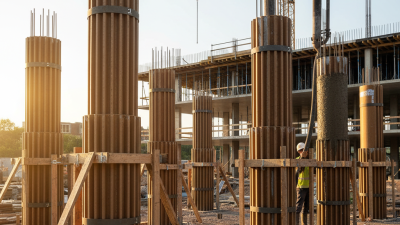
In 2026, cardboard column formwork options have diversified significantly. Various types are available to meet specific construction needs. These options range in size, shape, and strength. Some are designed for small residential buildings, while others cater to larger commercial projects. Their lightweight nature makes them easy to handle on-site.

One popular style is the round column formwork, which is ideal for creating smooth, rounded surfaces. Many builders appreciate its quick assembly and minimal waste. However, there can be challenges with stability in high-wind areas. Rectangular forms are also common. They allow for efficient use of concrete and are perfect for standard column shapes. Yet, they may lack versatility compared to their round counterparts.

Cardboard formwork is often eco-friendly. It can be recycled after use, which is a great advantage for builders focused on sustainability. Some options, however, might not provide the intended strength and durability. Users must be diligent when choosing the appropriate type for their specific project. Each choice carries benefits and drawbacks that must be weighed carefully.

2026 Best Cardboard Column Formwork Options for Your Construction Needs

Formwork Type Dimensions (mm) Weight (kg) Load Capacity (kN) Reusability Cost ($)
Standard Cardboard 300 x 300 5 25 3-5 times 50
Reinforced Cardboard 400 x 400 6 30 5-7 times 70
High-Density Cardboard 500 x 500 8 40 7-10 times 100
Eco-Friendly Cardboard 600 x 600 7 35 5-8 times 85

Factors to Consider When Choosing Cardboard Formwork

Choosing the right cardboard column formwork is critical for your construction project. Several factors come into play. The formwork should have a robust structure to support the weight of concrete. It must also be moisture-resistant to withstand harsh conditions. Different construction situations may require various types of formwork based on the design and load.

When evaluating options, consider the installation process. User-friendliness can save valuable time. Some designs might seem simple but can be complicated in practice. It’s essential to think about how quickly you can set up and dismantle the formwork. Keep in mind the required tools and manpower, as an oversight here could lead to delays.

Tips: Always check for environmental certifications. This ensures your choice is eco-friendly. Paying attention to the weight of the formwork can also significantly impact transport costs. A lightweight yet strong design can save both time and money. Remember, your choices today can affect the efficiency of your project tomorrow.

Best Practices for Implementing Cardboard Column Formwork

Cardboard column formwork is gaining popularity in construction. It's lightweight and easy to transport. However, using it effectively requires adherence to some best practices. First, ensure proper site preparation. Any debris or uneven surfaces can lead to instability. This instability may result in uneven column shapes.


Another important aspect is to follow the manufacturer’s guidelines closely. Each product comes with specific instructions. Good execution is key to the success of the formwork. Also, be aware of moisture levels. Too much or too little can adversely affect the cardboard’s integrity. Regular checks help identify issues before they escalate.


Finally, using cardboard formwork is not without its challenges. Durability remains a concern, especially in adverse weather conditions. Continuous monitoring and adaptation are necessary to address potential problems. Embrace the learning curve as you implement this innovative solution in your projects. The journey of using cardboard formwork can lead to better practices and improved outcomes over time.