2026 Best Basin Bridge Mixer Tap for Global Buyers?
In the world of home design, the Basin Bridge Mixer Tap stands out as a crucial element. Renowned expert Sarah Green, a plumbing consultant with over fifteen years of experience, emphasizes, "The right tap can transform a space." This statement reflects the importance of selecting a quality mixer tap for aesthetic and functional purposes.
When considering a Basin Bridge Mixer Tap, buyers should evaluate both style and utility. A well-designed tap enhances the overall look of a bathroom or kitchen. However, many options exist in the market, leading to confusion. Shoppers may find it challenging to balance beauty with performance.
Choosing the best mixer tap requires careful consideration. Brands vary widely in quality and design. Some may look appealing but fail to last. Potential buyers must reflect on their needs and preferences before making a decision. A well-informed choice can significantly impact daily usage and satisfaction.
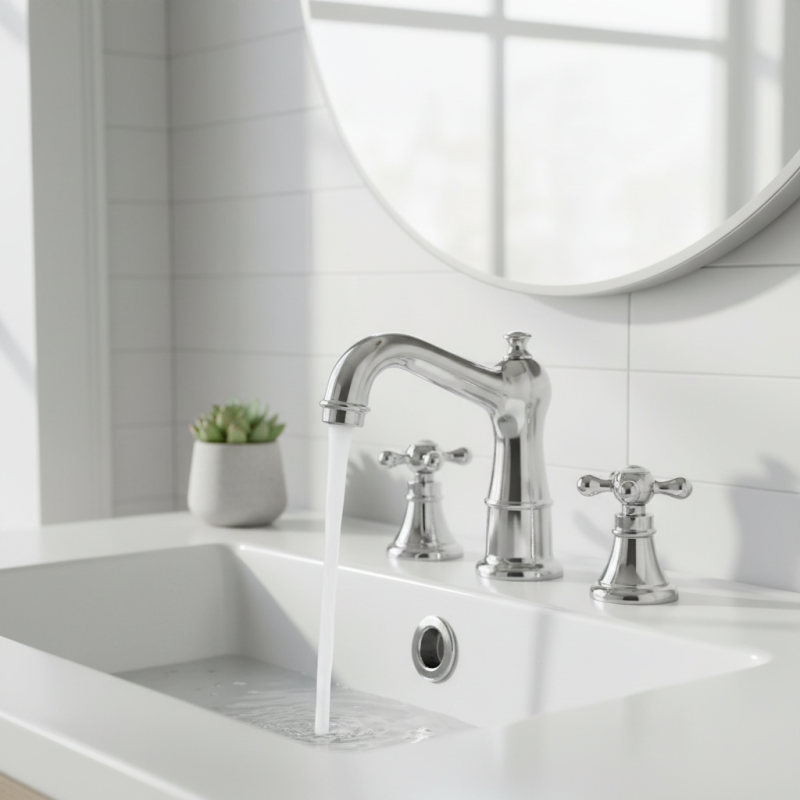
Features to Consider When Choosing a Basin Bridge Mixer Tap
When selecting a basin bridge mixer tap, several features determine its functionality and style. One important aspect to consider is the build material. High-quality metals resist corrosion and wear. A brass or stainless steel tap offers durability and strength, ensuring longevity. However, cheaper alternatives may seem appealing but may lead to frequent replacements.
Spout height and reach play crucial roles in comfort and usability. A taller spout allows easy filling of larger pots. Meanwhile, a spout with a good reach avoids splashes. Additionally, the lever mechanism should feel smooth. A stiff or squeaky lever can detract from the overall experience. It's essential to test it in-store, if possible.
Water flow rate is another vital factor. A flow rate of about 6 liters per minute is ideal for efficiency. However, a balance between pressure and flow is necessary. High pressure without enough flow could lead to splashing. Lastly, aesthetics should align with your bathroom’s design. A sleek design enhances visual appeal, yet it must also feel comfortable in use. Choosing the right basin bridge mixer tap requires careful consideration of all these elements.
Top Brands of Basin Bridge Mixer Taps in 2026
When it comes to basin bridge mixer taps, various brands offer a wide range of styles and functionality. In 2026, leading brands are focused on practicality and design. Many taps are now available with better aerators, ensuring a powerful water flow with minimal splashing. A well-designed tap not only enhances the aesthetic but also improves water usage efficiency.
Some faucet brands have embraced eco-friendly materials. This shift reflects a growing awareness of environmental impact. However, not all products live up to their promises. Instances of poor-quality finishes and unreliable mechanisms can surface. Buyers should consider user reviews as they provide insight into the long-term reliability of these products.
Innovation is evident in this space. Smart taps with touchless technology are gaining traction, adding convenience. Yet, the learning curve can be steep for some users. It's essential for buyers to weigh their options. Look for features that suit your needs without getting overwhelmed by intricate mechanics. The right balance of functionality and ease of use is key.
2026 Best Basin Bridge Mixer Tap for Global Buyers
| Model | Material | Finish | Water Flow Rate (L/min) | Warranty (Years) | Price (USD) |
| Model A | Brass | Chrome | 6 | 5 | 120 |
| Model B | Stainless Steel | Matte Black | 8 | 7 | 150 |
| Model C | Zinc Alloy | Brushed Nickel | 5 | 2 | 80 |
| Model D | Brass | Polished Gold | 7 | 6 | 200 |
Comparative Analysis of Price Ranges for Basin Bridge Mixer Taps
When considering basin bridge mixer taps, price ranges can vary significantly. Some models are budget-friendly, priced around $50 to $100. These options often feature basic designs and standard materials. While they may suffice for many households, potential buyers should consider durability and longevity.
On the higher end, premium taps can range from $200 to $500. These typically include advanced technology, better materials, and aesthetic designs. Investing in a top-tier mixer tap often means enhanced functionality and style. However, it’s essential to evaluate if the added features truly align with your needs.
Moreover, mid-range options, priced between $100 and $200, offer a balance. They can provide better quality than the budget variety without reaching high-end costs. Buyers might find it challenging to decide. Is it worth spending more for additional features? Assessing personal preferences and budget constraints is crucial. This reflection can lead to a more satisfying purchase.
Installation and Maintenance Tips for Basin Bridge Mixer Taps
Installation and maintenance of basin bridge mixer taps are crucial for ensuring their long-term functionality. According to a recent industry report, improper installation can lead to leaks, resulting in water wastage of up to 15% in residential settings. This not only affects your water bill but also contributes to environmental concerns. Ensuring a secure fit is vital.
When installing these taps, consider using plumber's tape. This simple addition can seal threaded connections securely. Make sure to check for any signs of leaks after installation. Regularly inspect the handles and spout for any wear and tear. A study suggested that 30% of tap failures are due to neglected maintenance.
Maintenance requires less effort than one might expect. Regular cleaning with a soft cloth can prevent buildup and sediment. Avoid harsh chemicals. They can corrode the finish over time. Have a tool kit ready for minor adjustments. A little diligence can go a long way in maintaining these essential fixtures.
Consumer Reviews and Ratings of Popular Basin Bridge Mixer Taps
When selecting a basin bridge mixer tap, consumer reviews act as a guiding light. Shoppers often share their experiences, highlighting both the pros and cons of different models. Many users appreciate the sleek design and ease of use. Others express frustration about durability issues. Such feedback gives potential buyers a clearer picture of what to expect.
Quality is a vital factor in choosing the right tap. Many consumers focus on materials used in construction. High-quality metals tend to resist corrosion better. However, not everyone is satisfied. Some people find that even well-reviewed models show signs of wear after a short period. This inconsistency often prompts discussions among online forums.
Installation is another common theme in these consumer reviews. Some users report straightforward setups that only take minutes. Yet, others mention complicated instructions and missing parts. These experiences showcase the diverse range of products available. Ultimately, relying on authentic consumer feedback can lead to a more informed purchase decision in this market.