10 Best Adjustable Column Formwork Solutions for Your Construction Needs?
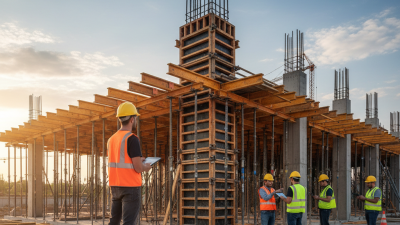
In the realm of construction, the significance of adjustable column formwork cannot be overstated. Renowned expert Dr. Michael Johnson, a leader in formwork technology, emphasizes, “Choosing the right adjustable column formwork is critical for project efficiency and safety.” It is a key element that influences building stability and cost management.
Adjustable column formwork offers versatility, allowing for various column shapes and sizes. This adaptability is essential for modern construction projects, which often feature unique designs. However, selecting the best solution requires careful consideration. Builders must assess factors such as load-bearing capacity and ease of assembly.
Despite advancements, challenges persist. Some systems may not align with specific project requirements, leading to inefficiencies. Additionally, the availability of materials can vary, causing delays. Reflecting on these complexities reminds us that an informed choice in adjustable column formwork is vital for a successful project outcome.

10 Innovative Features of Adjustable Column Formwork Solutions
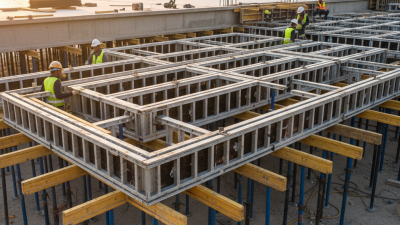
Adjustable column formwork solutions are essential in modern construction. They offer flexibility and efficiency in building vertical structures. Here are ten innovative features found in these systems.
One key feature is versatility. Adjustable column formwork can adapt to various sizes and shapes. This helps with different project requirements. Another notable aspect is ease of assembly. Construction teams can set up these systems quickly. This saves time and reduces labor costs. Simplified workflows enhance overall productivity on site.
Consider weight distribution. Many adjustable systems effectively manage weight. This prevents structural damage and instability. Advanced material technology improves durability. Some formwork options resist weather conditions, extending their lifespan.
Tips: Always check the load capacity before installation. Miscalculations can lead to serious safety issues. Regular inspections are crucial. This ensures the structural integrity remains intact over time. Also, keep in mind the importance of training for your crew. Understanding the equipment can prevent mishaps. Inadequate knowledge can lead to mistakes that are costly and dangerous.
Comparative Analysis of Material Types in Adjustable Formwork Systems
When selecting adjustable column formwork systems, material type plays a critical role. Steel, aluminum, and plastic are the primary materials used. Each has distinct properties that affect strength, weight, and durability. According to a 2021 market analysis report, steel formwork has a higher strength-to-weight ratio, making it ideal for heavy-duty applications. However, its higher cost can be a barrier for some projects.
Aluminum formwork is favored for its lightweight nature. It is easier to handle compared to steel. On the downside, aluminum is less durable particularly in harsh conditions. A recent industry study noted that projects using aluminum systems reported 20% more wear and tear over time. Conversely, plastic formwork systems are gaining traction due to their corrosion resistance. Yet, they often lack the structural integrity required for larger construction endeavors.
This comparative analysis highlights the importance of choosing the right material based on specific project needs. The decision impacts not just immediate costs, but long-term maintenance and durability. Making an informed choice demands careful evaluation and sometimes difficult reflections on cost versus performance.
10 Best Adjustable Column Formwork Solutions for Your Construction Needs
| Formwork Type |
Material |
Height Range (m) |
Weight Capacity (kN) |
Adjustment Mechanism |
Average Cost ($) |
| Column Formwork A |
Steel |
2.0 - 5.0 |
60 |
Manual |
1200 |
| Column Formwork B |
Aluminum |
1.5 - 4.5 |
50 |
Hydraulic |
1500 |
| Column Formwork C |
Plastic |
2.0 - 6.0 |
40 |
Manual |
800 |
| Column Formwork D |
Steel |
3.0 - 7.5 |
70 |
Electric |
1800 |
| Column Formwork E |
Aluminum |
2.5 - 5.5 |
55 |
Manual |
1300 |
Performance Metrics: Load Capacity and Stability of Column Formwork
When it comes to column formwork solutions, load capacity and stability are key factors. Adjustable column formwork can support various loads. This flexibility suits various building projects. However, not all systems handle the same weight. You need to assess your project requirements carefully.
Tips: Always check the load rating. It tells you how much weight the formwork can support. Consider the concrete mix and height of the columns. These can significantly affect stability.
Stability is also crucial for safety. If the formwork sways or shifts, it can lead to disasters. Always ensure the formwork is level and securely fastened. Inspect regularly for any signs of wear. Even minor issues can lead to major failures. Relying solely on the manufacturer's guidance isn't enough. Maintain your own standards.
Tips: Use props to add stability. Adding bracing can also enhance support. Remember, a stable setup is vital for a successful pour. Don't underestimate these factors. Small oversights can lead to big problems.
Cost-Effectiveness: ROI of Using Adjustable Column Formwork in Projects
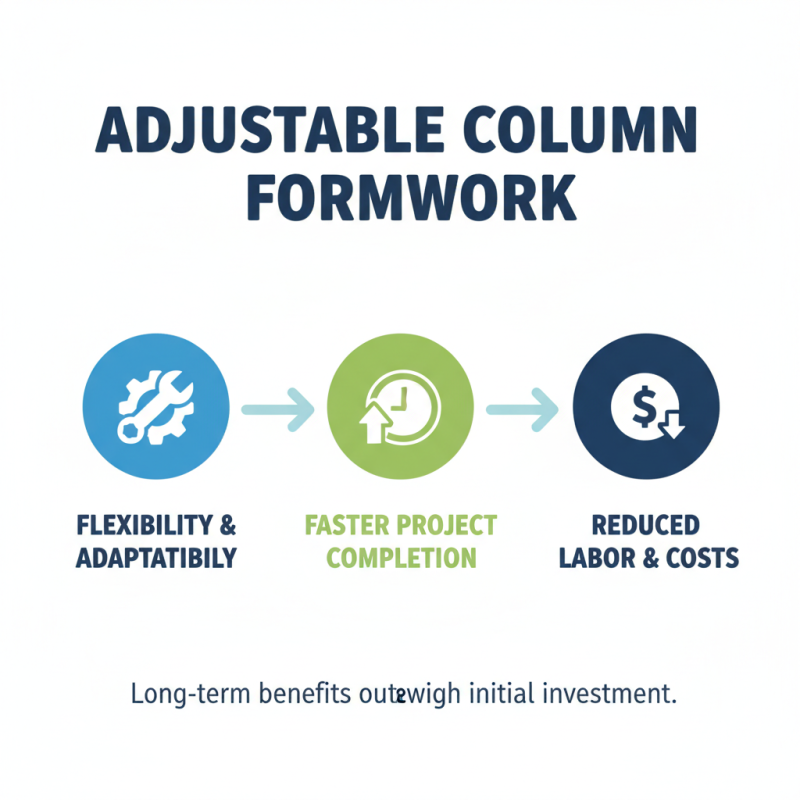
Adjustable column formwork has gained traction in construction due to its flexibility and efficiency. These systems adapt to various project requirements. The initial investment may seem high, but the long-term benefits often outweigh the costs. Using adjustable formwork can reduce labor hours. This directly impacts project timelines, allowing for faster completion.
It's essential to evaluate the return on investment (ROI) when considering adjustable column formwork. An upfront assessment can reveal significant savings in material costs. For example, these systems can be reused in multiple projects. This feature minimizes waste and lowers overall expenses. However, the effectiveness hinges on proper training. Workers must understand the system to maximize its potential.
In some cases, projects might face challenges with the setup. Misalignment can lead to increased costs. It’s crucial to address these issues early on. Adaptability is also vital in construction. Adjustable column formwork must fit various design specifications without compromising structural integrity. A keen focus on details can help avoid costly mistakes. Investing time in planning may yield better outcomes in the end.
Case Studies: Successful Applications of Adjustable Column Formwork Solutions
Adjustable column formwork solutions have transformed many construction sites. These innovations provide flexibility, allowing workers to easily adapt to varying column sizes. A recent project showcased the effectiveness of these solutions. The team faced unexpected changes in design specifications. They quickly adjusted their formwork system to accommodate the new requirements, saving time and resources.
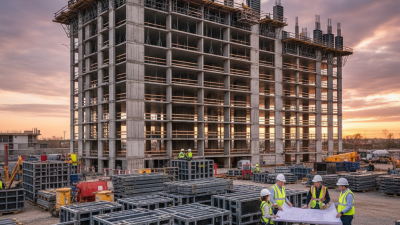
In another case, a high-rise building utilized adjustable columns for its core structure. The construction team needed precise alignments to ensure structural integrity. By employing adjustable formwork, they achieved the desired accuracy. However, the team encountered issues with improper alignment during installation. Reflecting on this, they learned the importance of thorough checks before pouring concrete. Such experiences underline the value of adaptability in complex projects.
Successful applications of adjustable column formwork demonstrate their potential in modern construction. Builders can respond swiftly to challenges, but they must remain vigilant about potential pitfalls. Ongoing training and adherence to best practices are essential. Continuous improvement can lead to better outcomes and fewer mistakes on future projects.