2026 Best Acoustic Metal Panels for Optimal Soundproofing Solutions?
Acoustic Metal Panels have gained popularity due to their ability to enhance soundproofing in various environments. In 2026, finding the best options is crucial for anyone serious about sound control. These panels not only reduce noise but also add an appealing aesthetic to spaces.
When selecting acoustic solutions, factors such as material quality and installation ease are vital. High-performance acoustic metal panels can significantly improve sound clarity. However, there is still a blend of opinions on the best types available. Many users report mixed results based on specific applications. This diversity in experiences highlights the importance of careful selection.
As the market evolves, advancements in technology offer more effective and stylish acoustic solutions. It is essential to consider these innovations when choosing panels for your needs. Understanding the unique properties of different options can lead to better soundproofing. The journey to optimal sound control often requires reflection and adjustment.
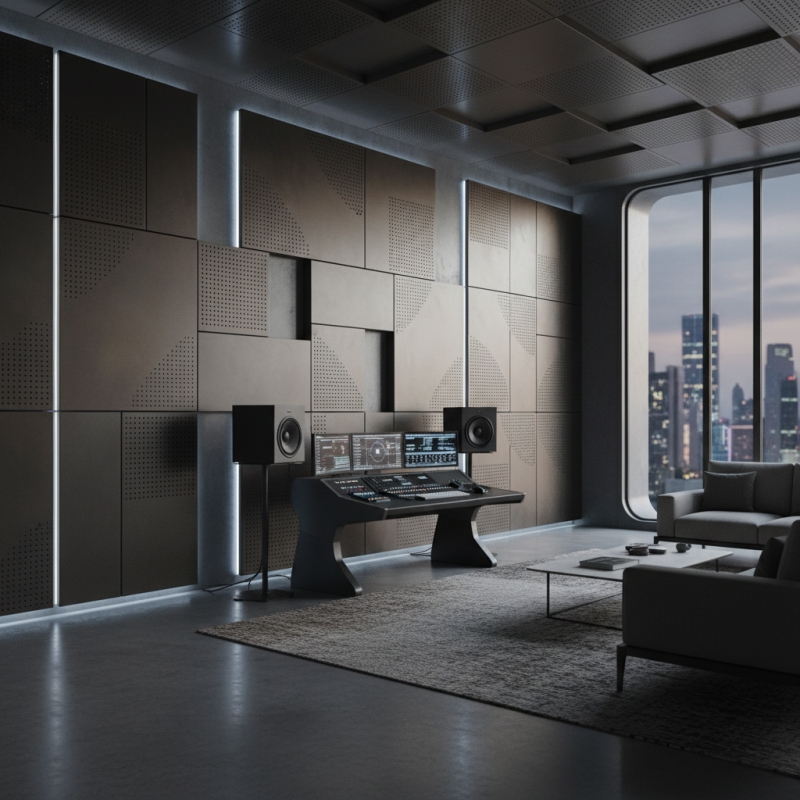
Understanding Acoustic Metal Panels and Their Benefits
Acoustic metal panels serve as a highly effective solution for soundproofing in various environments. These panels are crafted from materials designed to absorb and diffuse sound waves. By doing so, they significantly enhance the acoustic quality of rooms, whether in recording studios, offices, or entertainment venues. Their lightweight yet durable nature allows for easy installation, making them an ideal choice for many applications.
Tips for choosing the right panels include considering the thickness and density of the material. Thicker panels often provide better sound absorption, especially in spaces with high-frequency noise. Additionally, the panel's design and finish can influence both aesthetics and functionality. Look for panels that complement your space while serving their acoustic purpose.
It's essential to evaluate your specific soundproofing needs. Not every environment requires the same level of noise reduction. Take time to assess what works best for your situation. Reflecting on these factors can lead to improved sound management. The right choice can reduce echoes, improve clarity, and create a more pleasant auditory experience.
Key Features to Consider in Acoustic Metal Panels
Acoustic metal panels are essential for enhancing sound quality in spaces. When selecting them, consider several key features that influence performance. Sound absorption coefficient (SAC) is crucial; it measures the material's ability to absorb sound. Higher SAC ratings indicate better soundproofing capabilities. According to a recent industry report, panels with an SAC of 0.75 or above provide significant sound reduction.
Another important aspect is density. Denser materials tend to block more sound, making them ideal for noisy environments. Thickness also plays a role; thicker panels often outperform thinner ones in sound insulation. The ideal thickness typically ranges between 1 to 2 inches for effective soundproofing. Surface texture can enhance acoustic performance as well. Panels with a rough texture scatter sound waves, preventing echo.
Tips: Always assess the specific needs of your space. Conduct sound tests to determine the most effective panel configuration. Additionally, consult with acoustic professionals to align your choices with building requirements. Remember, not all panels perform equally in diverse settings; reflect on your unique acoustic challenges before making a decision.
2026 Best Acoustic Metal Panels for Optimal Soundproofing Solutions
| Panel Type | Thickness | NRC Rating | Dimensions (mm) | Weight (kg) | Price ($) |
| Aluminum Core Panel | 25 mm | 0.90 | 600 x 1200 | 4 | 75 |
| Steel Composite Panel | 20 mm | 0.85 | 600 x 1200 | 5 | 70 |
| Foamed Metal Panel | 30 mm | 0.95 | 600 x 1200 | 6 | 85 |
| Perforated Metal Panel | 15 mm | 0.80 | 600 x 1200 | 3.5 | 60 |
Top Brands for Acoustic Metal Panels in 2026
When selecting acoustic metal panels in 2026, consider the top brands that stand out. Each brand offers unique features aimed at optimal soundproofing. These panels are designed to absorb sound and reduce noise pollution, creating smoother acoustics. Many panels come with a stylish finish. This aesthetic can enhance the overall décor of a room.
Not all acoustic panels perform equally. Some may excel in sound absorption, while others focus on durability. It's essential to evaluate your specific needs. Measure your space to determine the appropriate thickness and size. Keep an eye on the latest advancements in design. More manufacturers are experimenting with eco-friendly materials, which might appeal to environmentally conscious consumers.
Furthermore, customer reviews play a significant role in understanding product reliability. It's insightful to read about real-world experiences. Yet, not every review reflects the product's true performance. Some users may have unrealistic expectations. Take the time to research carefully. This due diligence ensures you select panels that truly meet your soundproofing needs.
Installation Techniques for Optimal Soundproofing
Acoustic metal panels are gaining traction for soundproofing. When it comes to installation, the technique is crucial. Proper techniques can enhance the panels' effectiveness.
Key strategies include choosing the right adhesive. A high-quality glue prevents air gaps. Air gaps can increase sound transmission and reduce efficiency. Using a level when installing panels is essential. An uneven surface can lead to poor sound absorption.
Tips: Measure the area carefully. Ensure you have sufficient panels for coverage. Always allow the adhesive to cure completely before testing soundproofing effectiveness. According to a recent industry report, improper installation can reduce soundproofing by up to 30%.
Another important factor is the spacing between panels. Timely reflection and proper spacing can yield better results. However, many overlook the need for adequate space. Some installers may rush, leading to compromised sound quality. Prioritizing meticulous placement matters.
Comparing Acoustic Metal Panels with Other Soundproofing Solutions
When evaluating acoustic metal panels, it’s important to compare them with other soundproofing solutions. Acoustic metal panels are known for their durability and aesthetic appeal. They can effectively reduce sound reflections in spaces like studios and auditoriums. The unique design of these panels helps in controlling reverberation, which is a key component in soundproofing.
In contrast, traditional materials such as foam and fiberglass have their own advantages. Foam panels are lightweight and easier to install, making them popular among DIY enthusiasts. However, they may not offer the same level of durability as metal panels. Moreover, some users find that foam can degrade over time, requiring replacements.
Another option is mass-loaded vinyl (MLV), which provides excellent sound isolation. MLV is flexible and can be installed in various settings. Yet, its installation may be more complex compared to metal panels. It’s essential to consider each material's pros and cons in relation to specific needs. Ultimately, the choice depends on factors like aesthetics, durability, and the type of soundproofing required.