Top 10 Benefits of Using Bendy Formwork for Construction Projects?
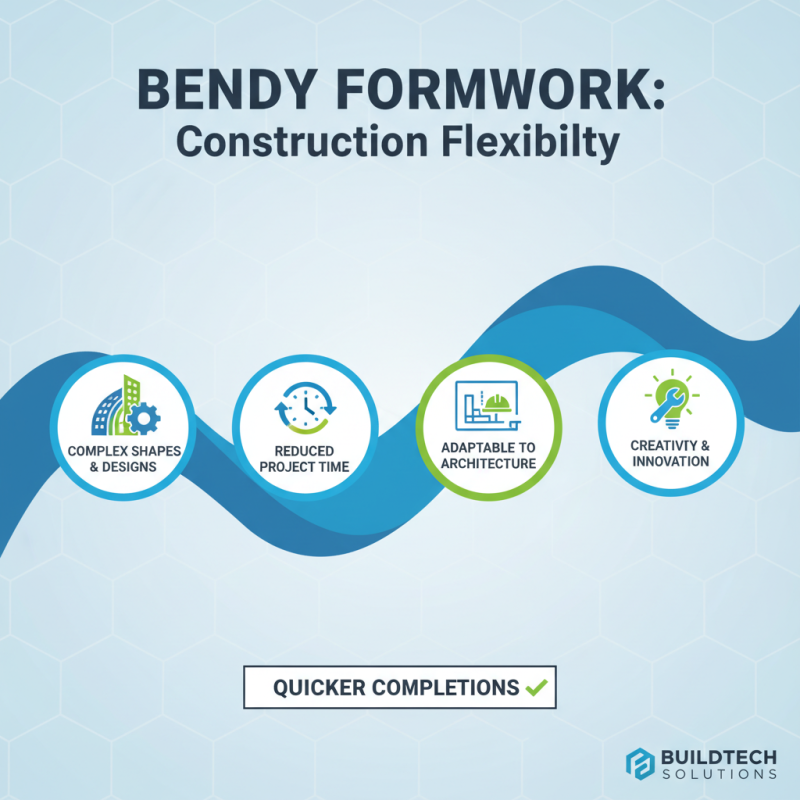
In the ever-evolving landscape of construction, "bendy formwork" is gaining significant traction. This innovative system offers unparalleled benefits for a variety of projects. Its ability to adapt to different shapes and designs promotes creativity while maintaining structural integrity. Builders increasingly rely on bendy formwork to achieve complex structures that were once thought impossible.
Bendy formwork facilitates smooth and seamless concrete pours. This leads to superior finishes and reduces the need for extensive post-construction work. Additionally, it can significantly reduce labor costs and time on site. However, it is essential to acknowledge that mastery of bendy formwork requires practice. Mistakes in setup can lead to setbacks. Learning from these experiences fosters a deeper understanding of the material.
Moreover, safety remains a top priority. Bendy formwork, while versatile, necessitates careful handling and accurate installation to prevent accidents. Construction teams must prioritize training and best practices. This ensures that projects benefit fully from its advantages. Overall, bendy formwork is revolutionizing how we approach construction, offering numerous advantages while challenging teams to adapt and learn.

Advantages of Bendy Formwork in Achieving Complex Architectural Designs
Bendy formwork is revolutionizing the construction industry, especially for complex architectural designs. Its flexibility allows for intricate shapes that traditional formwork cannot accommodate. A report from the International Journal of Advanced Structural Engineering indicates that 30% of construction delays arise from challenges in achieving unique forms. Bendy formwork mitigates this issue, streamlining the design and construction process.
Complex designs often require precise curvature, which standard rigid formwork struggles to provide. According to a survey by the Construction Industry Institute, projects utilizing flexible formwork reduced material waste by up to 20%. This efficiency supports both environmental goals and cost-effectiveness. However, it is crucial to note that implementing flexible forms requires skilled labor and staff training, as improper usage can lead to complications.
The aesthetics of a project can be severely impacted by the choice of formwork. Bendy formwork enables architects to realize their visions without the constraints of conventional materials. However, challenges remain in terms of maintaining structural integrity. Construction teams must conduct rigorous quality checks to ensure the final product meets safety standards. Adjustments in the formwork design can lead to unforeseen issues, demanding a proactive approach from the construction crew.
Top 10 Benefits of Using Bendy Formwork for Construction Projects
| Benefit | Description |
|---|---|
| Flexibility | Bendy formwork can adapt to various shapes and curves, allowing for innovative architectural designs. |
| Cost-Effective | Reduces the need for multiple formwork systems, making it more economical in complex projects. |
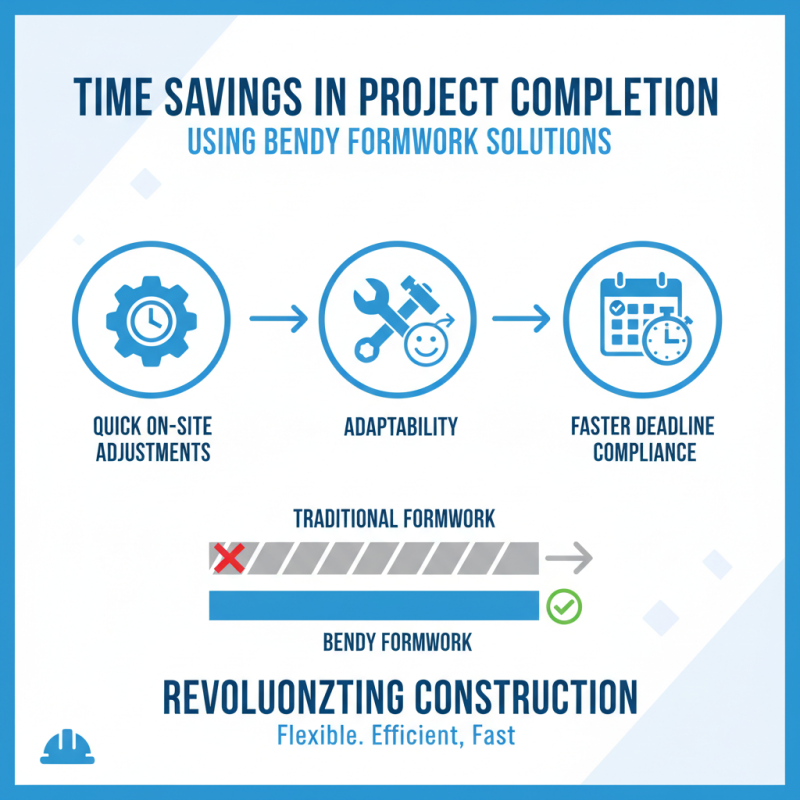
| Time Savings | Faster assembly and disassembly reduce project timelines significantly. |
| Durability | Made from high-quality materials, ensuring long-lasting performance and repeated use. |
| Improved Aesthetics | Enables smoother finishes and creative designs that enhance the look of structures. |
| Safety | Reduced risk of accidents due to simplified formwork handling and installation. |
| Environmental Benefits | Reusable multiple times, contributing to less waste and a lower carbon footprint. |
| Enhanced Structural Integrity | Provides better support during the curing process, leading to stronger final products. |
| Customization | Easily customizable to meet specific project requirements and design features. |
| Quick Setup | Streamlined installation processes facilitate quicker project start times. |
Related Posts
-
What is Flexible Formwork and How Can It Benefit Your Construction Projects
-

2026 Best Bendy Formwork Innovations and Applications Guide?
-
How to Use Bendy Formwork for Effective Concrete Construction?
-
2025 Top Round Column Formwork Techniques and Best Practices Guide
-
What is Cardboard Column Formwork and How is it Used in Construction?
-
10 Best Adjustable Column Formwork Solutions for Your Construction Needs?