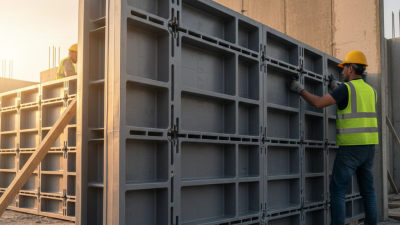
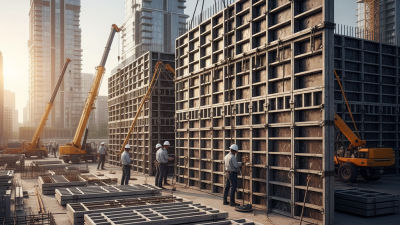
Precast concrete formwork has transformed the construction industry. Builders now recognize its efficiency and durability. This innovative system offers several advantages that streamline the building process.
One significant benefit of precast concrete formwork is its speed. Projects can often be completed in a fraction of the time. Reduced curing time allows for quicker project turnover. Furthermore, the uniform quality of precast components minimizes the risk of imperfections. Builders can rely on consistent results with each batch. The integration of advanced technology in mold design also leads to improved precision.
However, challenges exist. Initial costs may deter some builders from adopting precast concrete formwork. It's essential to weigh long-term savings against upfront expenses. Yet, many professionals in the field agree that the benefits often outweigh the drawbacks. With the right approach, precast concrete formwork can significantly enhance project efficiency and site safety.
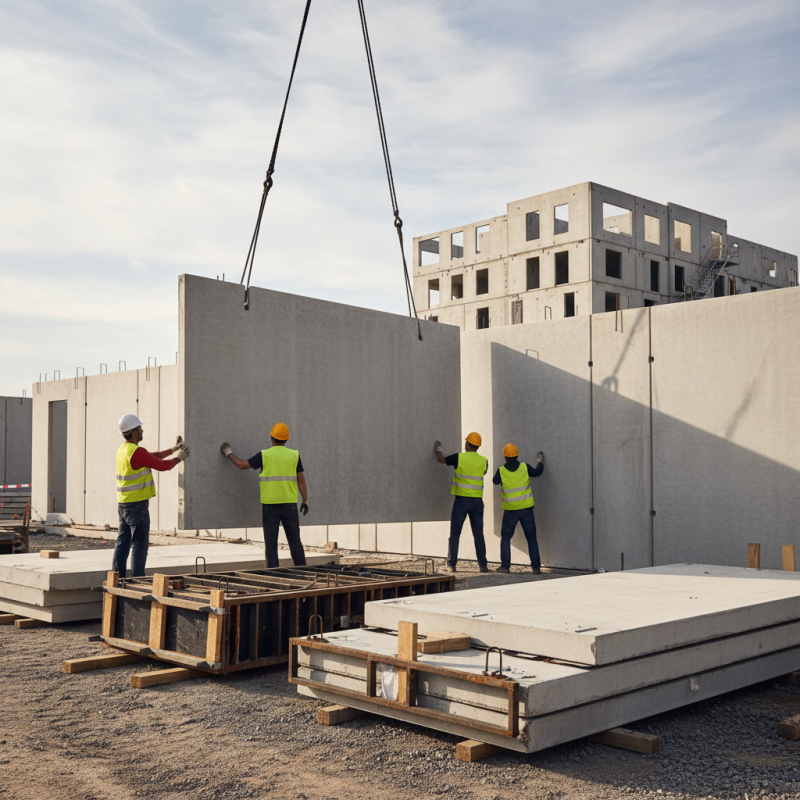
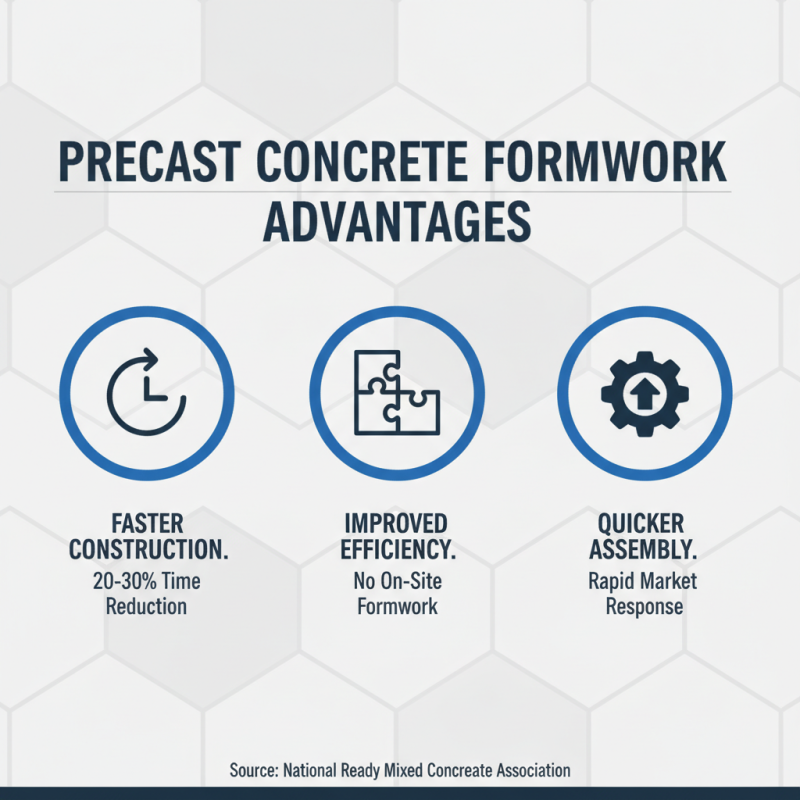
Precast concrete formwork offers significant advantages in construction projects. Using this method can lead to improved efficiency. A study by the National Ready Mixed Concrete Association shows that precast can reduce construction time by 20 to 30 percent. This reduction comes from eliminating on-site form construction. Builders can assemble structures quicker, responding faster to market demands.
Durability is another benefit. Precast components are manufactured in controlled environments. This results in higher quality and consistent strength. According to the Portland Cement Association, structures made with precast concrete often have a longer lifespan compared to traditional methods. They resist weathering, decay, and other environmental factors better, leading to lower maintenance costs.
Cost savings can also be significant. While the upfront investment may seem high, the decrease in labor costs and quicker project turnaround can offset initial expenses. A report from the International Journal of Construction Management states that projects using precast formwork often see savings in overall project budgets. However, it is essential to consider the initial procurement and transportation logistics. These can impact the overall efficiency of the process if not managed well.
Precast concrete formwork offers significant
cost-effectiveness and time efficiency that builders find appealing. In traditional construction methods,
labor and material costs can rise quickly. Precast solutions
streamline this process. Building elements are manufactured off-site in controlled environments. This reduces
waste and optimizes material use. As a result, builders can allocate resources more effectively, driving down
overall expenses.
Additionally, time efficiency is a major advantage.
Precast components can be installed rapidly once on-site, minimizing delays. Construction projects can be
completed faster, which is critical in today’s market. However, builders must ensure proper planning and
coordination. The logistics of transporting large precast elements can be challenging. Mistakes in measurement
or scheduling can lead to costly setbacks. Embracing precast technology requires careful consideration, yet
the benefits often outweigh the risks.
This approach can significantly enhance project timelines and budgets. Quality control in a factory setting
often leads to stronger, more durable products. Builders must
weigh these advantages against potential challenges. Ultimately, the right use of precast concrete can yield
remarkable project outcomes.
Precast concrete structures embody enhanced durability and strength, making them a popular choice among builders. These structures are designed with resilience in mind. Their robust nature allows them to withstand harsh weather conditions. Extreme temperatures, moisture, and even seismic activity are mitigated, ensuring a longer lifespan.
The manufacturing process of precast concrete contributes significantly to its strength. Controlled environments create consistent quality. This leads to fewer defects and reliable performance when installed. Additionally, the use of high-strength materials increases the overall robustness of the components. However, it’s essential to consider potential challenges. Miscalculations in weight and load can affect structural integrity. Careful planning is crucial to avoid such pitfalls.
Builders benefit from the construction speed associated with precast concrete. Larger elements can be produced in advance, reducing on-site labor. Nevertheless, logistics must be considered, as transportation can complicate the timeline. Each project comes with unique demands that require careful evaluation. Addressing these needs ensures that the inherent strengths of precast concrete are fully realized.
Precast concrete formwork offers significant environmental advantages for construction projects. This technology leads to reduced material waste. Off-site manufacturing allows for precise control of the production process. Fewer mistakes mean a smaller carbon footprint during construction. Additionally, precast elements can use recycled materials, promoting sustainability.
Using precast concrete can lower energy consumption. These materials can provide excellent thermal insulation. This means buildings maintain a comfortable temperature, resulting in lower energy bills. Efficient energy use contributes to a sustainable future. It's essential to consider long-term impacts when choosing building materials.
Tips: Always evaluate the environmental impact of your chosen materials. Prioritize renewable resources whenever possible. Engaging in sustainable practices can lead to better project outcomes and enhances your reputation in the industry. A reflective approach can inspire innovation in construction.
Precast concrete formwork has transformed the construction industry. One notable aspect is its impact on safety. With traditional formwork, workers face risks like falls or material mishaps. Precast solutions minimize these dangers by offering ready-made components that are easier to handle. This reduction in manual labor not only ensures better safety but also decreases the likelihood of workplace injuries.
Beyond safety, precast concrete promotes a more efficient workflow. Builders find that using precast systems can streamline the construction process. With faster installation times, projects can progress more smoothly. However, reliance on precast does not eliminate all risks. Contractors must ensure quality control during production. A lapse can lead to structural issues later. It's crucial to partner with reliable manufacturers who prioritize quality and safety. Emphasizing these factors can create a safer and more efficient construction environment for everyone involved.
| Benefit | Description | Impact on Construction | Labor Reduction |
|---|---|---|---|
| Improved Safety | Minimizes onsite risks with controlled environment construction. | Significant reduction in accidents and injuries. | Decreases need for safety training and equipment. |
| Faster Construction | Precast components are manufactured offsite and quickly assembled. | Reduction in overall project timelines. | Less labor needed during peak construction phase. |
| Cost Efficiency | Reduced material and labor costs compared to traditional methods. | Lower overall project costs. | Less workforce required for multiple phases. |
| Quality Control | Factory production allows for strict quality oversight. | Reduces defects and issues in construction. | Fewer reworks and callbacks needed. |
| Environmental Benefits | Less waste generated as forms are reused. | Improved sustainability practices in construction. | Less labor associated with cleanup and waste management. |
| Design Flexibility | Allows for various architectural designs and customization. | Enhances options for builders and architects. | Streamlined processes for complex designs. |
| Weather Independence | Manufactured in controlled environments, minimizing weather delays. | Maintains construction schedules regardless of weather. | Less labor needed for weather-related interruptions. |
| Reduced Site Disruption | Less equipment and materials needed on site. | Minimizes impact on surrounding areas and infrastructure. | Lower labor requirements for onsite management. |
| Long-lasting Durability | Precast concrete offers superior longevity. | Reduces maintenance costs and needs over time. | Less labor required for repairs and inspections. |
| Design Integration | Facilitates the integration of other systems within the design. | Speeds up the overall construction process. | Efficient labor usage in integrating systems. |