Top Benefits of Circular Formwork for Construction in 2025
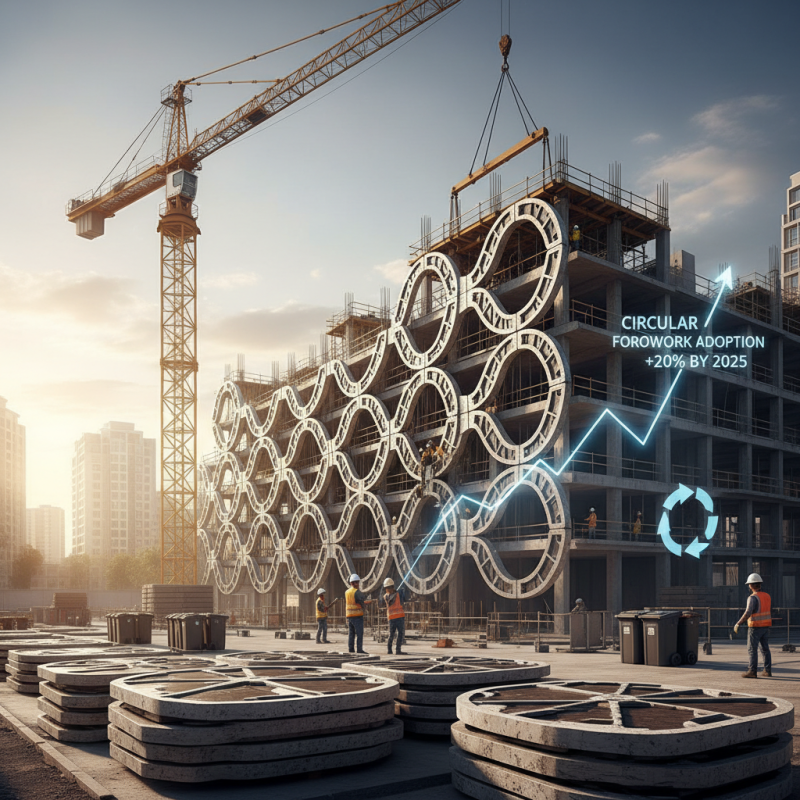
In the rapidly evolving construction industry, the adoption of innovative techniques is paramount for achieving efficiency, sustainability, and cost-effectiveness. As we move towards 2025, one of the emerging trends that is gaining traction is the use of circular formwork. This method offers a unique approach to constructing curved structures and surfaces, allowing for enhanced design flexibility and reduced material waste. The circular formwork system not only facilitates streamlined construction processes but also contributes to environmental sustainability by promoting the reuse of materials.
The benefits of circular formwork extend beyond mere aesthetics, as it plays a crucial role in optimizing labor and time resources during construction projects. By minimizing the need for complex scaffolding and intricate form-building techniques, circular formwork enables quicker assembly and disassembly, which can lead to significant cost savings. In addition, this innovative formwork solution is designed to accommodate a range of architectural visions, empowering builders and architects to push the boundaries of creativity while maintaining structural integrity.
As we anticipate the future of construction in 2025, the significance of incorporating circular formwork into building strategies cannot be overlooked. Its potential to enhance operational efficiencies and support sustainable practices positions it as a key player in the pursuit of modern construction goals. As industries increasingly prioritize eco-friendly solutions, circular formwork stands out as a pivotal advancement that aligns with the principles of a circular economy while catering to the unique needs of contemporary architecture.
Definition and Overview of Circular Formwork in Construction
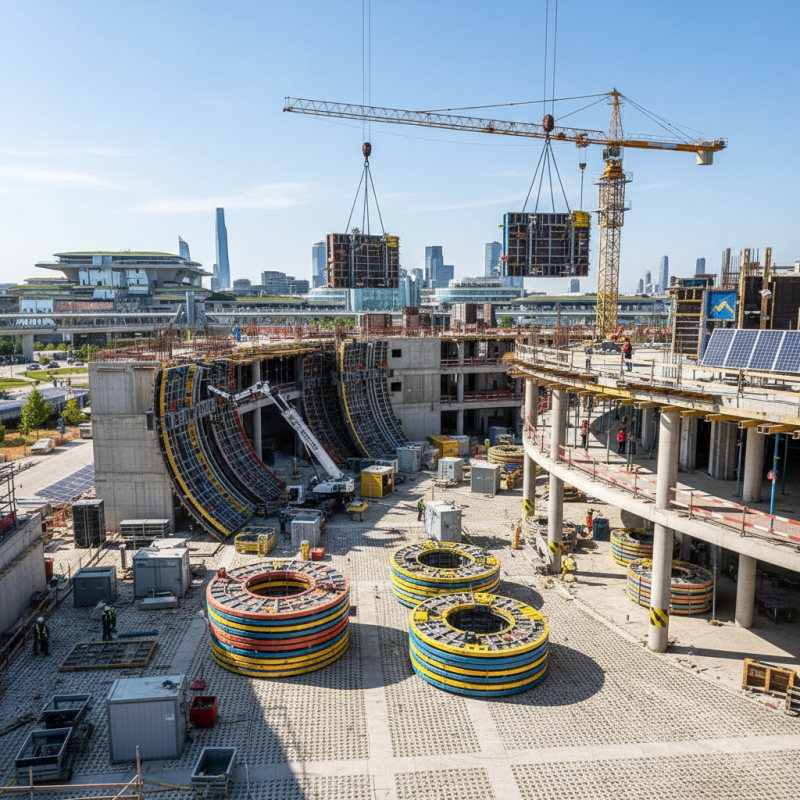
Circular formwork is a specialized construction technique designed to create curved structures with precision and efficiency. This formwork system allows for the seamless shaping of concrete into circular or cylindrical forms, making it ideal for a variety of architectural designs such as domes, tunnels, and water tanks. By utilizing circular formwork, construction professionals can achieve unique aesthetics and improved structural performance, while also minimizing material wastage associated with traditional formwork methods.
One of the key advantages of circular formwork is its adaptability. The system can accommodate a range of radii and complexities, providing architects and engineers with the flexibility to execute innovative designs. Furthermore, the integration of advanced materials and construction technology ensures that the formwork is lightweight yet robust, facilitating faster installation and reducing labor costs. As the construction industry continues to evolve, circular formwork represents a forward-thinking solution that balances design creativity with functional efficiency, positioning itself as a valuable tool in the construction landscape of 2025.
Key Advantages of Using Circular Formwork in Modern Projects
In the construction landscape of 2025, the adoption of circular formwork is poised to redefine efficiency and sustainability in modern projects. One key advantage is the substantial reduction in material waste. According to a recent report by the Global Construction Waste Management Association, conventional formwork methods contribute up to 30% of construction waste. In contrast, circular formwork systems are designed to optimize material usage, potentially decreasing waste by as much as 20%, thus aligning with global sustainability goals.
Moreover, circular formwork offers enhanced structural integrity and faster installation times. The American Society of Civil Engineers highlights that modular construction elements, including circular formwork, can reduce project timelines by approximately 25%. This accelerated pace not only benefits project schedules but also reduces labor costs, as less time is required on-site. The resulting efficiency can translate into savings of up to 15% on overall project budgets, making circular formwork an attractive option for modern contractors looking to streamline operations while maintaining high-quality standards.
Top Benefits of Circular Formwork for Construction in 2025
| Advantage |
Description |
Impact on Project |
Estimated Savings (%) |
| Enhanced Structural Integrity |
Circular formwork provides superior strength and support during the curing process. |
Reduces risk of structural failures, ensuring safety. |
15% |
| Faster Construction Time |
Circular formwork allows for quicker setup and dismantling compared to traditional methods. |
Accelerates project timelines, helping meet deadlines. |
20% |
| Material Efficiency |
Reduces waste by optimizing the amount of material needed for curved structures. |
Less environmental impact and lower material costs. |
10% |
| Design Flexibility |
Allows architects and engineers to create innovative and complex shapes. |
Enhances aesthetic value of buildings while maintaining functionality. |
N/A |
| Labor Efficiency |
Requires fewer laborers for setup compared to conventional formwork. |
Lowers labor costs and increases safety by reducing manpower on site. |
12% |
Environmental Impact and Sustainability Benefits of Circular Formwork
The growing trend of circular formwork within the construction industry by 2025 reflects a significant shift towards sustainable building practices. This innovation emphasizes reusability and resource efficiency, which are essential in reducing the environmental footprint of construction projects. Circular formwork systems are designed to be reused multiple times, minimizing waste and the need for new materials. This not only conserves raw materials but also reduces the energy consumption associated with the production and transportation of traditional formwork solutions.
The environmental benefits of circular formwork extend beyond waste reduction. By implementing these systems, construction activities can substantially lower carbon emissions. The use of durable, recyclable materials means that once the formwork has served its purpose, it can be reprocessed instead of ending up in landfills. Additionally, the adoption of circular formwork encourages new methods of design and construction that prioritize sustainability from the outset. This shift fosters a culture of responsibility among builders and developers, promoting practices that align with global goals for environmental stewardship and sustainability in the built environment.
Cost-Effectiveness of Circular Formwork Compared to Traditional Methods
Circular formwork is rapidly gaining traction in the construction industry due to its cost-effectiveness compared to traditional methods. According to a recent study by the International Journal of Construction Management, circular formwork can reduce material waste by up to 30%, significantly lowering costs associated with purchasing additional materials. This efficiency is further amplified by the speed of installation; projects utilizing circular formwork can see a reduction in labor costs by approximately 20% due to the streamlined processes involved in erecting and dismantling the formwork.
In addition to material savings, circular formwork designs enhance the structural integrity of constructions, leading to fewer maintenance and repair costs over time. The National Association of Home Builders reports that structures built with optimized formwork systems can experience a reduction in lifecycle costs by up to 15%. As construction projects often encounter unpredictable expenses, the predictability of costs associated with circular formwork presents a compelling reason for its adoption. As the industry moves towards more sustainable and economical practices, the shift to circular formwork is poised to transform cost-efficiency in construction methodologies by 2025 and beyond.
Cost-Effectiveness of Circular Formwork Compared to Traditional Methods (2025)
Future Trends and Innovations in Circular Formwork for 2025 and Beyond
As the construction industry moves towards sustainable practices in 2025 and beyond, circular formwork is emerging as a pivotal innovation. Designed to optimize material usage and construction efficiency, circular formwork not only minimizes waste but also contributes to a more sustainable building process. According to a recent report by the International Construction Research Institute, the adoption of circular formwork can reduce overall construction waste by up to 30%, aligning with global sustainability goals.
Future trends indicate that advancements in materials, such as lightweight composites and reusable systems, will further enhance the effectiveness of circular formwork. These innovations not only improve the structural integrity of builds but also facilitate faster construction timelines. A study from the Global Construction Materials Council highlights that projects utilizing circular formwork can achieve construction speeds up to 20% faster than traditional methods, making it an attractive option for contractors looking to optimize performance amidst tight schedules.
**Tip:** When considering circular formwork for your next project, evaluate the lifecycle costs versus traditional methods. The initial investment may be higher, but the long-term savings on material and labor can be substantial.
**Tip:** Stay updated on emerging technologies in circular formwork, such as automation and AI integration, which have the potential to revolutionize how formwork is designed and utilized in the construction process. By being proactive, you can position your projects at the forefront of industry developments.