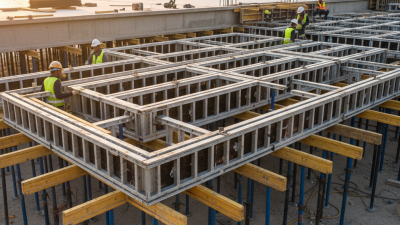
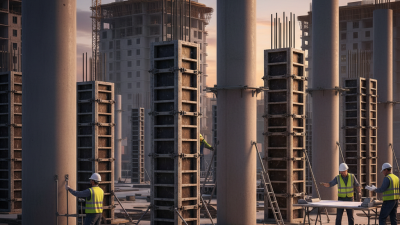
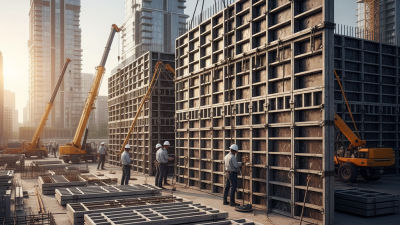
Aluminium concrete formwork is revolutionizing the construction industry. Its lightweight design makes it easy to handle. This system is gaining traction due to its significant advantages. Reports indicate that 60% of construction professionals favor it for efficiency. A major factor includes time-saving. Traditional methods often lead to delays, but aluminium forms enhance project timelines.
At the upcoming Canton Fair in 2026, the demand for aluminium concrete formwork will be evident. Exhibitors will showcase their innovations. Buyers will benefit from AI tools to find high-quality suppliers. Yet, despite these advances, some may question its durability compared to conventional materials. This debate reflects the industry's ongoing challenge.
As construction trends shift, decision-makers must evaluate materials carefully. The longevity of aluminium concrete formwork versus traditional methods continues to spark conversation. Attendees will explore these topics, fostering a deeper understanding of this technology. The advantages are clear, but it invites reflection on potential drawbacks.
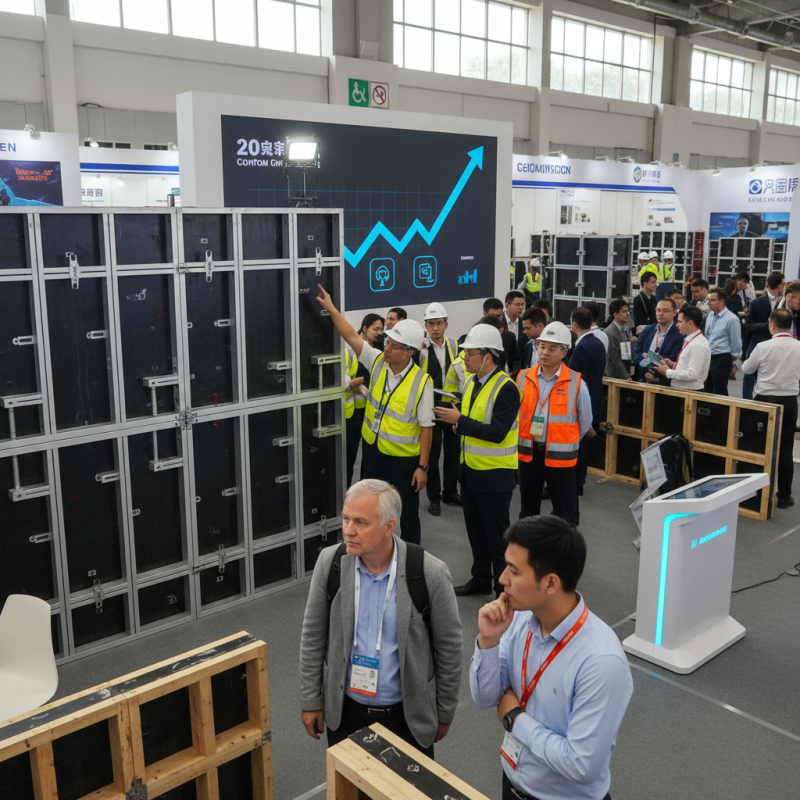
Aluminium concrete formwork is gaining attention at the Canton Fair. This innovative technology streamlines the construction process. With its lightweight nature, aluminium formwork is easy to handle. Workers can assemble it quickly, saving time and reducing labor costs. Its durable structure leads to fewer repairs and replacements over time.
One notable aspect is the smooth finish it provides. This results in less finishing work after concrete pouring. However, while aluminium formwork has benefits, it requires careful handling. Misalignment can occur if not installed correctly. Training for workers is essential to avoid potential mishaps.
The technology also promotes sustainability. Aluminium is recyclable, reducing waste in construction. Yet, the initial investment can be high for some builders. They need to weigh the long-term savings against upfront costs. Embracing this technology is a step forward, but it comes with its challenges.
Aluminium concrete formwork offers significant cost efficiency and durability, particularly evident at trade shows like the Canton Fair. Recent reports indicate that using aluminium formwork can reduce construction costs by up to 30%. This reduction is primarily due to its lightweight nature, which simplifies transportation and handling. Builders can save time on installation, leading to shorter project timelines.
Moreover, aluminium formwork systems have a lifespan of over 15 years with proper maintenance. This longevity boosts their appeal in the construction industry. While the initial investment might seem higher, the long-term savings are undeniable. A study published by the International Journal of Construction provides data showing that projects utilizing aluminium formwork experience fewer delays.
Despite these benefits, there are challenges. Not all construction teams are familiar with aluminium systems. This can lead to inefficient usage or potential wastage. It's crucial for companies to invest in proper training for their crews. Investing in education now can enhance project outcomes later. In an industry that values speed and efficiency, ensuring teams are well-versed in these systems is essential.
| Benefit | Description | Cost Efficiency | Durability |
|---|---|---|---|
| Lightweight | Easier handling and faster installation. | Reduces labor costs. | Resistant to corrosion and wear. |
| Reusability | Can be reused multiple times for various projects. | Low cost per use. | Maintains structural integrity over time. |
| Speed of Construction | Accelerates construction timelines. | Minimizes overall project duration. | Ensures fewer delays due to weather. |
| Precision | Offers high accuracy in dimensions. | Reduces waste and costs associated with errors. | Generates a consistent surface finish. |
| Eco-Friendly | Recycled materials used in manufacturing. | Lower environmental impact. | Sustainable alternative to traditional materials. |
| Ease of Transport | Compact design allows easy transportation. | Reduces logistics costs. | Strong construction minimizes damage during transit. |
| Low Maintenance | Requires minimal upkeep compared to wood formwork. | Saves money on maintenance costs. | Durable material withstands harsh conditions. |
| Thermal Performance | Provides good insulation properties. | Energy savings in temperature control. | Stable performance throughout seasons. |
| Customizability | Easily tailored to project requirements. | Allows flexibility in design. | Resilient builds for various configurations. |
| Safety | Minimizes hazards during installation. | Lowers accident-related costs. | Material stability enhances overall site safety. |
Aluminium formwork has become a popular choice in construction due to its efficiency. One key advantage is the time-saving aspect it offers. Traditional formwork methods can be time-consuming. They often require extensive labor to set up and dismantle. In contrast, aluminium formwork is lightweight and easy to handle. This design reduces the time on-site significantly.
Another point to consider is the speed of concrete curing. Aluminium formwork allows for faster concrete strength gain. This rapid curing process means quicker project turnover. However, some might not maximize this benefit entirely. It requires proper planning and skilled labor to handle. Mistakes in the execution can lead to delays, countering its advantages.
To enhance efficiency, teams should invest in training. Workers need to understand how to use the system effectively. The benefits can be best realized when everyone is on the same page. Moreover, having a solid logistics plan is crucial. Delays in material delivery can waste the time saved by using aluminium formwork.
Aluminium concrete formwork offers significant environmental advantages. Its lightweight nature reduces transportation emissions. This is crucial for sustainable construction practices. Using aluminium means less energy consumed during production compared to traditional materials. It’s a step towards lowering the carbon footprint.
Another benefit is recyclability. Aluminium can be reused multiple times with minimal degradation. This reduces waste in landfills. However, not all regions have efficient recycling systems in place. This inconsistency raises questions about accessibility. It highlights the need for better infrastructure around recycling processes.
Moreover, the use of aluminium formwork minimizes the need for chemical treatments. Traditional materials often require harmful chemicals, which can leach into the environment. Yet, the awareness of this issue is still not widespread among builders. Efforts should focus on educating stakeholders about these benefits. The journey toward eco-friendly construction is ongoing, and awareness is key.
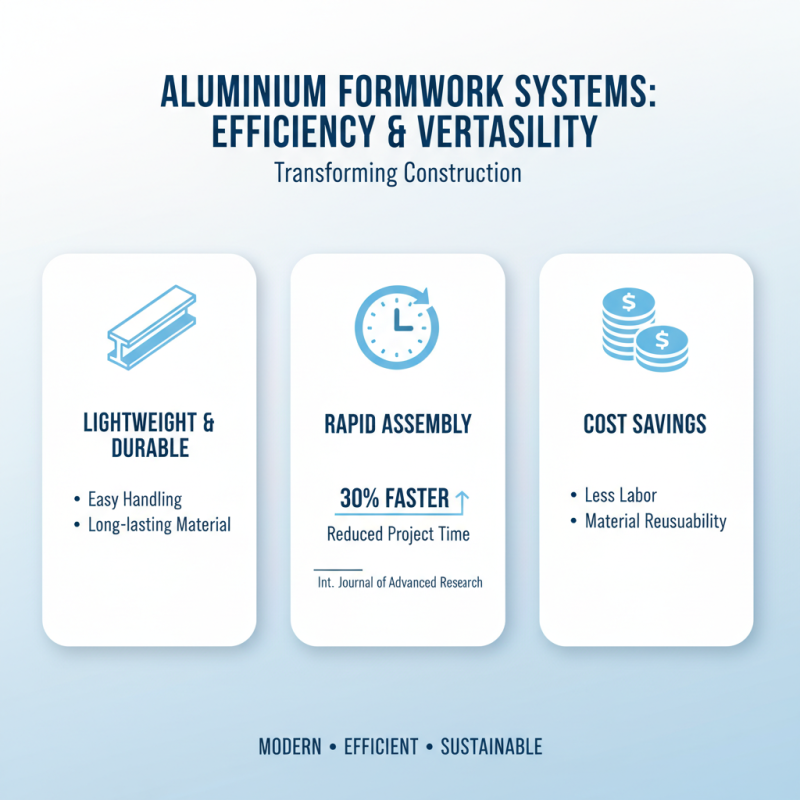
Aluminium formwork systems are gaining traction in the construction industry. They are lightweight yet durable. This durability allows for quick assembly and disassembly. A report from the International Journal of Advanced Research indicates that aluminium formwork can reduce construction time by up to 30%. Such efficiency can lead to significant cost savings for projects.
In applications across residential and commercial buildings, aluminium formwork excels. It adapts to various architectural designs. This versatility ensures that builders can meet diverse client needs. According to an article by the Construction Industry Institute, projects using aluminium formwork experience fewer delays due to adverse weather conditions. This is crucial for maintaining schedules.
However, the initial investment in aluminium formwork can be high. This poses challenges for smaller construction firms. They may struggle to justify the cost. In addition, while forms are reusable, they require careful handling to avoid damage. Even minor dents can affect their usability. Industry statistics show that damaged forms can lead to an increased waste rate, which is something to reflect on.